 how-to
How to Stop Car Paint Fading in the California Sun
Last Updated: October 24, 2026
Quick Summary
Car paint fading in the California sun happens because UV rays break down the clear coat and sustained heat accelerates oxidation, leaving the color layer exposed and chalky. Visible damage typically appears after a few years of continuous outdoor exposure, and clear coat failure often shows up within five to ten years without protection.
- UV light breaks chemical bonds in the clear coat, thinning the layer that protects your color.
- A quality wax or sealant creates a sacrificial barrier that absorbs UV damage instead of your clear coat.
- Red pigments are the least UV-stable and shift toward pink or orange faster than other colors.
- Polishing only works when damage is limited to surface oxidation and light swirl marks.
- Washing with dish soap strips protective wax and leaves paint exposed to direct UV.
Table of Contents
- Why California Sun Fades Car Paint
- How to Protect Car Paint from UV Rays
- How Long Does Sun Damage Car Paint Take?
- Which Car Colors Fade Fastest in the Sun
- How to Restore Faded Car Paint
- Mistakes That Make Car Paint Fading Worse
- Schedule a Paint Inspection at Rubio's Custom Repair
- Frequently Asked Questions
Why California Sun Fades Car Paint
Car paint fading from sun damage is the number one cause of premature aging on a vehicle's finish. If you have ever wondered why car paint fades in California sun, the answer comes down to two relentless forces: ultraviolet radiation and sustained heat. At Rubio's Custom Repair inc, we have spent over 30 years repairing and repainting vehicles across San Joaquin County, and sun-baked paint is one of the most common problems we see.
The damage starts the moment your car sits outside. It is slow, invisible at first, and nearly impossible to reverse once it sets in. Below, we break down exactly what the sun does to your paint, how long it takes, and what you can do to stop it.
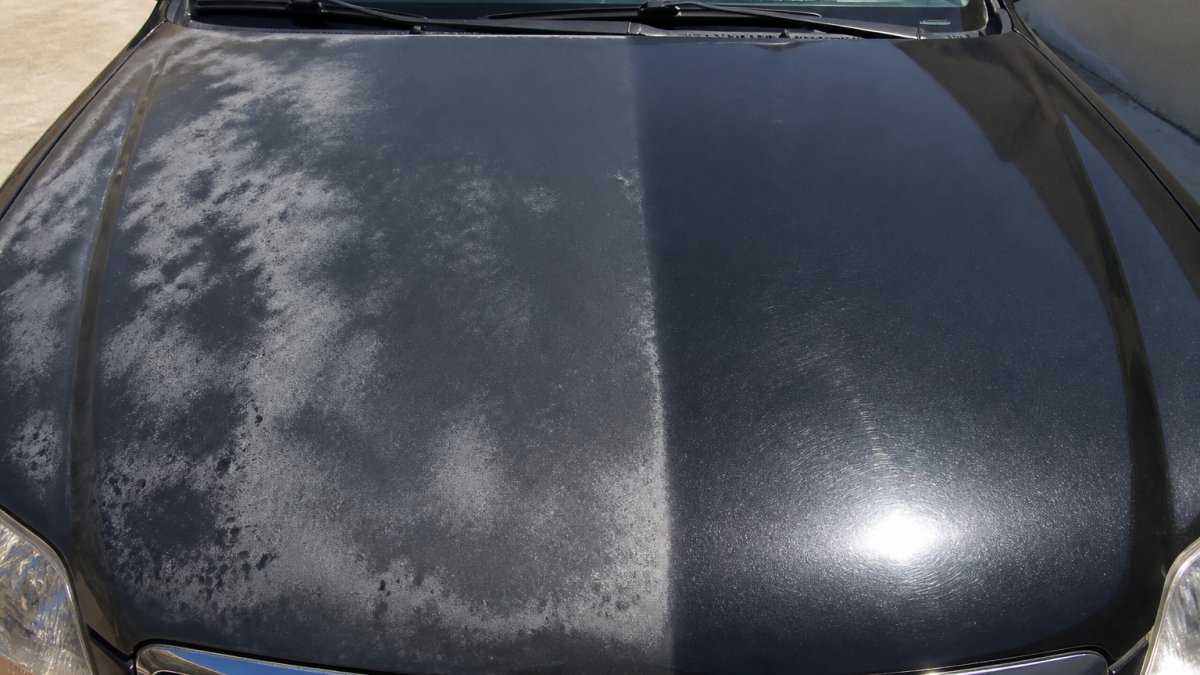
UV Rays Break Down the Clear Coat
Clear coat is the transparent top layer that protects your paint's color and adds gloss. It is your car's first line of defense, and UV rays are its worst enemy.
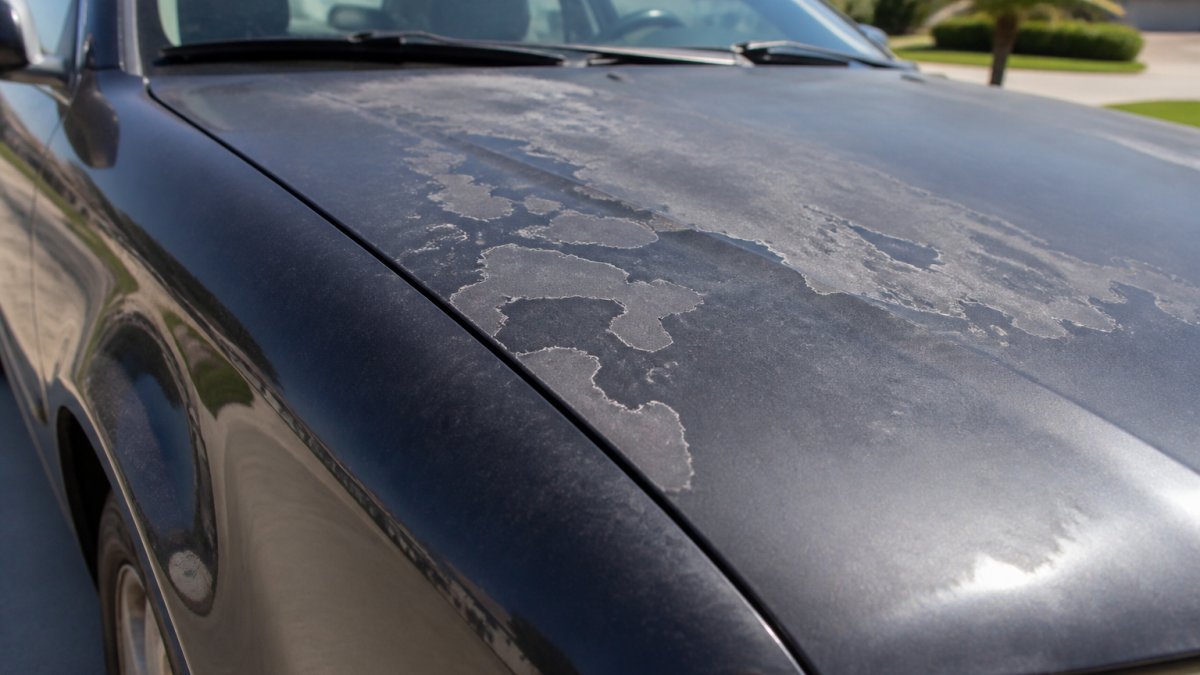
Ultraviolet light carries enough energy to break the chemical bonds inside the clear coat. Over time, this causes the resin to degrade and the protective layer to thin out. Once the clear coat fails, the color layer underneath is exposed and begins to fade. You will notice a chalky, dull look first, then a rough texture, and eventually peeling.
Heat and Oxidation Speed Up the Damage
Heat multiplies the problem. A parked car in direct summer sun can reach interior and surface temperatures far above the outside air, and that sustained heat accelerates the breakdown of paint resins.
Oxidation is the chemical side of the same coin. Oxygen reacts with the paint molecules, and the combination of heat and UV exposure speeds that reaction up. The result is a finish that loses its shine and starts looking flat and faded.
How to Protect Car Paint from UV Rays
Protection is far cheaper than restoration. The good news is that a handful of consistent habits can add years to your finish. Here is what we recommend to every customer who parks outside.
- Park in shade or a garage whenever possible, especially during peak midday sun.
- Wash and wax regularly. A quality wax or sealant creates a sacrificial barrier that absorbs UV damage instead of your clear coat.
- Use a UV-resistant car cover for long-term outdoor parking.
- Apply a ceramic coating or paint protection film for a more durable shield.
- Rinse off bird droppings and tree sap quickly. These are acidic and eat into the finish.
- Avoid washing in direct sun, which can leave water spots and dry the surface too fast.
A common mistake is skipping wax because "the car looks fine." By the time fading is visible, the clear coat is already compromised.
If you want to know whether a professional coating is worth the investment, read our guide on whether professional car paint protection is worth it.
How Long Does Sun Damage Car Paint Take?
Visible sun damage typically starts to appear after a few years of continuous outdoor exposure, though the exact timeline depends on your paint, climate, and care routine. Clear coat failure often shows up within five to ten years on a car that lives outside without protection.
Several factors speed this up:
- Daily direct sun exposure with no shade
- No wax or sealant protection
- Dark paint colors that absorb more heat
- Frequent parking on reflective surfaces like concrete
- Neglecting small chips and scratches where moisture gets in
In short, a garaged, waxed car may look new for a decade. A neglected car parked in the open can start dulling within a few short years.
Which Car Colors Fade Fastest in the Sun
All paint fades, but some colors show it sooner. Here is how the major color groups stack up.
| Color Group | Fade Risk | Why |
|---|---|---|
| Red | Highest | Red pigments are the least UV-stable and shift toward pink or orange |
| Yellow and bright hues | High | Organic pigments break down quickly under UV |
| Black and dark colors | Moderate | Absorb more heat, which speeds oxidation |
| White | Lower | Reflects light but shows yellowing and dirt |
| Silver and gray | Lowest | Metallic pigments resist UV breakdown well |
Red is the classic example. It looks brilliant when new and turns chalky faster than almost any other color. If you own a red or yellow vehicle, protection matters even more.
How to Restore Faded Car Paint
Restoration depends on how deep the damage goes. If only the top of the clear coat is oxidized, you can often bring the shine back. If the clear coat has failed or the color layer is gone, no amount of polishing will fix it.
Start by assessing the surface:
- Does the paint feel rough or chalky to the touch?
- Does water bead up, or does it soak in flat?
- Is the dullness uniform, or are there patches and peeling?
- Can you see the color layer under the clear coat?
If the clear coat is intact but dull, a polish and seal may restore gloss. If it is peeling or the color has faded deep, you are looking at a repaint.
When Polishing Works and When You Need a Repaint
Polishing works when the damage is limited to surface oxidation and light swirl marks. A machine polish removes the dead layer and reveals healthy paint underneath.
A repaint is the right call when the clear coat is failing, peeling, or the base color has faded beyond what polishing can recover. In those cases, polishing only buys a few weeks before the damage returns.
If you are deciding between doing it yourself and hiring a pro, our breakdown of DIY vs professional paint correction will help. And if a repaint is on the table, here is what to expect from professional paint restoration services, plus an honest look at whether professional paint restoration is worth it.
Mistakes That Make Car Paint Fading Worse
Some habits actually speed up the damage. Watch out for these.
- Washing with dish soap. It strips protective wax and leaves paint exposed.
- Skipping wax for months. No barrier means UV hits the clear coat directly.
- Parking under trees. Sap and droppings are acidic and etch the finish.
- Ignoring small chips. Exposed metal and edges let moisture and UV in.
- Using harsh towels or dry wiping. This adds scratches that trap dirt and moisture.
After any repair, proper care keeps fading from returning. Our 7-step guide to maintaining car paint after repair covers the routine we recommend.
Schedule a Paint Inspection at Rubio's Custom Repair
Sun damage is easy to prevent and expensive to ignore. The earlier you catch fading, the more options you have. A quick inspection tells you whether a polish, a coating, or a repaint is the right move.
At Rubio's Custom Repair inc, our family-owned team brings over 30 years of experience to every job. We use premium PPG products and original parts for most repairs, and every job is backed by our guarantee. If you are dealing with insurance, we work directly with your provider to keep the process simple.
Get started with Rubio's Custom Repair inc and protect your finish before the sun does more damage. Schedule your paint inspection today.
Frequently Asked Questions
Why does car paint fade in the sun?
Sunlight carries ultraviolet radiation that breaks down the clear coat, the thin protective layer over your color coat. Once that layer erodes, UV light attacks the pigment directly, and the paint turns chalky, dull, or lighter in patches. Heat adds to the problem by speeding up oxidation, and California's long stretches of intense sun exposure give that damage more time to build. Keeping a healthy clear coat is the single biggest factor in preventing car paint fading.
Can faded car paint be restored?
In many cases, yes. If the clear coat is still intact and the damage is mostly surface oxidation, a machine polish and compound can bring back gloss and color. Once the clear coat has failed, though, polishing only buys time, and a proper repaint is the lasting fix. A shop can check film thickness and tell you which situation you are in before you spend money on products that will not help.
Does waxing protect car paint from UV damage?
Wax helps, but it is a short-term layer. A quality wax or sealant blocks some UV exposure and slows oxidation, yet it wears off in weeks under strong sun. For real protection, pair regular waxing with parking in shade or a garage and consider a ceramic coating or paint protection film, which hold up far longer against UV rays and heat.
Is paint protection film worth it for sun protection?
For a vehicle that sits outside most days, paint protection film is a practical investment. It is a clear urethane layer that blocks UV radiation and shields the clear coat from heat and minor road debris. It costs more up front than wax, but it lasts years instead of weeks, which makes it cheaper over time than repeated correction work on sun-damaged paint.