 blog
blog
Is Professional Car Paint Protection Worth It?
Table of Contents
- What Professional Car Paint Protection Actually Does
- Paint Protection Film Pros and Cons
- Ceramic Coating vs. Paint Protection Film
- How Long Does Paint Protection Film Last
- Paint Protection Film Cost and Value
- Dealer-Applied vs. Aftermarket Protection
- Does Paint Protection Increase Resale Value
- Who Should Invest in Professional Paint Protection
- Frequently Asked Questions
Last Updated: October 10, 2026
What Professional Car Paint Protection Actually Does
Professional car paint protection creates a barrier between your vehicle's clear coat and the elements. This barrier shields against stone chips, UV rays, road salt, bird droppings, tree sap, and oxidation that damage exposed paint over time.
Paint protection film and ceramic coatings both deliver measurable protection, but they work differently and cost different amounts. The real question is whether the investment makes sense for your specific situation.
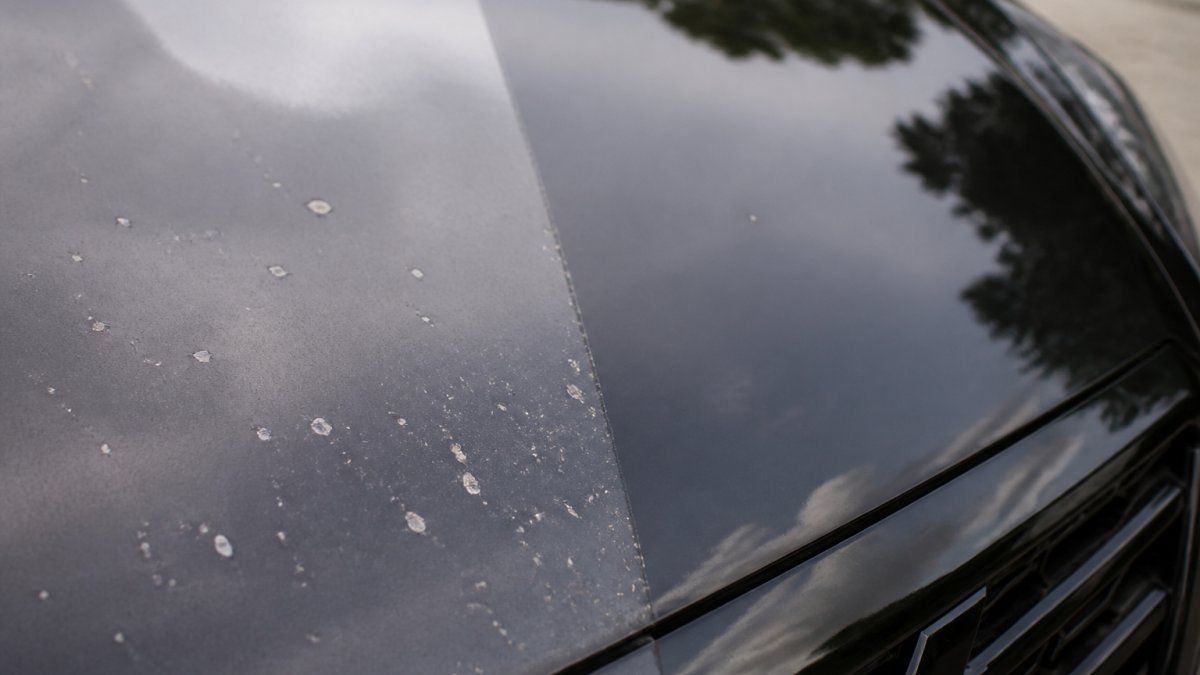
Protection prevents stone chips, blocks UV damage, stops chemical etching from bird droppings and tree sap, and reduces swirl marks. It won't fix existing damage, restore faded paint, or eliminate the need for regular washing, it's preventive, not restorative.
Paint Protection Film Pros and Cons
Paint protection film (PPF) is a clear urethane layer applied to vulnerable areas like the hood, fenders, bumper, mirrors, and door edges. It's thick enough to absorb impact from road debris.
Pros of paint protection film:
- Absorbs stone chip impact without visible damage
- Protects high-impact zones effectively
- Self-healing properties on some films (minor scratches disappear with heat)
- Can be removed without damaging original paint
- Provides visible, tactile protection you can feel confident in
Cons of paint protection film:
- Requires professional installation for proper results
- Can yellow or become cloudy over time if lower quality
- Visible seams where film ends on curved surfaces
- More expensive upfront than ceramic coatings
- Installation imperfections (bubbles, dust) are permanent
- Requires skilled removal to avoid paint damage
Installation quality determines the result, poor installation leaves visible edges, dust, or uneven coverage.
Ceramic Coating vs. Paint Protection Film
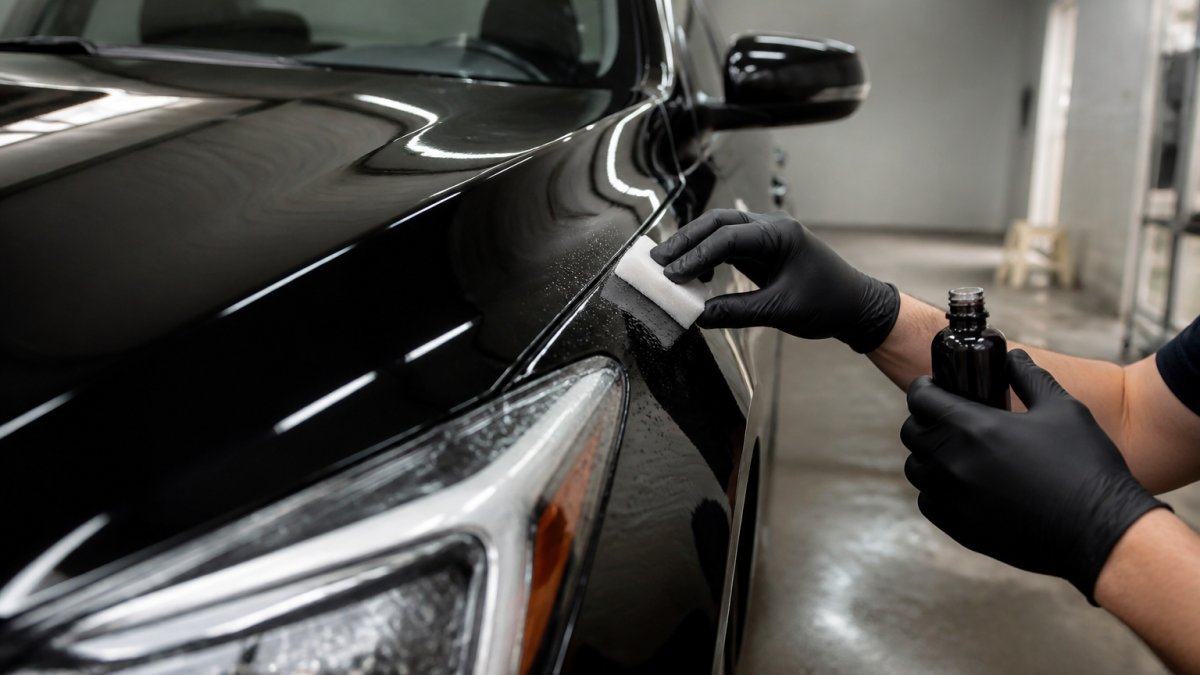
Ceramic coatings are liquid nano-coatings that bond to your clear coat, creating a hard protective layer, chemical shields rather than physical barriers.
Ceramic coatings provide glossy, hydrophobic finishes, protect entire surfaces uniformly, last 2-5 years, and cost less per square foot. PPF absorbs physical impact, protects high-damage zones completely, lasts 7-10 years, and handles aggressive driving better.
Many vehicle owners use both: ceramic coating on the entire car for shine and chemical protection, plus PPF on the hood and front bumper for impact protection. This combination covers both impact and environmental damage.
| Protection Type | Cost Range | Durability | Best For | Maintenance |
|---|---|---|---|---|
| Ceramic Coating | $500-$2,000 | 2-5 years | Full-vehicle shine and UV protection | Regular washing, quarterly treatments |
| Paint Protection Film | $1,500-$4,000 | 7-10 years | High-impact zones (hood, bumper, fenders) | Occasional cleaning, avoid pressure washers |
| Both Combined | $2,500-$6,000 | 7-10 years (film), 2-5 years (coating) | Maximum protection and appearance | Regular maintenance for coating |
How Long Does Paint Protection Film Last
Quality paint protection film lasts 7-10 years under normal driving conditions; budget films deteriorate faster. Durability depends on film quality, installation quality, driving conditions, maintenance, and climate exposure.
The film doesn't thin or disappear; instead, it yellows, becomes cloudy, or loses adhesion at the edges. Once degradation starts, removal becomes necessary.
Ceramic coatings, by comparison, last only 2-5 years because they're thinner and erode gradually with washing and weather exposure. This is why many owners reapply ceramic coating every 2-3 years to maintain protection.
Paint Protection Film Cost and Value
Typical installation costs by coverage area:
- Front-end partial coverage (hood, bumper, fenders, mirrors): $1,500-$2,500 for most sedans and SUVs
- Full front-end plus door edges: $2,000-$3,500
- Full-vehicle coverage: $3,500-$6,000+ depending on vehicle complexity
These ranges assume professional installation with mid-to-premium film. Budget films often yellow or cloud within 3-5 years, requiring removal and reapplication.
Cost factors: Vehicle size and complexity, paint condition (correction adds $300-$800), film quality and warranty, local labor rates ($100-$250/hour), and additional services like ceramic coating ($300-$600).
The total-cost-of-ownership calculation:
To determine whether PPF is worth the cost, compare the installation price against what you'd spend on repairs without protection:
- Single stone chip repair (touch-up or small area): $150-$300
- Deep chip or scratch requiring repainting (quarter-panel or larger): $400-$800
- Multiple chips across hood and bumper (typical highway driver after 2-3 years): $800-$1,500 in cumulative repairs
- Severe fading or oxidation (unprotected vehicle in sunny climate after 5+ years): $1,000-$2,500 for professional paint correction or repainting
Highway drivers averaging 15,000+ miles annually expect 3-5 stone chips per year. Over 7 years, that's 21-35 chips costing $4,200-$7,000 in repairs, exceeding full front-end PPF protection costs.
Protected vehicles: Regular washing ($15-$30), annual inspection ($0-$100), and film removal/replacement after 7-10 years ($1,500-$3,000). Unprotected vehicles: Regular washing, quarterly waxing ($100-$300), paint correction every 2-3 years ($300-$800), and spot repairs ($150-$800 per incident).
Real-world ROI scenarios:
Scenario 1: Highway commuter, 7-year ownership
- PPF cost: $2,000 (front-end partial)
- Maintenance: $0 (minimal)
- Total: $2,000
- Unprotected equivalent: $1,500 in repairs + $1,200 in waxing/correction = $2,700
- PPF saves: $700
Scenario 2: City driver, 3-year ownership
- PPF cost: $2,000 (front-end partial)
- Maintenance: $0
- Total: $2,000
- Unprotected equivalent: $300 in repairs + $300 in waxing = $600
- PPF costs: $1,400 more (not cost-effective for short ownership)
Scenario 3: Outdoor-parked vehicle, sunny climate, 10-year ownership
- PPF cost: $2,500 (front-end) + $500 ceramic coating = $3,000
- Maintenance: $0
- Total: $3,000
- Unprotected equivalent: $2,000 in repairs + $2,000 in waxing/correction + $1,500 in fading repair = $5,500
- PPF saves: $2,500
The value of PPF depends directly on your mileage, driving environment, and ownership duration. If you keep your vehicle 7+ years and drive highways regularly or park outdoors in a sunny climate, protection typically pays for itself. If you trade vehicles every 3 years or drive primarily in low-speed urban conditions, the upfront cost may exceed the benefit.
Dealer-Applied vs. Aftermarket Protection
Dealerships offer paint protection packages at point of sale with convenience and warranty but higher pricing. Independent shops offer lower pricing, customization, and negotiable terms. The protection is identical if both use the same brand; the difference is pricing and warranty.
Does Paint Protection Increase Resale Value
Paint protection preserves existing value rather than increasing it. A protected vehicle maintains original paint condition, preserving appeal to future buyers. Flawless paint signals careful ownership; chips and fading raise maintenance concerns. A well-maintained, protected vehicle sells faster and commands higher prices by preventing depreciation.
Protection shows measurable ROI only if you keep the vehicle 7+ years; the paint condition difference becomes obvious and valuable to the next owner.
Who Should Invest in Professional Paint Protection
Decision matrix: Is paint protection worth it for you?
| Your Situation | Recommendation | Reasoning |
|---|---|---|
| Highway commute 15,000+ miles/year | Highly recommended | Stone chips are inevitable; PPF on front-end pays for itself in 5-7 years |
| City driving, under 10,000 miles/year | Optional | Low chip risk; ceramic coating alone may suffice if appearance matters |
| Outdoor parking, sunny climate | Highly recommended | UV damage and oxidation accelerate; protection preserves paint value |
| Garage parking most of the time | Optional | Minimal UV and environmental exposure; protection less critical |
| Ownership plan: 3 years or less | Not recommended | Upfront cost unlikely to recoup in resale value or repair savings |
| Ownership plan: 7+ years | Recommended | Long-term ownership maximizes ROI; protection prevents cumulative damage |
| Vehicle value $50,000+ | Highly recommended | Protecting high-value paint justifies protection cost; resale appeal matters more |
| Vehicle value under $15,000 | Optional | Protection cost is higher percentage of vehicle value; weigh carefully |
| Lease or short-term rental | Not recommended | You don't own the vehicle; damage deposits may cover minor chips |
| Frequent off-road or gravel driving | Highly recommended | Severe chip and scratch risk; PPF essential for paint preservation |
| Mild climate, low UV exposure | Optional | Slower oxidation; ceramic coating alone may provide adequate protection |
| Harsh climate (salt, acid rain, intense UV) | Highly recommended | Environmental damage accelerates; protection prevents expensive restoration |
Specific questions to ask yourself:
-
How many miles do I drive annually, and what percentage is highway?
- 15,000+ highway miles/year → PPF highly worthwhile
- Under 5,000 highway miles/year → PPF optional; ceramic coating may suffice
- Mostly city driving → Protection less critical unless you value pristine appearance
-
Where is my vehicle parked most of the time?
- Outdoor, exposed to sun → Protection recommended (UV damage is cumulative)
- Garage or covered parking → Protection less urgent
- Mix of both → Partial PPF (front-end) is a good compromise
-
What is my climate like?
- Sunny, dry region (Arizona, California, Florida) → UV damage is significant; protection pays off
- Coastal or salt-spray region → Salt corrosion accelerates; protection essential
- Mild, temperate region → Slower environmental damage; protection optional
- Harsh winters with road salt → Salt damage is severe; protection highly recommended
-
How long do I plan to keep this vehicle?
- 3 years or less → Protection cost unlikely to recoup; skip or choose ceramic coating only
- 5-7 years → Front-end PPF breaks even; worth considering
- 7+ years → Full protection (PPF + ceramic) likely pays for itself in prevented repairs and resale appeal
-
What is the vehicle's value, and how important is resale appeal?
- High-value vehicle ($50,000+) → Protection preserves resale value; recommended
- Mid-range vehicle ($20,000-$50,000) → Protection helps but not critical
- Budget vehicle (under $15,000) → Protection cost is high relative to vehicle value; weigh carefully
- Planning to keep indefinitely → Appearance preservation matters for personal satisfaction; protection worthwhile
-
How much do I value pristine paint appearance?
- Very important (perfectionist, show-quality standards) → Protection essential
- Moderately important (want good appearance but accept minor wear) → Ceramic coating or partial PPF
- Not important (accept normal wear and tear) → Protection not necessary
Protection recommendations by vehicle type and use:
New vehicle purchase: If you're buying new and plan to keep the vehicle 7+ years, apply protection within the first month (before chips accumulate). Dealer packages are convenient but expensive; independent shops offer better value. Negotiate protection into the purchase price if possible.
Used vehicle purchase: If the vehicle already has chips or paint damage, professional paint correction before PPF application ($300-$800) improves results. If the paint is already heavily damaged, protection won't restore it, focus on preventing further damage.
Daily driver in urban areas: Ceramic coating alone ($500-$1,500) provides adequate protection for city speeds and low-impact environments. Skip PPF unless you frequently drive highways.
Highway commuter: Front-end PPF ($1,500-$2,500) is essential. Add ceramic coating ($300-$600) for full-vehicle shine and UV protection. This combination handles both impact and environmental damage.
Outdoor enthusiast or off-road driver: Full-vehicle PPF ($3,500-$6,000) is justified. The severe chip and scratch risk makes comprehensive protection cost-effective.
High-value or luxury vehicle: Protection is recommended regardless of use. Resale value and appearance preservation justify the cost. Use premium films and professional installation.
Leased vehicle: Skip protection. Lease agreements typically cover normal wear, and you won't benefit from long-term protection. Focus on regular maintenance to avoid excess-wear charges.
The bottom line: Protection is worth the investment if you drive 10,000+ miles annually, plan to keep your vehicle 7+ years, or park outdoors in a harsh climate. If you drive primarily in city traffic, park in a garage, and plan to sell within 3 years, the cost may not justify the benefit. For most regular drivers with moderate highway exposure and 5-7 year ownership plans, front-end PPF ($1,500-$2,500) represents a reasonable middle ground that prevents the most common damage without the full cost of comprehensive coverage.
Frequently Asked Questions
Is paint protection film worth it for a daily driver?
For daily drivers, paint protection film reduces repair costs from stone chips, road debris, and minor scratches that accumulate over time. If you drive frequently or park outdoors, the investment often pays for itself through avoided paint correction and touch-ups. The decision depends on your local driving conditions, parking situation, and how long you plan to keep the vehicle. Highway commuters and outdoor parkers benefit most.
What's the difference between ceramic coating and paint protection film?
Ceramic coatings create a hydrophobic layer that repels water and dirt but offer limited physical protection from stone chips and scratches. Paint protection film is a clear, self-healing material that absorbs impacts and prevents damage from road debris. PPF provides superior protection for high-impact areas; ceramic coatings excel at maintaining gloss and simplifying maintenance. Many owners combine both for maximum protection and appearance.
How long does professional paint protection film last?
Quality paint protection film typically lasts 5-10 years depending on climate, maintenance, and driving conditions. UV exposure, extreme temperature swings, and harsh road conditions can shorten lifespan. Self-healing properties help minor scratches disappear, but the film eventually yellows or degrades. Proper maintenance extends durability. Warranty coverage varies by installer and product quality, so clarify terms before installation.
What are the main drawbacks of paint protection film?
Paint protection film requires professional installation, which represents significant upfront cost. Low-quality installation can trap air bubbles or leave visible edges. Some films may yellow over time or reduce paint gloss. Removal can damage underlying paint if done incorrectly. The film doesn't protect against all damage types, and it requires regular cleaning to maintain appearance. Budget for potential reinstallation after 7-10 years.