 how-to
Maintain Car Paint After Repair: A 7-Step Guide
Table of Contents
- Why Paint Maintenance Matters After Repair
- Understanding the Curing Timeline for Freshly Repaired Paint
- How Soon to Wash Car After Paint Repair
- When to Wax a Repainted Car
- Ceramic Coating After Paint Repair
- Car Paint Touch-Up for Chips and Minor Damage
- Long-Term Paint Protection and Maintenance Schedule
- Frequently Asked Questions
Last Updated: October 20, 2026
Why Paint Maintenance Matters After Repair
Fresh paint needs protection from day one. When your vehicle gets repaired and repainted, the new finish isn't fully hardened yet. This is the critical window where proper care determines whether your repair looks showroom-quality for years or starts deteriorating in weeks.
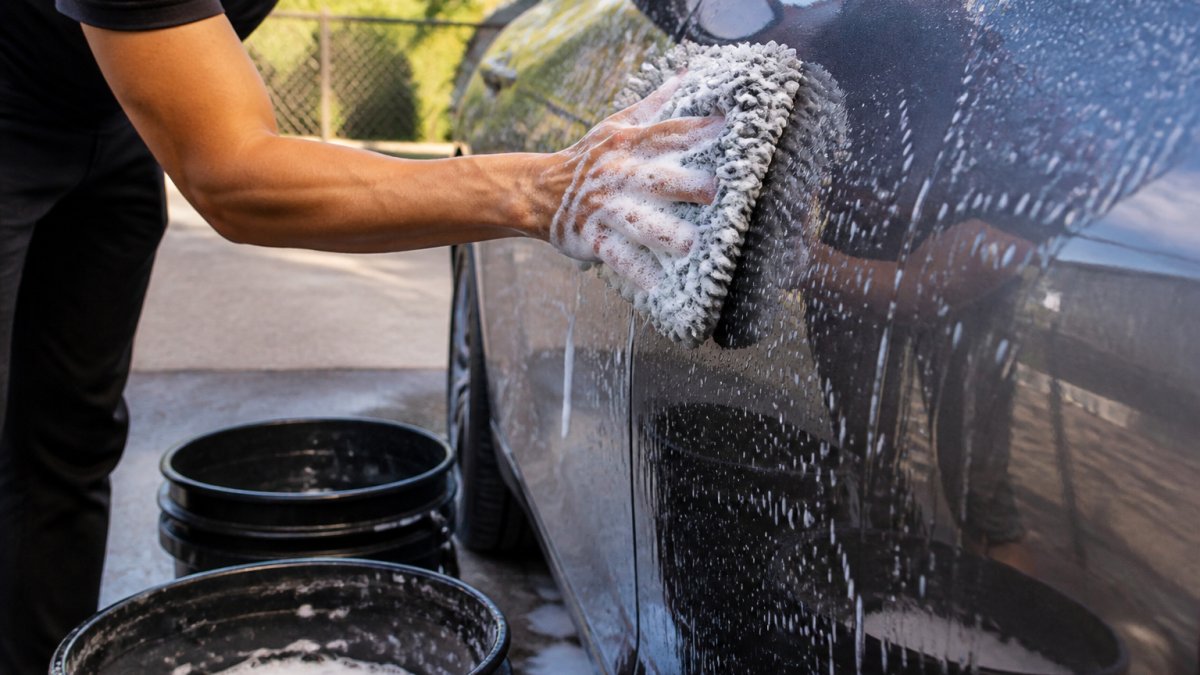
At Rubio's Custom Repair inc, we've seen countless customers invest in quality collision repair, only to damage the results through improper maintenance.
The stakes are real. The good news: how to maintain car paint after repair is straightforward once you understand the timeline and techniques.
Understanding the Curing Timeline for Freshly Repaired Paint
Your repaired panel doesn't cure on a single clock. The timeline depends on what was actually done: a small touch-up, a single refinished panel, or a full repaint each behave differently, and the paint system your shop used sets the real schedule. Treat the ranges below as a planning guide, then defer to the written aftercare instructions from your repair facility, those override any general advice.
Curing by repair type
- Small touch-up (brush or pen applied): The touch-up film is thin and skins over in hours, but it stays soft for days. Keep it dry and untouched for at least 24 hours, avoid washing that spot for about a week, and don't wax or polish it for 30 days. Touch-up paint rarely reaches the hardness of a sprayed clear coat, so expect it to remain slightly softer long-term.
- Single panel refinish (base coat + clear coat sprayed): Initial handling hardness typically arrives in 24 to 48 hours, but the clear coat continues to crosslink for weeks. Most shops advise no wax, sealant, or ceramic for 30 days, and no aggressive polishing or clay for the same window.
- Full repaint or multi-panel repair: The same per-panel rules apply, but the sheer surface area means more places to accidentally contaminate. Stagger your care, treat the fresh panels as a separate zone from the factory paint for the first month.
What is actually happening
Modern automotive clear coats are two-part systems: a resin and a hardener that react chemically after spraying. The solvent flashes off within hours, the film gels, and then crosslinking continues for days to weeks. During that window the film is still releasing solvent and building hardness.
Temperature and humidity shift the schedule. Cool, damp conditions slow the reaction; hot, dry conditions speed the surface skin but can trap solvent if the shop didn't control the booth environment. This is one reason a repair done in a properly heated and ventilated booth cures more predictably than a driveway touch-up.
Normal curing vs. a defect worth a phone call
Fresh paint changing slightly in the first weeks is normal. A defect is different. Use this triage:
- Normal: A faint solvent smell that fades over days; very slight gloss variation between a fresh panel and aged factory paint; a soft feel under a fingernail in the first week.
- Call the shop: Persistent haze or cloudiness that doesn't fade after two weeks; bubbling, blistering, or lifting at an edge; peeling or flaking; a color mismatch that is obvious in daylight; fisheyes (small crater-like dimples); or a rough, gritty texture that washing won't remove.
Photograph any concern in daylight and note the date. A shop can usually tell from a photo whether it's a curing variation or a warranty issue, and a dated record protects you if the problem persists.
Don't try to "fix" a suspected defect with polish, compound, or a clay bar during the first 30 days. You can turn a correctable finish issue into a warranty dispute by abrading a panel the shop is still responsible for.
The one rule that beats every timeline
Your repair facility's product-specific instructions win. Paint manufacturers publish cure and recoat windows for each system, and a shop that used a fast-curing or low-VOC product may give you a shorter or longer wait than the ranges here. Ask for the aftercare sheet when you pick up the vehicle, and follow it over any generic guide, including this one.
How Soon to Wash Car After Paint Repair
You can wash your car 48 hours after paint repair, but only if you use the right technique and products.
Many vehicle owners ask: "Won't water damage fresh paint?" The answer depends on how you wash. Gentle hand washing with pH-neutral soap and soft materials won't harm properly cured paint.
The first wash should be conservative. Use only cool or lukewarm water, never hot. Hot water opens the paint's pores and can trap contaminants.
Wait until day 7 or later before your second wash. By then, the paint has hardened enough to handle slightly more vigorous cleaning.
Proper Washing Techniques for Repaired Panels
The two-bucket method is your best friend when you maintain car paint after repair. This simple approach prevents dragging dirt across your fresh finish.
Here's how to do it:
- Fill two buckets with cool water and pH-neutral car shampoo in one, plain rinse water in the other.
- Rinse the panel first with a hose, using low pressure to remove loose dirt.
- Dip your soft wash mitt into the soapy bucket, then gently wash the repaired area in straight lines.
- Rinse the mitt in the clean water bucket before reloading soap. This removes trapped dirt.
- Rinse the panel thoroughly with low-pressure water.
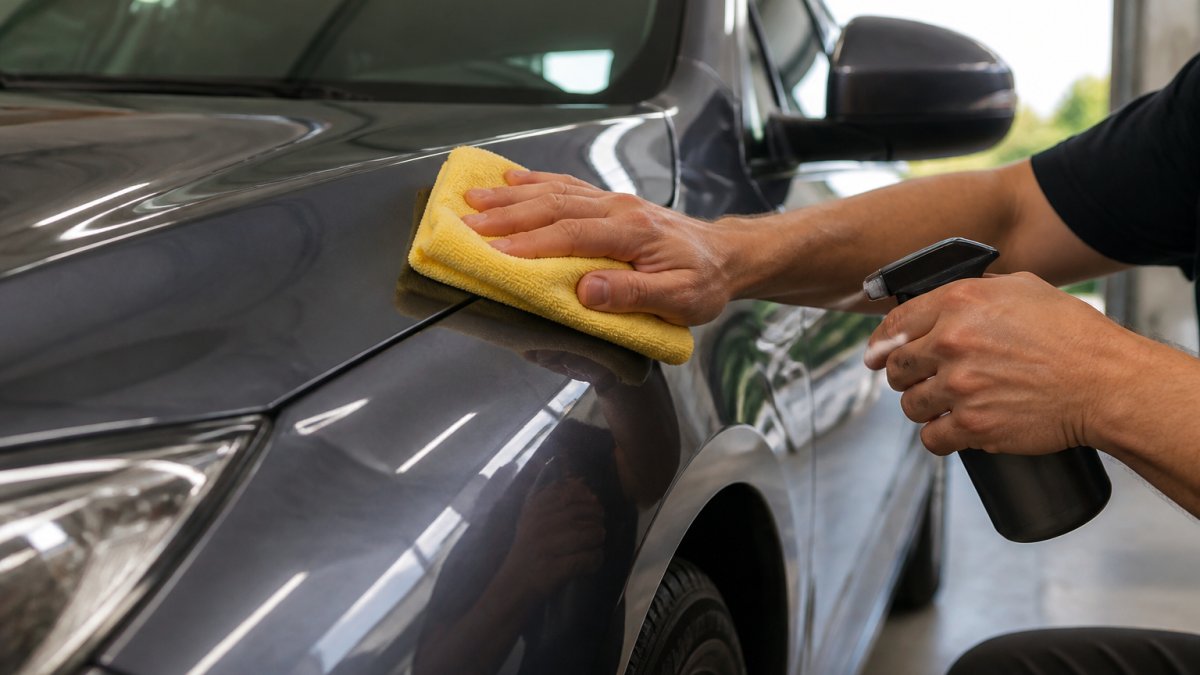
- Dry immediately with a clean microfiber towel, not air-dry.
Use only microfiber wash mitts and towels. Cotton and terry cloth cause swirl marks.
Never wash in direct sunlight. The heat can cause soap to dry on the surface, leaving spots and streaks. Wash in shade or during early morning or late afternoon.
When to Wax a Repainted Car
Wait at least two weeks before applying wax to your repainted panel. This gives the clear coat time to harden fully.
Waxing too early can trap moisture or prevent the paint from curing properly. Waxing too late means your fresh finish has no protection during that vulnerable window.
When you do wax, use a quality automotive wax, not a generic product. Apply thin, even coats and buff thoroughly. A single coat of quality wax lasts 4 to 6 weeks.
If your repair includes multiple panels, stagger your waxing. Wax the repaired area first, then other panels a week later.
Ceramic Coating After Paint Repair
Ceramic coatings offer superior protection compared to traditional wax, but they require patience to apply correctly.
Wait at least 30 days after paint repair before applying a ceramic coating. This allows the paint to fully cure and ensures the coating bonds properly.
When you're ready to apply ceramic coating, the surface must be completely clean. Wash the vehicle thoroughly, then use a wax and grease remover to strip any residual wax or sealant.
Ceramic coatings last 12 to 24 months depending on the product and your maintenance habits.
Car Paint Touch-Up for Chips and Minor Damage
Small chips and scratches happen. Catching them early prevents rust and bigger problems down the road.
For chips that expose primer or bare metal, touch-up paint is essential. The longer bare metal sits exposed, the faster rust forms. Even in dry climates, oxidation starts immediately.
Use touch-up paint that matches your vehicle's color code. You'll find the code on a sticker inside your driver's door jamb. Most automotive suppliers can mix a small bottle to match.
Apply touch-up paint in thin layers:
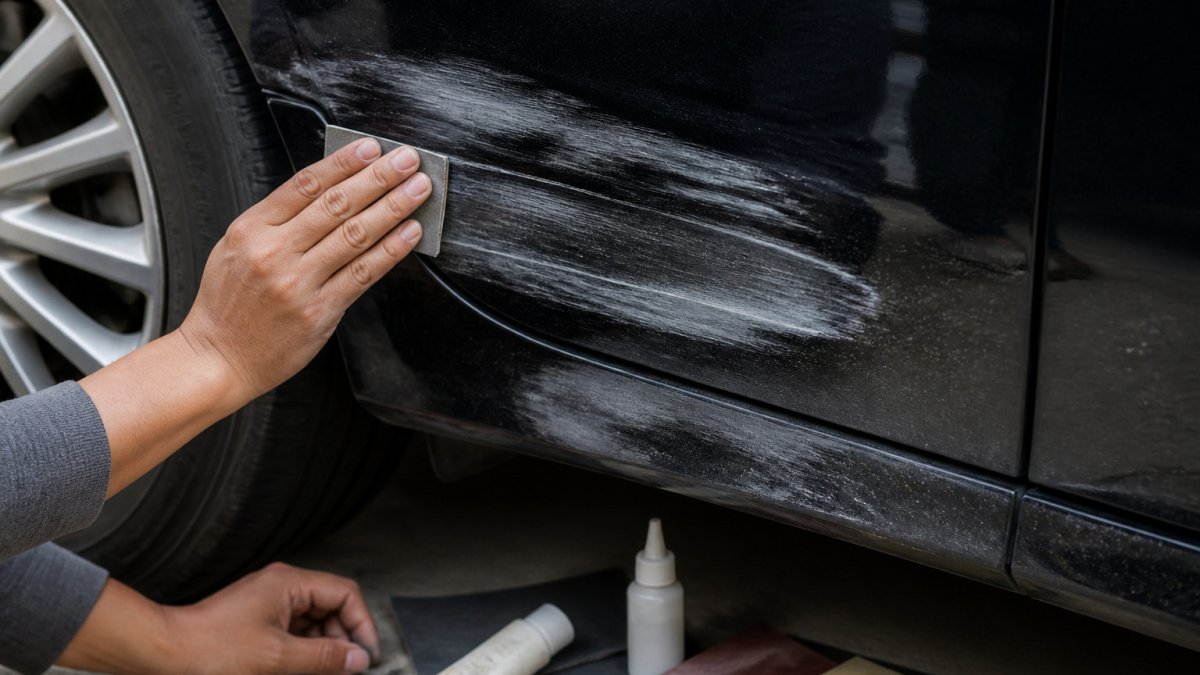
- Clean the damaged area with rubbing alcohol and let it dry completely.
- Lightly sand the area with 2000-grit sandpaper if the edges are rough.
- Apply the first coat of touch-up paint with the included brush or applicator.
- Wait 24 hours between coats.
- Apply 2 to 3 thin coats rather than one thick coat.
- Once dry, lightly sand with 3000-grit sandpaper and apply a thin clear coat if available.
For larger chips or damage that extends beyond simple touch-up, contact a professional. Attempting major repairs yourself often makes things worse.
Long-Term Paint Protection and Maintenance Schedule
Maintaining car paint after repair is a phased job: the first week, the first month, and ongoing care each have different rules. The schedule below turns the earlier sections into a usable plan. Adjust the timing to your shop's aftercare sheet, if it says wait longer, wait longer.
First week after repair
- Days 1-2: No washing. Keep the vehicle out of direct sun when parked and avoid parking under trees. Wipe only light dust with a clean microfiber towel, no water, no product.
- Days 3-7: First gentle hand wash is acceptable on most modern systems, cool or lukewarm water, pH-neutral car shampoo, two-bucket method, soft microfiber mitt, low-pressure rinse, immediate microfiber dry. No wax, no sealant, no clay, no polish, no automatic wash, no pressure washer.
- Daily: Inspect the repaired area in daylight for haze, bubbling, or color mismatch. Note anything that doesn't fade.
First month after repair
- Weeks 2-4: Continue hand washing every 7-10 days. Keep using pH-neutral shampoo and the two-bucket method. Avoid direct sun while washing.
- Week 4 (or per shop instructions): First wax or sealant application is typically appropriate. Apply a thin, even coat of quality automotive wax and buff thoroughly. If you plan to use a ceramic coating, this is the earliest most shops recommend, confirm with your facility first.
- Throughout: No clay bar, no polishing compound, no aggressive paint correction until the 30-day mark at the earliest.
Ongoing care
| Task | Frequency | Notes |
|---|---|---|
| Hand wash, two-bucket method | Every 2 weeks | More often in winter or after road-salt exposure |
| Inspect for chips, scratches, and defects | Monthly | Photograph anything new |
| Wax (if not ceramic-coated) | Every 6-8 weeks | Reapply sooner in hot, sunny months |
| Sealant reapplication | Per product label | Typically every 3-6 months |
| Ceramic coating inspection | Annually | Top-up or maintenance spray as needed |
| Clay bar / decontamination | Every 3-6 months | Only after the 30-day cure window |
| Professional inspection | Annually | Ask the shop to check repaired panels |
Product-type guidance
- Wax: Easiest to apply, shortest durability, safe for most DIY owners. Good for the first protection layer after the cure window.
- Paint sealant: Longer-lasting than wax, still DIY-friendly, usually applied every few months.
- Ceramic coating: Most durable and most expensive, but least forgiving of surface prep. Requires a fully cured, decontaminated surface and careful application.
Seasonal adjustments
Winter road salt is the biggest ongoing threat to a repaired finish. Wash every 7-10 days when roads are salted, and rinse the lower panels and wheel arches specifically. Summer UV fades paint and stresses clear coat, so park in shade when possible and shorten your wax interval during hot months.
A repaired finish lasts when you respect three phases: protect it in week one, hold off on protection products until the cure window closes, then keep a simple wash-and-inspect rhythm. The schedule matters less than the consistency.
Mistakes that undo a good repair
- Using an automatic car wash on fresh panels
- Letting bird droppings, tree sap, or water spots sit on the surface
- Using abrasive scrubbers, harsh chemicals, or dish soap
- Ignoring small chips until they rust
- Applying wax or ceramic before the shop's stated cure window
Regular maintenance costs far less than repainting. A wash-and-wax routine plus a monthly inspection is the cheapest insurance your repair has.
Frequently Asked Questions
How soon can I wash my car after a paint repair?
Most professional paint repairs require 24 to 48 hours of curing time before washing. Always confirm the specific timeline with your repair facility, as factors like humidity, temperature, and the type of paint used can affect curing. When you do wash, use the two-bucket method with pH-neutral soap and a soft microfiber wash mitt to avoid damaging the fresh clear coat.
How long should I wait to wax a car after it has been repainted?
Wait at least 30 days after paint repair before applying wax. This allows the clear coat to fully cure and harden. Applying wax too early can trap moisture or interfere with the curing process. After 30 days, a quality wax or paint sealant provides essential protection against UV exposure, road grime, and environmental contaminants.
Can I use a ceramic coating on newly repaired paint?
Ceramic coatings can be applied to repaired paint, but timing is critical. Wait 60 to 90 days after repair to allow complete curing of the clear coat and primer layers. Before application, the surface must be thoroughly cleaned and decontaminated. Ceramic coatings offer superior protection compared to traditional wax with proper maintenance.
What should I avoid after a car paint repair?
Avoid automatic car washes, abrasive cleaning products, direct sunlight exposure, and parking under trees for at least the first week. Do not use clay bars or aggressive polishing compounds on fresh paint. Keep the vehicle dry during the curing period, and avoid driving in heavy rain or extreme weather if possible. These precautions protect the paint finish while it hardens.