 how-to
What to Do If a Mechanic Overcharges You
Last Updated: October 29, 2026
Quick Summary
If a mechanic overcharges you, compare the final bill line by line against the written estimate you signed, then ask the shop to explain every difference in writing before you pay. If the shop will not correct the charges, dispute the bill in writing and, if needed, file a formal complaint with a state agency such as California's Bureau of Automotive Repair.
- Compare the final bill line by line with the estimate you signed.
- Collect the estimate, invoice, signed authorization, photos, and call notes before disputing.
- Ask for old parts back to confirm they were actually replaced.
- Put your dispute in writing with copies of the estimate and invoice attached.
- Use a credit card chargeback if the work was not performed as agreed.
Table of Contents
- How to Tell If You Were Actually Overcharged
- Step 1: Gather Your Paperwork and Documentation
- Step 2: Verify the Estimate Before You Pay
- Step 3: Talk to the Shop and Negotiate the Bill
- Step 4: How to Dispute an Auto Repair Bill
- Step 5: File an Auto Repair Consumer Complaint
- Booking Your Next Repair With a Shop You Can Check
- Frequently Asked Questions
Getting a repair bill higher than you expected is stressful, but mechanic overcharges are more common than most drivers think. Here is a practical, step-by-step way to check a bill, push back when something looks wrong, and get the dispute resolved.
How to Tell If You Were Actually Overcharged
An overcharge usually means you are paying for work you did not approve, or paying more than the written estimate allowed. The first check is simple. Put the final bill next to the estimate you signed and compare them line by line. For a detailed guide on checking each line item, see how to verify estimate line items.
Comparing the Final Bill to the Written Estimate
Start with the total. If the final bill is higher, find out why before you pay. Many shops can add charges for legitimate reasons, but they should explain each one.
Look for these differences:
- Parts that changed from the original estimate
- Extra labor hours with no written reason
- Shop supply or misc fees that were never quoted
- Repairs listed on the bill that you never approved
A common mistake is paying the bill without asking about changes, which lets mechanic overcharges slip through. Ask the service advisor to show you the change in writing.
Red Flags in Repair Estimates
Some warning signs show up before any work starts. Watch for estimates with vague descriptions, such as "engine work" with no detail. Be careful with estimates that come in far above a second quote for the same job. Also be wary of pressure to decide the same day. A fair shop will explain the repair and give you time to think.
Step 1: Gather Your Paperwork and Documentation
Before you argue about a bill, collect everything connected to the repair. Good records make your case much stronger.
- The original written estimate
- The final invoice
- Any signed work authorization
- Photos of the damage before and after repairs
- Notes from phone calls or text messages with the shop
- Your insurance claim number, if one applies
Keep copies of everything. If you later file a complaint, dated records carry more weight than memory.
Keep these records together so you can back up any billing dispute with evidence.
| Document | Why it matters |
|---|---|
| Original written estimate | Baseline for comparing charges |
| Final invoice | Shows what you were actually billed |
| Signed work authorization | Proves what you approved |
| Before and after photos | Documents the damage and repairs |
| Call or text notes | Records what the shop told you |
| Insurance claim number | Needed if insurance pays part of the bill |
Step 2: Verify the Estimate Before You Pay
The best time to catch a problem is before you approve the work. Read the estimate carefully and ask questions while the car is still in the shop.
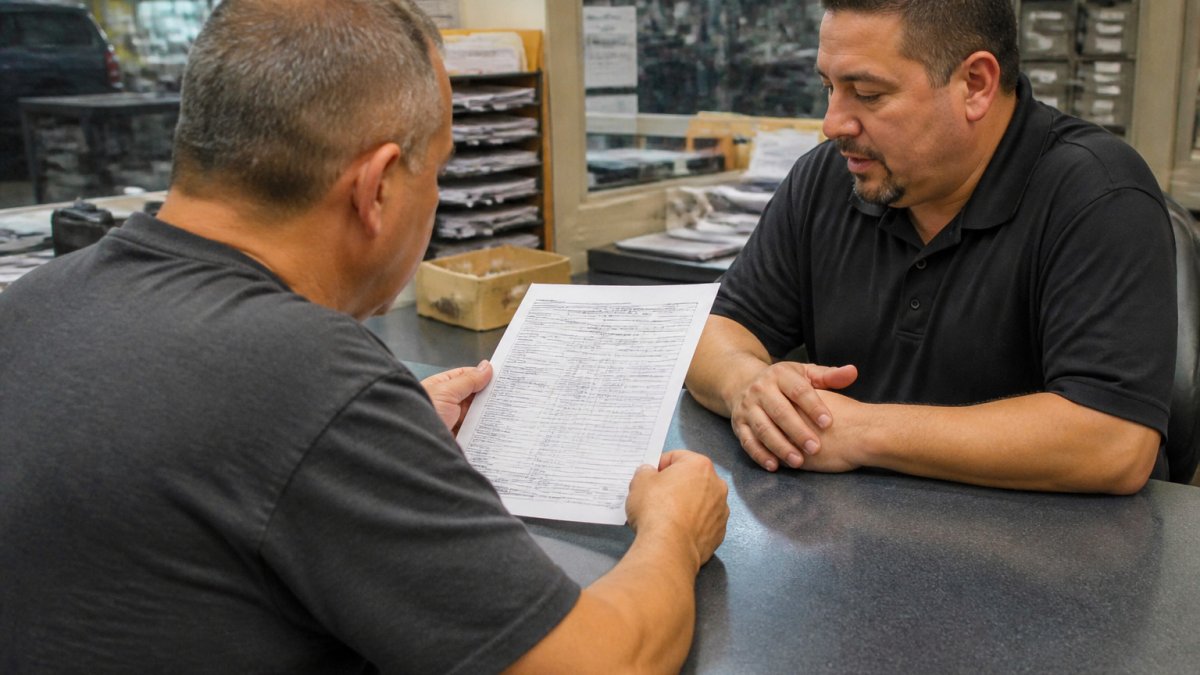
Checking Labor Rates, Parts Pricing, and Hidden Fees
Labor is often the largest part of a bill. Ask what the hourly labor rate is and how many hours each task should take. Ask whether parts are original equipment (OEM) or aftermarket. Then ask about fees that are not part of the repair itself, such as diagnostic charges or shop supply fees. Confirm which of these were already in the estimate. For a guide to spotting these fees and inflated charges, see spotting hidden fees.
Our advice is simple: if you cannot understand a line item, ask for it to be explained. A reputable shop will walk you through it without fuss.
DIY Verification Tools and Insurance Checks
You can check many things yourself. Ask for the old parts back so you can confirm they were replaced. If insurance is paying part of the bill, call your insurer and confirm which charges they will cover. That way you know your out-of-pocket share before the work finishes.
Step 3: Talk to the Shop and Negotiate the Bill
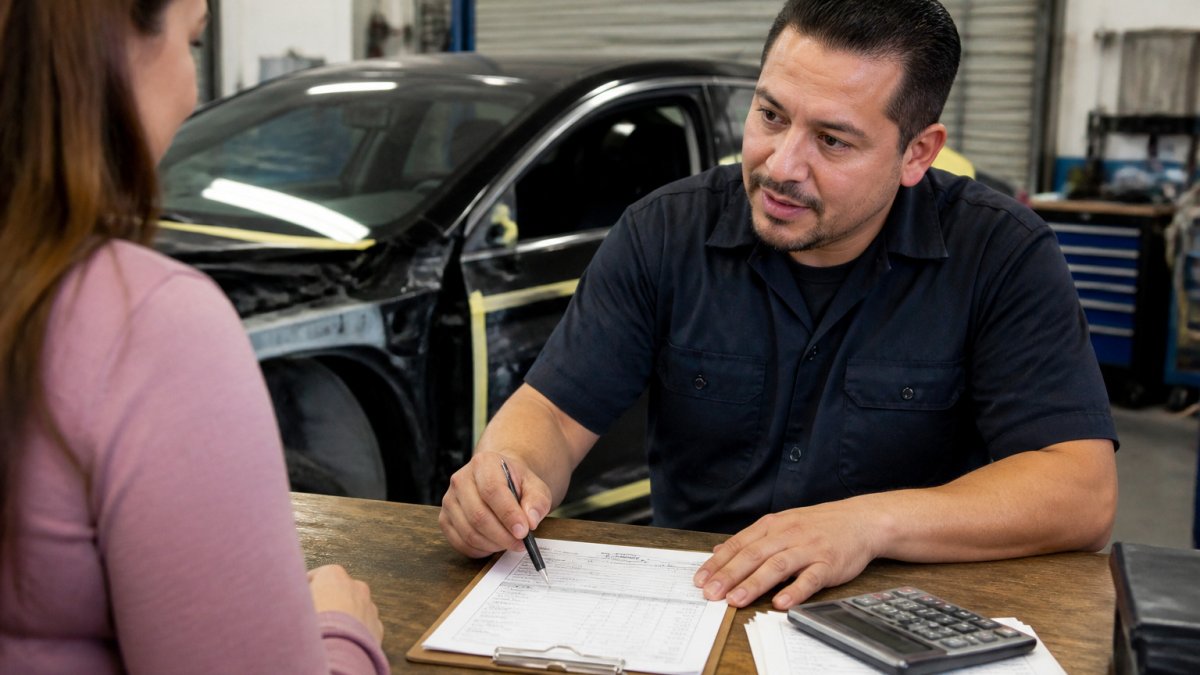
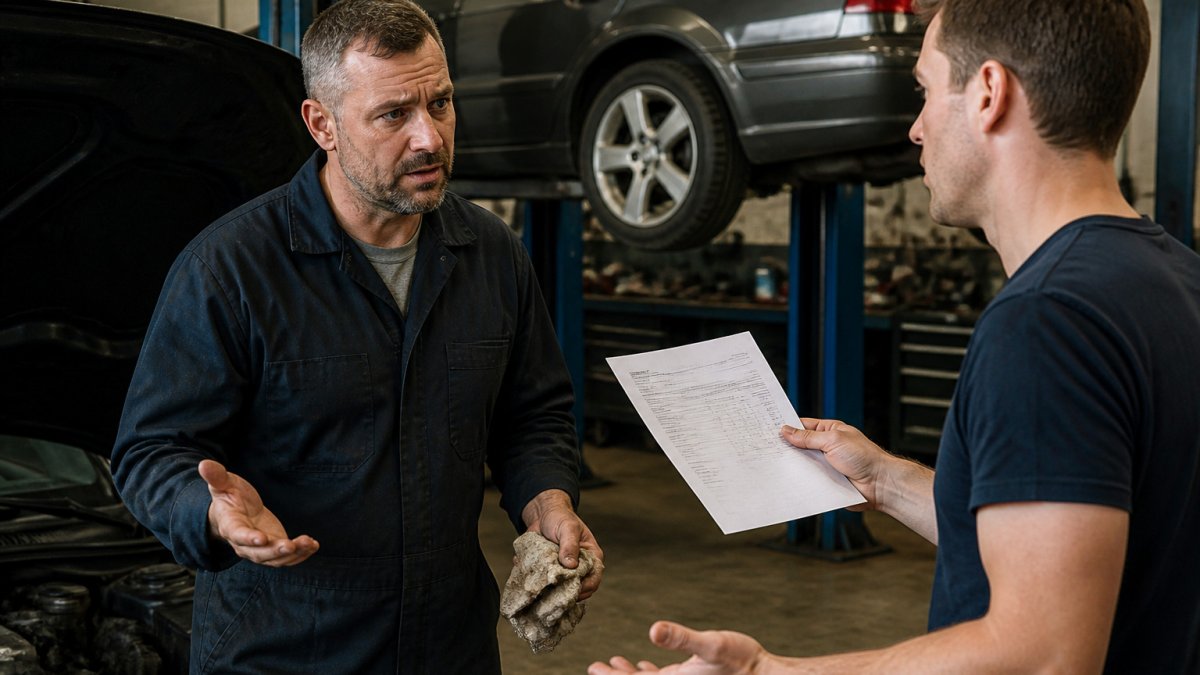
Most billing problems are settled by a direct conversation. Stay calm, bring your documents, and be specific.
Try this approach:
- Point to the exact line items that do not match the estimate
- Ask the shop to remove or explain each charge
- Request an itemized bill in writing
- Ask for a supervisor or the shop owner if the service advisor cannot help
Negotiation works best when you ask for something reasonable. To learn the warning signs of a dishonest shop and the questions to ask, see warning signs of dishonest shops. Ask the shop to waive an unapproved fee or reduce hours that look too high. Many shops would rather settle than lose a customer.
Step 4: How to Dispute an Auto Repair Bill
If the shop will not correct the bill, put your dispute in writing. For practical steps to handle these situations, see avoiding auto repair scams. Send a short letter or email that lists the amount you dispute, the reason, and what you want the shop to do. Attach copies of the estimate and invoice.
Keep the tone factual. Avoid threats and personal insults. A clear written record can help a credit card company, a small claims judge, or a state agency understand what happened.
If you paid by credit card, you may be able to file a chargeback for services that were not performed as agreed. Contact your card issuer and explain the situation with your documents.
Step 5: File an Auto Repair Consumer Complaint
When a dispute cannot be settled directly, file a formal consumer complaint. In California, the Bureau of Automotive Repair (BAR) accepts complaints about auto repair shops, and it can investigate overcharges and unauthorized work. Check the agency's official website for the complaint form and current contact details. Complaints are most effective when you include your dated documents and a clear timeline.
Booking Your Next Repair With a Shop You Can Check
The best protection against overcharges starts before the next repair. Choose a shop that gives written estimates, explains each line, and stands behind its work. To find honest auto body shops you can verify, start with certifications, reviews, and the right questions to ask. Rubio's Custom Repair inc offers collision repair and paint services, and it uses original parts for most repairs along with PPG paint products. To talk through your estimate or schedule a repair, contact Rubio's Custom Repair inc directly and ask for a detailed written quote.
Frequently Asked Questions
What should I do if a mechanic charges more than the estimate?
Do not pay the extra amount until you understand why it changed. Ask the shop for a written explanation of the added labor hours or parts, and compare it with the original written estimate. Under California law, a shop generally cannot charge more than the written estimate without your authorization. Keep a record of every conversation and request an itemized final invoice before paying.
Can a mechanic charge more than an estimate without permission?
In California, a shop generally cannot exceed a written estimate without first getting your consent. If the shop finds additional problems, it should contact you, explain the issue, and get authorization before starting the extra work. Always ask for the change in writing, such as a revised estimate or a text or email confirming your approval, so you have proof of what you agreed to.
How do I dispute an unfair auto repair bill?
Start by requesting a written, itemized invoice and comparing it line by line with your estimate. Raise your concerns with the service manager or owner and ask for a correction in writing. If the shop will not adjust the charges, you can pay under protest when necessary to get your vehicle back, dispute the charge with your credit card issuer if you paid by card, or file a complaint with the California Bureau of Automotive Repair.
Who can I contact about a mechanic overcharging me?
The California Bureau of Automotive Repair (BAR) handles complaints about auto repair shops, including overcharges and unauthorized work. You can file online through the BAR website or by phone. If the bill was part of an insurance claim, you can also contact your insurer. For small-claims disputes, the California Superior Court in your county can hear cases involving amounts within the small claims limit.