 how-to
How to Find Honest Auto Body Shops
Table of Contents
- Step 1: Verify Industry Certifications and Credentials
- Step 2: Check Reviews and Reputation with the Better Business Bureau
- Step 3: Ask the Right Auto Body Shop Repair Estimate Questions
- Step 4: Evaluate Using an Auto Body Repair Quality Checklist
- Step 5: Understand Insurance Preferred Body Shop vs Independent Options
- Step 6: Verify Insurance Coverage and Get Written Authorization
- Step 7: Validate the Repair Before You Leave
- Red Flags That Signal a Dishonest Auto Body Shop
- Frequently Asked Questions
Last Updated: September 29, 2026
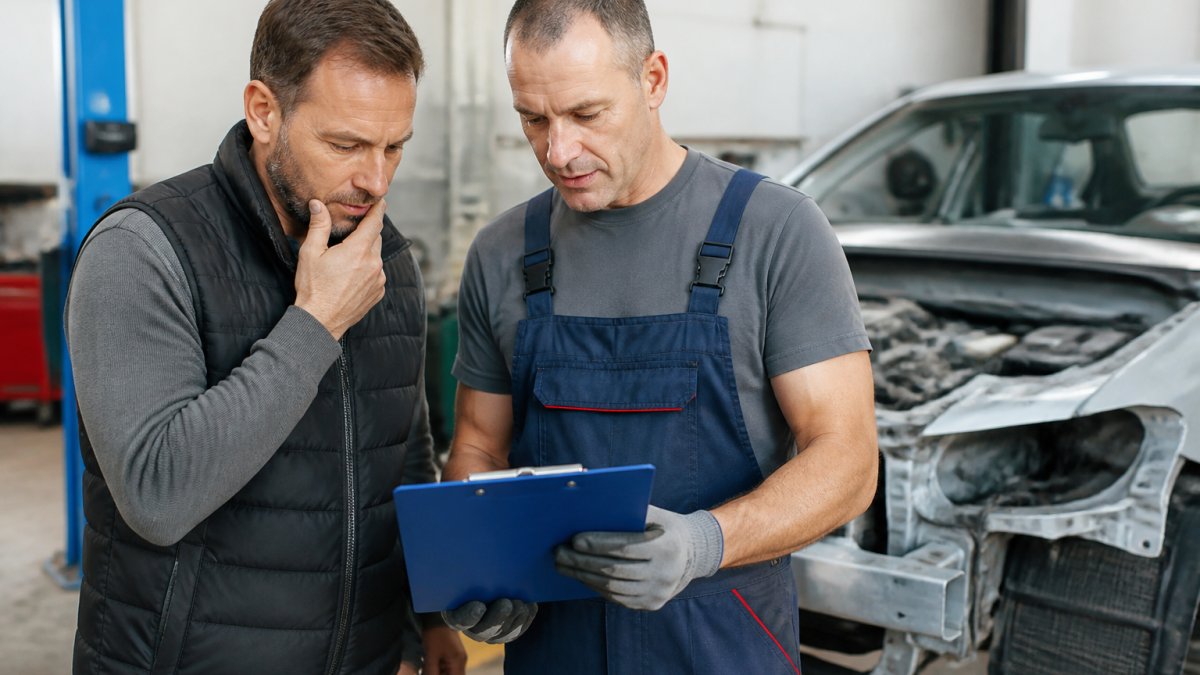
Finding honest auto body shops is one of the most important decisions you'll make after a vehicle accident. The stakes are high: a dishonest shop can overcharge you, use low-quality parts, or rush repairs that compromise your safety. This guide walks you through the exact steps to find honest auto body shops you can trust with your vehicle.
Step 1: Verify Industry Certifications and Credentials
Start by checking whether a shop has earned recognized industry certifications. These credentials signal that technicians have met specific training standards and follow quality protocols.
Look for these certifications:
- ASE (Automotive Service Excellence) Certification, Technicians pass rigorous exams covering collision repair, welding, and refinishing (ASE Certification Test Series). This is the gold standard.
- I-CAR Certification, Focuses on structural repair and advanced techniques. Shops displaying this credential take continuing education seriously.
- OEM Training, Manufacturers like Toyota, Ford, and BMW offer certification programs. A shop certified by your vehicle's manufacturer understands its specific repair requirements.
- BBB Accreditation, Better Business Bureau membership shows the shop commits to ethical practices and customer service standards.
Ask the shop directly: "What certifications do your technicians hold?" A legitimate shop won't hesitate to share this information. They may display certificates on the wall or provide documentation. If they're vague or defensive, that's a red flag.
Certified technicians cost more upfront, but they know how to perform repairs correctly the first time. You avoid costly rework later.
Step 2: Check Reviews and Reputation with the Better Business Bureau
Online reputation tells you how a shop treats customers over time. Start with the Better Business Bureau, which tracks complaints and resolutions.
Visit the BBB website and search for the shop by name. Look for:
- Overall rating, A+ is excellent; B or lower raises concerns
- Complaint history, Read actual complaints. Look for patterns (rushed work, overcharging, poor communication)
- How the shop responded, Did they address complaints professionally? Offer refunds or rework?
- Number of reviews, More reviews give a clearer picture than just a few
Beyond the BBB, check Google Reviews, Yelp, and industry-specific sites. Real customer feedback reveals how shops handle problems. Pay attention to complaints about paint quality, hidden damage charges, or insurance claim disputes. These are common pain points that separate honest shops from dishonest ones.
One honest review that mentions specific details ("They caught damage the first estimate missed and didn't charge extra") is more valuable than five generic five-star reviews.
Step 3: Ask the Right Auto Body Shop Repair Estimate Questions
The estimate is where dishonesty often starts. A vague estimate with inflated labor rates or unnecessary repairs is a sign the shop doesn't have your best interests in mind.
When you get an estimate, ask these specific questions:
About the scope of work:
- "Can you walk me through each repair, item by item?"
- "Which repairs are essential for safety, and which are cosmetic?"
- "Are there any hidden damage areas you've identified?"
About parts:
- "Will you use OEM parts or aftermarket parts?" (OEM parts are original manufacturer parts; aftermarket are third-party replacements)
- "If aftermarket, what brand, and why that choice?"
- "Will you show me the parts before installation?"
About pricing:
- "How did you calculate labor hours?"
- "Can you provide a written breakdown of parts and labor?"
- "What's included in your warranty?"
About the timeline:
- "How long will this repair take?"
- "What's your process if you find additional damage?"
A shop that answers these questions directly and provides written documentation is demonstrating transparency. Vague answers or reluctance to explain details suggests the shop may be hiding something.
Step 4: Evaluate Using an Auto Body Repair Quality Checklist
Before you approve a repair, inspect the shop's facility and processes. A well-organized, clean shop with proper equipment is more likely to deliver quality work.
Use this checklist during your visit:
Facility cleanliness and organization:
- Work areas are clean and organized
- Paint booth is enclosed and properly ventilated
- Tools and equipment are well-maintained
- No excessive dust or debris near vehicles
Equipment and tools:
- Digital measuring systems for frame alignment
- Paint matching equipment (spectrophotometer)
- Diagnostic equipment for checking structural integrity
- Welding equipment that meets industry standards
Staff professionalism:
- Technicians are willing to explain their work
- Service manager is responsive and communicative
- Staff treats you with respect and answers questions
Documentation:
- Written repair authorization before work starts
- Detailed work orders for each repair
- Before-and-after photos of damage and repairs
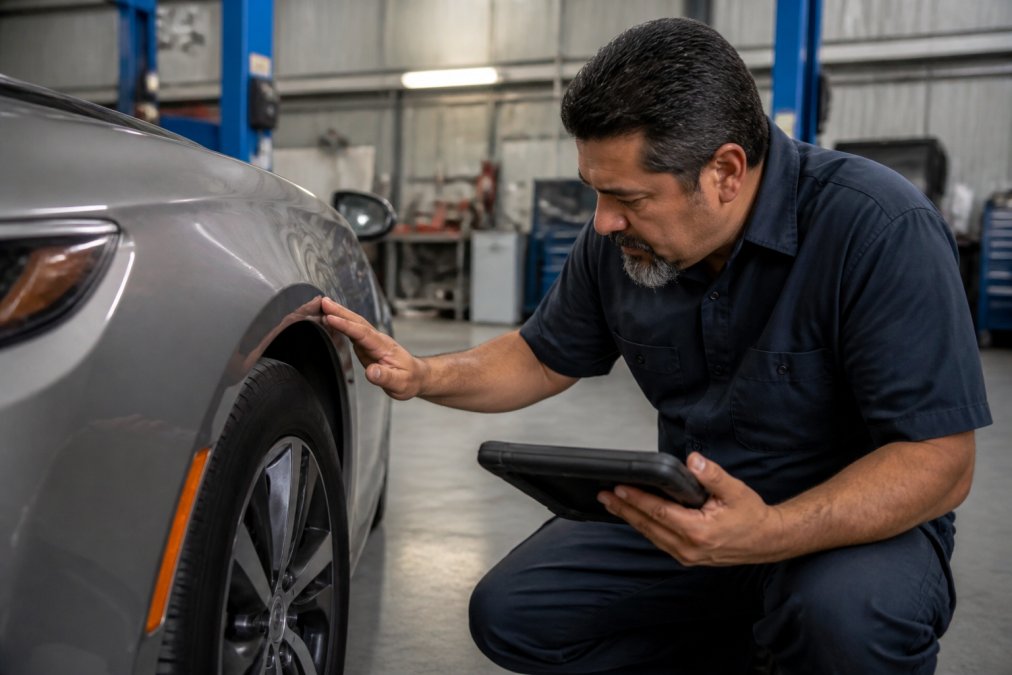
A facility that meets these standards demonstrates commitment to quality. Shops cutting corners often skimp on cleanliness, equipment, or staff training.
Step 5: Understand Insurance Preferred Body Shop vs Independent Options
Insurance companies often have "preferred" or "network" shops that have agreements to provide repairs at negotiated rates. Understanding the difference helps you make an informed choice.
Insurance preferred shops:
- Work directly with insurers on claims
- Often offer faster processing
- May have volume discounts (which can benefit you)
- Sometimes pressure you to use their preferred parts
Independent shops:
- Have no contractual obligation to the insurer
- May negotiate directly with your insurance company
- Often provide more personalized service
- May charge higher labor rates
Neither option is inherently dishonest. The key is whether the shop prioritizes your vehicle's quality over the insurer's cost-cutting measures.
Step 6: Verify Insurance Coverage and Get Written Authorization
Before repairs begin, confirm that your insurance will cover the work. Miscommunication here can leave you with unexpected bills.
Take these steps:
- Provide your insurance information to the shop, The service manager will contact your insurer to verify coverage.
- Ask for a repair authorization form, This document, signed by you and the insurer, outlines approved repairs and estimated costs.
- Confirm your deductible, Know exactly what you're responsible for paying out of pocket.
- Ask about supplemental estimates, If the shop discovers additional damage during repairs, they'll submit a supplemental estimate to your insurer for approval.
- Get everything in writing, Don't rely on verbal promises. Honest shops provide written documentation of all agreements.
Step 7: Validate the Repair Before You Leave
The final step is inspecting the completed repair before you drive away. This is your last chance to catch quality issues.
Perform this validation:
Visual inspection:
- Check paint color matching in different lighting (indoors and outdoors)
- Look for paint drips, overspray, or uneven coverage
- Inspect panel alignment and gaps between panels
- Check that trim pieces fit properly
Structural inspection:
- Open and close doors smoothly
- Check that windows operate correctly
- Verify that the trunk or hood closes properly
- Test lights and wipers
Test drive:
- Drive the vehicle to check for unusual sounds or handling
- Test brakes, steering, and acceleration
- Listen for any rattling or creaking
Red Flags That Signal a Dishonest Auto Body Shop
Certain behaviors consistently indicate a shop prioritizes profit over quality and honesty.
Watch for these warning signs:
Estimate red flags:
- Vague estimates without itemized breakdowns
- Pressure to approve repairs immediately
- Refusal to provide written estimates
- Estimates significantly higher than competitors without explanation
Communication red flags:
- Shop avoids answering direct questions
- Service manager is defensive or dismissive
- No follow-up communication during repairs
- Difficulty reaching someone with authority
Process red flags:
- Insistence on cash payment before insurance approval
- Refusal to work with your insurance company
- Unwillingness to show you parts before installation
- No written repair authorization or work order
Quality red flags:
- Dirty or disorganized facility
- Technicians lack proper certifications
- Shop refuses to explain repair choices
- No warranty offered on repairs or paint
Parts red flags:
- Pressure to use aftermarket parts without explanation
- Refusal to use OEM parts when you request them
- No transparency about parts sourcing
- Shop won't show you the parts being installed
Frequently Asked Questions
How do I know if an auto body shop is reputable?
Check for Better Business Bureau accreditation, read customer reviews on independent platforms, verify industry certifications (I-CAR, ASE), and confirm the shop has proper insurance coverage. Reputable shops stand behind their work with written warranties and are transparent about their repair process and parts sourcing.
What questions should I ask an auto body shop before repairs?
Ask whether they use original equipment manufacturer (OEM) parts or aftermarket parts, what warranty covers the paint and structural repairs, how long the repair timeline will be, whether they work directly with your insurance company, if they provide a written estimate that includes labor rates and parts costs, and what happens if issues arise after the repair is complete. Request clarification on any supplemental estimates and ask about their quality assurance process.
What are the signs of a dishonest auto body shop?
Warning signs include refusing to provide a written estimate, pressuring you to use their preferred insurance claim process, reluctance to use OEM parts without explanation, vague timelines, unwillingness to discuss warranty terms, a disorganized or dirty facility, lack of industry certifications, no verifiable customer reviews, and resistance to your questions. Shops that avoid discussing repair authorization or won't let you inspect the vehicle during work are also red flags.
Do I have to use the body shop recommended by my insurance company?
No. You have the right to choose any qualified repair facility. While insurance companies may recommend preferred shops, you are not obligated to use them. You can select an independent collision repair shop of your choice. Verify that your chosen shop can work with your insurance claim process and that they'll communicate directly with your insurer about estimates and repairs. Always confirm your shop accepts your insurance before starting work.