 How-to
How Structural Damage Lowers Your Car's Resale Value
Last Updated: November 6, 2026
Quick Summary
Structural damage resale losses happen because buyers and dealers discount cars with frame or core support repairs, even when the fix looks perfect. The size of the loss depends on damage severity, repair quality, documentation, and the local market. Keeping itemized invoices and independent inspection records helps protect value.
- Structural damage affects the frame, unibody or core support, not just cosmetic panels.
- Major structural replacement usually costs more value than minor frame straightening.
- Documented, measured repairs with original parts give buyers more confidence.
- A clean vehicle history report does not guarantee a damage-free car, so pair it with an inspection.
- Build a diminished value file with five to eight pre-damage comparables before filing a claim.
Table of Contents
- What Structural Damage Means and Why Buyers Care
- How Structural Damage Affects Resale Value
- Is It OK to Buy a Car With Structural Damage?
- How Vehicle History Reports Disclose Damage
- Diminished Value Calculator: How to Estimate Your Loss
- Filing a Diminished Value Claim and Documenting It
- Next Step: Get a Repair Assessment From Rubio's Custom Repair
- Frequently Asked Questions
Most car owners assume a repair fixes everything, but structural damage resale losses can quietly cost you when it comes time to sell. Rubio's Custom Repair inc, a family-owned auto body shop in Manteca, sees this question come up often. Structural damage affects how buyers view a car, how dealers price it, and how much money you keep. This guide explains how the loss happens, what drives it, and what you can do about it.
What Structural Damage Means and Why Buyers Care
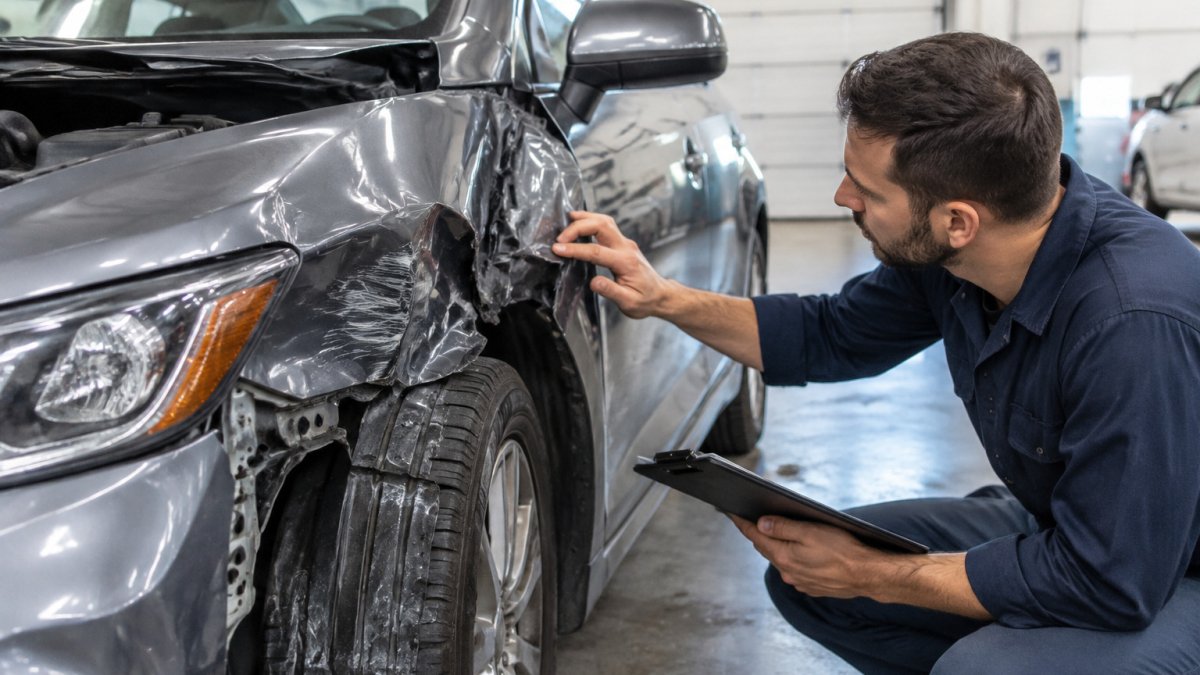
Structural damage is harm to the frame, unibody or core support of a vehicle, the parts that hold the car together and protect occupants in a crash. Buyers care because they cannot easily see how well those parts were repaired.
Structural damage car meaning in plain terms
In plain terms, structural damage means the car's skeleton was bent, cracked or shifted. Frame rails, crumple zones and support pillars are common examples. A repaired fender is cosmetic. A repaired frame rail is structural.
Structural versus cosmetic damage
Cosmetic damage affects only the outer panels and paint, such as scratches, dents and small chips. Structural damage reaches the parts that absorb crash energy. Buyers and appraisers treat the two very differently, because structural problems raise safety questions that a fresh coat of paint does not answer.
How Structural Damage Affects Resale Value
A car with a structural repair in its history usually sells for less than an identical car with no accident history, which is why structural damage resale value is so often discounted. This loss is often called diminished value. It persists even when the repair looks perfect.
Typical value loss ranges and why they vary
Published estimates for structural damage vary widely.
These numbers differ for good reasons. Damage severity, the vehicle's age and make, and the local market all change the result. Treat any single percentage as a rough guide, not a fixed price.
How severity and repair quality change the outcome
Severity matters most. A minor frame straightening usually costs less value than a major structural replacement. Repair quality matters too. A shop that uses proper measuring equipment and documents each step gives buyers more confidence. Keeping repair paperwork helps protect value later.
The article's figures show how much structural damage can reduce a car's value and what drives the size of that loss.
| Factor | Effect on value | Note |
|---|---|---|
| Damage severity | Minor straightening costs less value than major replacement | Severity matters most |
| Repair quality | Documented, measured repairs give buyers more confidence | Keep repair paperwork |
| Vehicle age and make | Changes how large the discount is | Affects published estimates |
| Local market | Shifts the final price | Estimates are rough guides |
Is It OK to Buy a Car With Structural Damage?
Buying a car with structural damage can make sense, but only with clear eyes. The discount can be attractive. The risk is that the repair may not have restored the car's crash performance or long-term durability.
Before you buy, get an independent inspection and ask for repair records. A vehicle that was professionally repaired with original parts is a very different purchase from one fixed with shortcuts. If the seller cannot show documentation, walk away or negotiate a much lower price.
How Vehicle History Reports Disclose Damage
Vehicle history reports collect data from sources such as insurers and state records, and they can show accidents, title brands and some repair events. They can show accidents, title brands and some repair events. Not every repair gets reported, though.
That gap is why a clean report does not guarantee a damage-free car. Pair the report with a physical inspection and any repair invoices the owner has kept. Buyers who check both are far less likely to be surprised later.
Diminished Value Calculator: How to Estimate Your Loss
A diminished value estimate is not a single formula. It is a short evidence file that supports a number. The method below walks through how to build that file yourself before you decide whether to hire an appraiser or file a claim.
Step 1: Establish the pre-damage value
Start with what the car was worth the moment before the damage occurred, not what you paid for it. Pull at least five to eight active or recently sold listings for the same year, make, model, trim, drivetrain, and approximate mileage within a realistic radius of your market. Use listing sites, dealer inventory, and any local classifieds that show actual asking or sold prices.
Step 2: Establish the post-repair value
Now look for the same vehicle with disclosed accident or structural history. These listings are harder to find, so widen the search radius and time window. Where direct comparables are scarce, use the pre-damage figure and apply a documented adjustment based on the severity of the repair, the quality of the work, and how the damage is disclosed.
Step 3: Adjust for repair quality and documentation
A repair backed by itemized invoices, alignment and measuring printouts, and photos at each stage supports a smaller discount than an undocumented repair. If your shop used original parts and can show frame measurements returned to specification, note that explicitly. If the repair involved sectioning a frame rail or replacing a structural component, expect a larger adjustment regardless of how well the work was done, because the disclosure itself changes buyer perception.
Step 4: Arrive at a defensible range, not a single number
Subtract the post-repair figure from the pre-damage figure to get a gross loss, then express the result as both a dollar range and a percentage of pre-damage value. Present the range with the comparables and adjustments that produced it.
Watch out: Do not anchor on the highest published percentage you find online. Those figures usually describe severe, disclosed structural damage on late-model vehicles, and applying them to a minor frame straightening on an older car will make your estimate easy to dismiss.
When to bring in a professional appraiser
If the dollar gap is large, if the insurer disputes your figure, or if the vehicle is a high-value or specialty model, a licensed appraiser's written opinion carries more weight than a self-built file. Ask for a report that lists comparables, adjustment methodology, and the appraiser's credentials, and confirm the appraiser's approach aligns with how diminished value is commonly evaluated in your state.
Filing a Diminished Value Claim and Documenting It
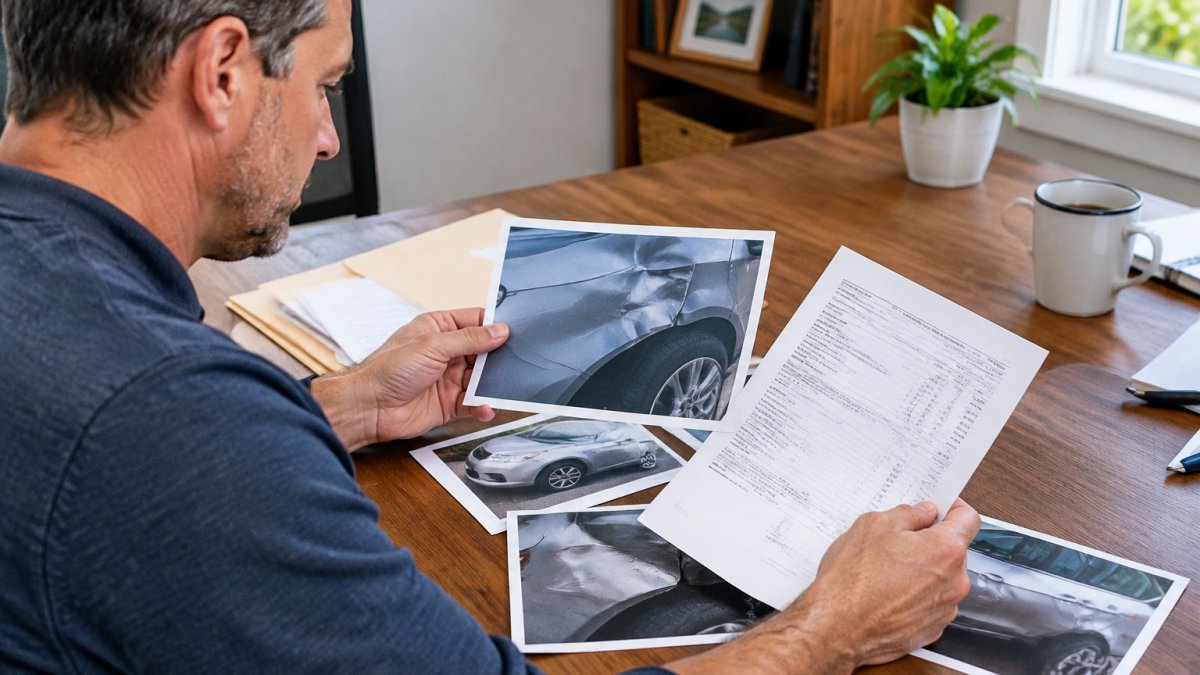
A diminished value claim succeeds or fails on paperwork. If you have decided to pursue compensation, step-by-step guidance on filing a diminished value claim after an accident walks through each stage. The insurer's adjuster is not looking for a story; they are looking for a file that answers three questions: what was the car worth before, what is it worth now, and why is the difference attributable to the structural repair rather than to age or mileage. Ten steps to document car accident damage show how to assemble the proof those questions require.
Build the evidence file in this order
- Pre-damage valuation. Five to eight comparable listings with source, date, mileage, and price, plus a short note on how you adjusted each one. This is the foundation; without it, every later number is unsupported.
- Repair documentation. Itemized invoices showing parts, labor, and paint, plus the shop's written assessment of what was structurally damaged and how it was corrected. Ask the shop for frame-measurement or alignment printouts if they exist.
- Photo record. Pre-repair damage photos, in-progress photos if available, and post-repair photos of the same areas. Date-stamp them and keep the originals.
- Independent inspection. A post-repair inspection from a shop that did not perform the work adds credibility, especially if it confirms the structure was returned to specification or notes any lingering concerns.
- Post-repair valuation. Comparable listings for the same vehicle with disclosed accident or structural history, or a written appraiser's opinion if the dollar amount justifies the cost.
- Insurer correspondence. Keep every email, letter, and claim note. Note the date of each contact and the name of each representative you speak with.
Sequence the claim correctly
Confirm who the at-fault party's insurer is and whether your state recognizes diminished value claims against that insurer. Rules vary by state, so confirm the current requirements with your state insurance department before filing.
Submit the evidence package as a single organized document rather than in scattered emails. Include a one-page summary that states your pre-damage value, post-repair value, the difference, and the comparables that support each figure.
Watch out: Do not accept a quick settlement on the repair before you have raised diminished value.
Private sale versus trade-in: which channel fits your situation
The right selling channel depends on how much documentation you have and how much time you can spend.
- Private sale. Buyers will ask about the structural repair directly, and many will walk away. The upside is that a well-documented repair, with invoices and an inspection report, can support a higher price than a dealer will offer. Expect to price below a clean-history comparable and to negotiate on the strength of your paperwork.
- Trade-in. Dealers appraise quickly and will discount for the structural history, often steeply, because they carry the disclosure risk on resale. The trade-off is speed and convenience.
- Consignment or specialty buyer. For older or enthusiast vehicles, a specialist buyer may value a documented structural repair more fairly than a mass-market dealer. This channel takes longer and usually involves a fee.
Whichever channel you choose, bring the same evidence file. Sellers who can show what was repaired, how, and by whom consistently fare better than sellers who can only say the car was fixed.
Next Step: Get a Repair Assessment From Rubio's Custom Repair
If your vehicle has structural damage, the first step is an honest assessment of the repair. Learn how the estimate process works in our guide to getting a collision repair quote in Manteca, and read our tips on choosing a body shop for quality repairs. You can also review how collision repair affects car value in our guide on collision repair and car value.
Frequently Asked Questions
Should you buy a car that has had structural damage?
It depends on how well the damage was repaired and how much you pay. A car with properly repaired structural damage can still be safe, but its resale value will usually be lower than a comparable car with a clean history. Ask for repair records, get an independent pre-purchase inspection, and compare the asking price against similar vehicles with clean titles. If the discount does not cover the reduced resale value and any safety uncertainty, a different vehicle is likely the better choice.
Does structural damage mean the car is totaled?
No. Structural damage does not automatically total a vehicle. Insurers total a car when repair costs exceed a set share of its pre-accident value, which varies by insurer and state. A car with frame damage can be repaired and returned to the road, though the repaired vehicle will typically sell for less and may carry a branded title depending on the state and the severity of the damage.
Can you make a diminished value claim after an accident?
In many cases, yes, if another driver's insurer was at fault. A diminished value claim seeks compensation for the drop in market value that remains after a proper repair. Rules and eligibility differ by state, and some insurers limit these claims to third-party liability coverage. Keep repair invoices, the pre-accident valuation, and any appraisal report, and check your state's insurance department guidance before filing.
How can you check whether a used car has structural damage?
Pull a vehicle history report, which often lists collision claims and title brands. Then have an independent inspector check frame alignment, panel gaps, paint thickness, and weld marks. Ask the seller for repair documentation. A clean report does not rule out unreported damage, so the physical inspection matters as much as the paperwork.