 blog
How to Ask the Right Questions Before Car Repair
Last Updated: October 25, 2026
Quick Summary
Questions to ask before car repair should start with understanding the diagnosis in plain language, then move to sorting repairs by safety urgency, confirming repair methods and labor costs, and getting everything in a written itemized estimate. This protects you from unexpected charges and unnecessary work.
- Ask your mechanic to explain what's wrong in plain language and show you the damaged parts if possible.
- Sort recommended repairs into three categories: do now for safety, do soon for mechanical issues, and can defer for cosmetic work.
- Request a written itemized estimate listing each part, labor task, and fee separately with part numbers and descriptions.
- Ask what could delay the repair, especially parts availability and paint curing time.
- Use written authorization language that limits work to listed items only and requires approval before any supplemental repairs.
Table of Contents
- Questions to Ask Before Car Repair: Start with the Diagnosis
- Questions to Ask a Mechanic About the Repair Plan
- 1. Which repairs are safety-critical, and which can wait?
- 2. What is the repair method, and will you repair or replace?
- 3. How many labor hours, and at what rate?
- 4. What evidence supports the diagnosis?
- 5. Has the technician worked on this make and model?
- 6. What is the plan if the repair reveals more damage?
- Car Repair Estimate Questions: What to Request in Writing
- OEM vs. Aftermarket Parts: Which Should You Choose
- How Long Does Collision Repair Take: Timeline and Delays
- Authorization, Warranties, and What Happens After
- Frequently Asked Questions
Questions to Ask Before Car Repair: Start with the Diagnosis
When your car needs repair, asking the right questions to ask before car repair can save you thousands of dollars and prevent unnecessary work. Learn how to choose a body shop before you begin asking diagnostic questions.
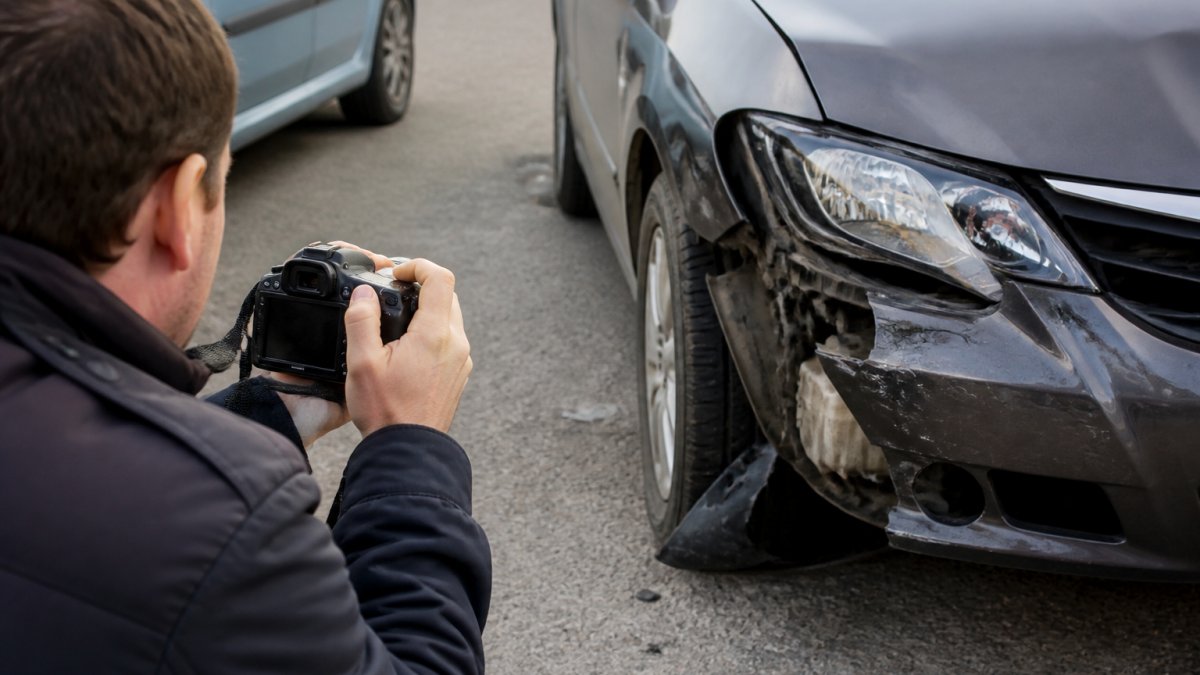
Start by asking your mechanic to explain what's wrong with the vehicle in plain language. Don't accept vague answers like "it needs work" or "there's an issue." You need specifics.
Request a written summary of the diagnostic findings. This should include what failed, why it failed, and what evidence supports that conclusion.
Here's a critical question many people skip: "What caused this damage?" Understanding the root cause helps you avoid the same problem later.
Questions to Ask a Mechanic About the Repair Plan
Once you understand the diagnosis, the next step is turning it into a repair plan you can actually act on. This is where most vehicle owners lose leverage: they accept a list of recommended work without knowing which items are urgent, which can wait, and which are optional.
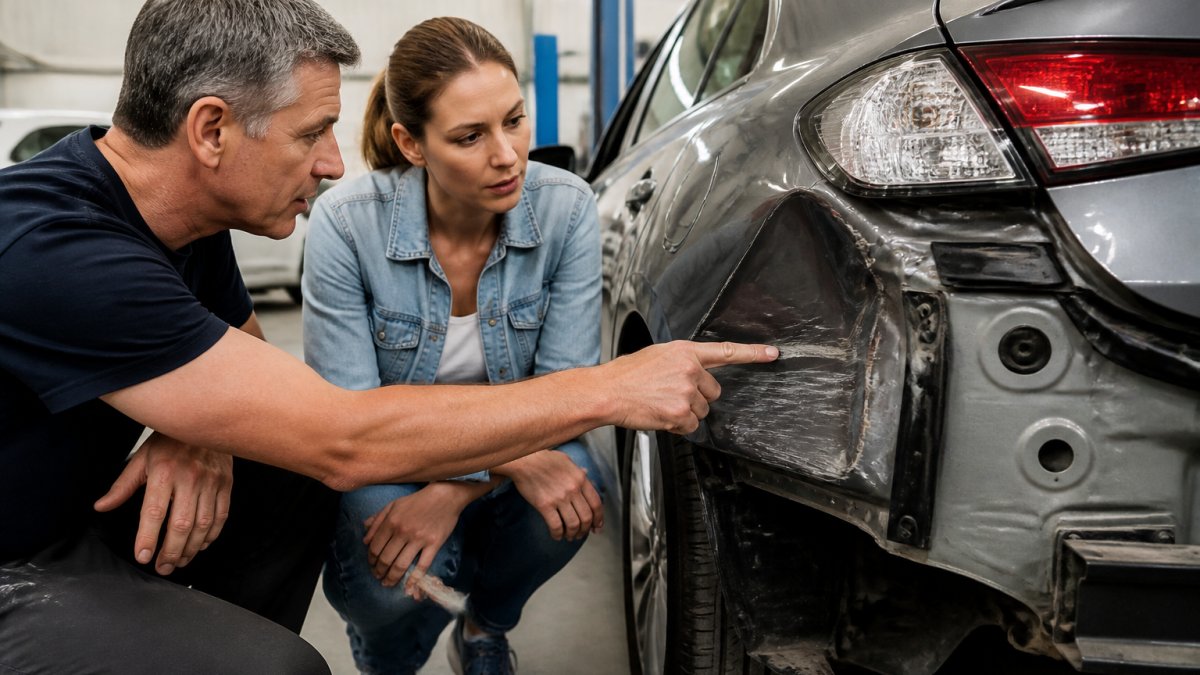
1. Which repairs are safety-critical, and which can wait?
Ask the mechanic to sort every recommended repair into three buckets:
- Do now (safety-critical): brakes, steering, suspension components that affect control, tires below the wear indicator, airbags and restraint systems, structural or frame damage, fuel or brake-line leaks, and anything that affects visibility or lighting.
- Do soon (mechanical but not immediate): fluid leaks that are slow, worn belts or hoses, minor exhaust issues, and components showing early wear.
- Can defer (cosmetic or convenience): paint and finish work, trim, minor dents that don't affect structure, and non-critical accessories.
Ask a direct follow-up: "If I could only authorize one item today, which one protects the people in this car?" A good shop will answer without hedging. If the answer is "all of it," ask them to rank the items by risk instead.
2. What is the repair method, and will you repair or replace?
Different shops may approach the same problem differently. Ask whether they will follow the vehicle manufacturer's published repair procedures or use their own method. Ask whether they plan to repair a component or replace it, and why. For body work, ask whether they will use panel replacement, panel repair, or sectioning, and whether the manufacturer permits that approach for your vehicle.
3. How many labor hours, and at what rate?
Ask for labor hours by task, not a single lump sum. Ask what the shop's labor rate is per hour and whether body, paint, and mechanical labor are billed at different rates. Ask whether there is a diagnostic fee and whether it is credited toward the repair if you authorize the work. Ask about shop supplies, hazardous-waste fees, and any other charges that appear on the final bill but not on the estimate.
4. What evidence supports the diagnosis?
Ask to see the inspection findings, diagnostic trouble codes, photos, or test results behind the recommendation. A shop that can show you a worn part, a scan-tool readout, or a measurement is giving you something you can evaluate. A shop that only offers a verbal description is asking you to trust a conclusion you cannot check. If the evidence is thin, that is a reasonable signal to seek a second opinion before authorizing expensive work.
5. Has the technician worked on this make and model?
Some repairs require model-specific knowledge, special tools, or manufacturer software. Ask whether the technician assigned to your vehicle has completed this type of repair before, and whether the shop has the equipment the manufacturer requires. For hybrid and electric vehicles, ask specifically about high-voltage training and battery-related diagnostics, since not every shop is equipped to work on those systems safely.
6. What is the plan if the repair reveals more damage?
Ask how the shop handles supplemental work discovered after the repair begins. Will they stop and call you before doing anything beyond the authorized scope? Will they send photos or a revised estimate? Get the answer before you sign, and see the authorization section below for language you can use to limit what you approve.
Sort recommended repairs into categories based on urgency and safety impact.
| Repair Category | When to Do | Examples |
|---|---|---|
| Do now (safety-critical) | Immediately | Brakes, steering, airbags, frame damage |
| Do soon (mechanical) | Within reasonable time | Fluid leaks, worn belts, minor exhaust issues |
| Can defer (cosmetic) | Later or optional | Paint work, trim, minor dents, accessories |
Car Repair Estimate Questions: What to Request in Writing
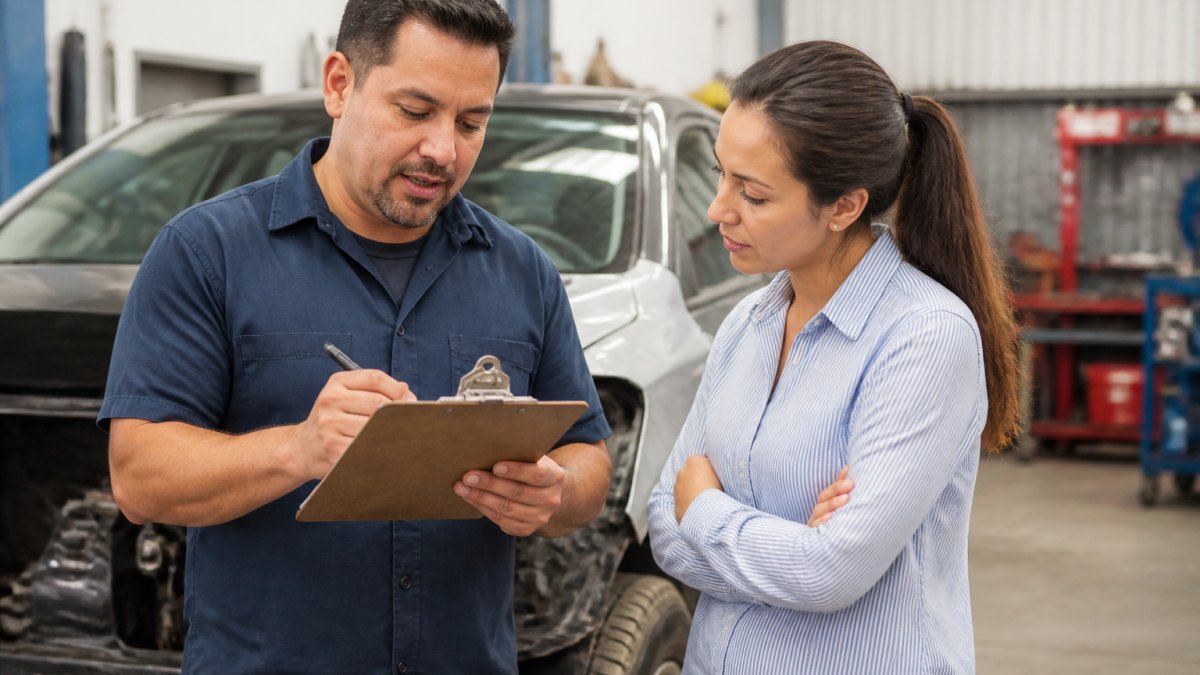
A written estimate is your protection.
Request an itemized breakdown of every repair.
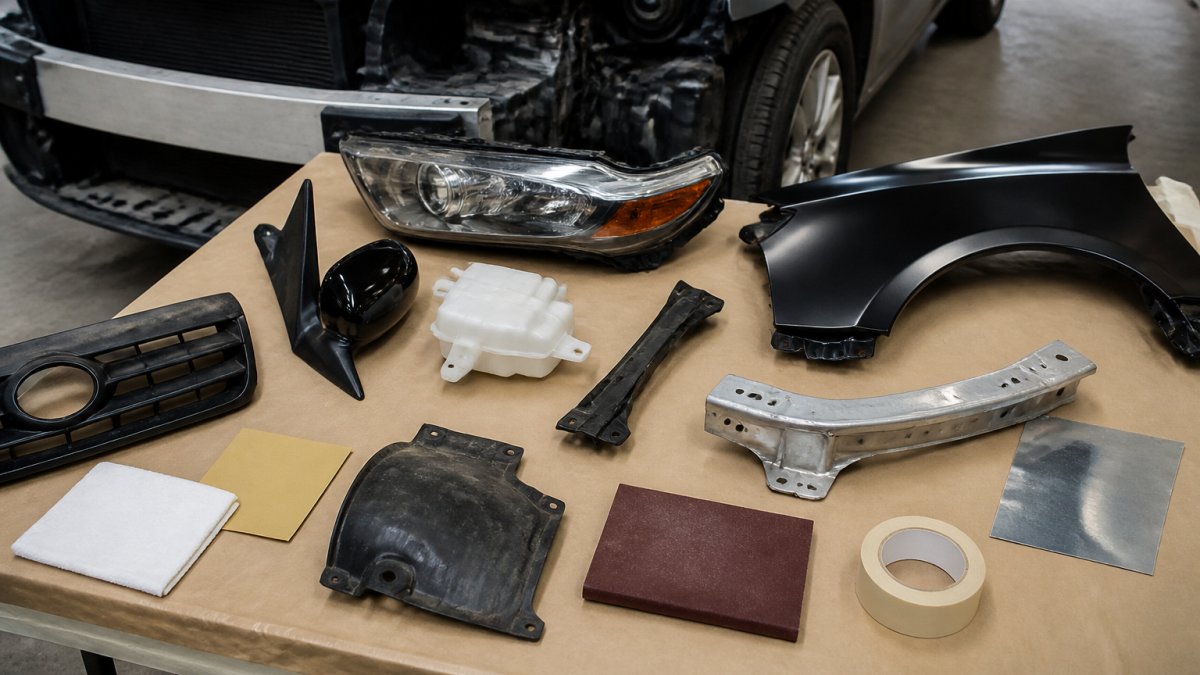
Ask for part numbers and descriptions.
Request a labor breakdown by task. The estimate should show how many hours each repair takes.
Ask whether the estimate includes paint and refinish work.
Request 10 things included in collision estimates so you know exactly what should appear in your written estimate before authorizing any work.
Get the estimate in writing and take it with you. Don't rely on a verbal quote.
OEM vs. Aftermarket Parts: Which Should You Choose
The parts question matters more than many vehicle owners realize.
OEM parts are original equipment manufacturer parts.
OEM parts are engineered specifically for your vehicle.
Aftermarket parts cost less. For some components, the quality is excellent. For others, it's significantly lower.
Ask your mechanic which parts they recommend for your specific repair. Ask why.
Ask about benefits of using original car parts to understand why this choice matters for your vehicle's long-term performance and resale value.
Request that the estimate specify which parts will be used.
How Long Does Collision Repair Take: Timeline and Delays
Every vehicle owner wants to know when their car will be ready. The honest answer is: it depends.
Ask for a specific completion date or date range.
Ask what could delay the repair. Parts availability is the biggest variable.
Ask about paint curing time. Collision repairs often involve repainting.
Ask whether the shop will provide a loaner vehicle or transportation assistance. Ask about how long collision repair takes to understand the full timeline and what causes delays.
Request daily updates once work begins. A good shop will keep you informed about progress and any unexpected issues.
Authorization, Warranties, and What Happens After
Before you sign anything, understand exactly what you are authorizing, what happens if the repair reveals more damage, and what recourse you have if the result is not right. This section gives you concrete language and a checklist you can use at the counter.
Control the authorization in writing
Ask for an authorization form that lists each repair and its cost as separate line items.
Use language like this on the authorization or in a follow-up email:
"I authorize only the items listed on this estimate, up to $[amount]. I do not authorize any additional work, parts, or charges without my prior written or emailed approval. If additional work is needed, please contact me at [phone/email] with a description and revised cost before proceeding."
Ask the shop to confirm in writing that they will stop and contact you before performing supplemental work. A common pattern is for a shop to discover hidden damage once panels or components are removed; the question is whether they call you first or simply add it to the bill.
Understand the warranty before you pay
Ask how long the repair warranty lasts, what it covers, and who honors it. Get answers to these specific questions:
- Does the warranty cover parts, labor, or both?
- Is the warranty prorated or full for the stated period?
- Does it cover paint and refinish work separately from body work?
Ask for the warranty terms in writing, not just a verbal promise. If the shop offers a nationwide warranty program, ask which one and how a claim is handled if you are traveling when a problem appears.
Know what happens if the repair does not fix the problem
Ask directly: "If the problem comes back, what do you do?" A quality shop will re-inspect the vehicle, determine whether the issue is related to their work, and repair it at no charge if it is. Ask how long you have to report a problem and whether there is a diagnostic charge for a comeback visit. Get the answer before you authorize the original repair.
Ask about safety-system testing after the repair
If your vehicle has airbags, stability control, advanced driver-assistance features, or other electronic safety systems, ask whether the shop will test or recalibrate those systems after the repair. Many modern vehicles require calibration of cameras and radar sensors after windshield or body work, and skipping that step can leave safety features operating incorrectly. Ask whether the estimate includes that calibration and, if not, why.
Handle insurance and payment questions up front
Ask whether the shop works directly with your insurer, who submits the claim, and how the deductible is handled. Ask whether the shop charges storage fees if the vehicle sits waiting for parts or an insurance decision, and at what daily rate. Ask what payment methods are accepted and whether a deposit is required. Get all of this in writing so the final bill matches what you agreed to.
Frequently Asked Questions
What are the most important questions to ask a mechanic before authorizing a repair?
Start by asking what is wrong with the vehicle and why it needs repair. Request a detailed written estimate that breaks down labor costs, parts costs, and diagnostic fees separately. Ask whether the shop will use OEM or aftermarket parts, what warranty covers the work, and what could cause delays. Finally, confirm the shop will contact you before performing any work beyond what you authorized.
How should I compare car repair estimates from different shops?
Request written estimates from at least two repair shops. Compare the cost breakdown, not just the total price. Check whether estimates include the same parts quality (OEM versus aftermarket), labor hours, and warranty terms. Ask each shop to explain why their repair approach differs if estimates vary significantly.
What is the difference between OEM and aftermarket parts, and which should I choose?
OEM parts are manufactured by your vehicle's maker and match original specifications exactly. Aftermarket parts are made by third-party manufacturers and typically cost less but may vary in quality and fit. OEM parts usually come with better warranty coverage. For safety-critical repairs like brakes or structural collision damage, OEM parts are often recommended. For cosmetic or non-critical repairs, aftermarket parts may be acceptable. Ask your technician which option is appropriate for your specific repair.
How long does collision repair typically take, and what causes delays?
Collision repair timelines depend on damage severity, parts availability, and paint curing time. Minor repairs may take a few days; major structural damage can require weeks. Ask your shop for a specific turnaround estimate and what could delay the timeline, such as waiting for parts, insurance approval, or discovery of hidden damage during inspection. Confirm whether the shop will provide a loaner vehicle or transportation assistance while your car is being repaired.