 blog
7 Steps to Prepare Your Car for Body Shop
Table of Contents
- Step 1: Wash and Clean Your Vehicle Thoroughly
- Step 2: Document Your Vehicle's Current Condition
- Step 3: What to Remove From Your Car Before Body Shop
- Step 4: Gather Documents Needed for Collision Repair
- Step 5: Create Your Body Shop Drop-Off Checklist
- Step 6: Ask These Questions Before Leaving Your Car
- Step 7: Arrange Transportation and Confirm Timeline
- Frequently Asked Questions
Last Updated: October 15, 2026
Step 1: Wash and Clean Your Vehicle Thoroughly
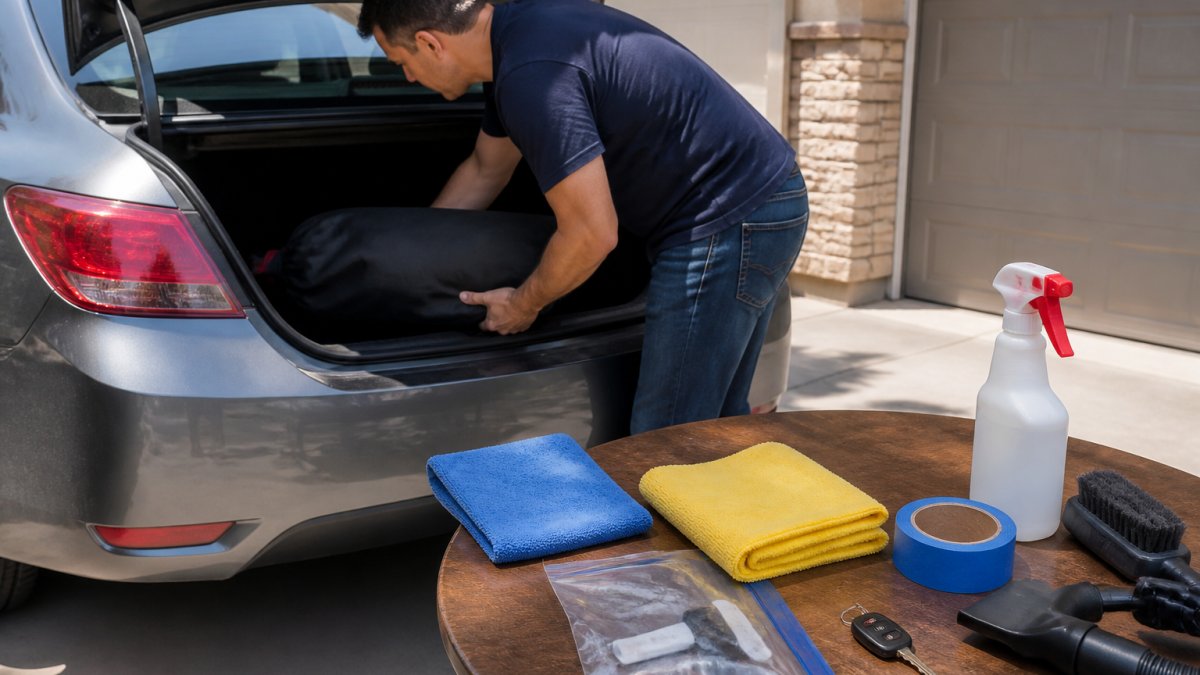
To prepare car for body shop work, the first step is washing it completely. A clean vehicle helps technicians see the damage clearly and work more effectively. Dirt, debris, wax, and grease can hide problems and interfere with paint adhesion.
Start with a thorough exterior wash using soap and water. Use a soft brush or sponge to avoid scratching the paint. Pay special attention to the areas that will be repaired. Rinse everything well to remove all soap residue.
Next, clean the wheels and tires. Brake dust and road grime build up quickly. Wipe down the trim pieces and any bolted-on parts like mirrors or door handles. Don't forget the undercarriage if there's visible mud or debris.
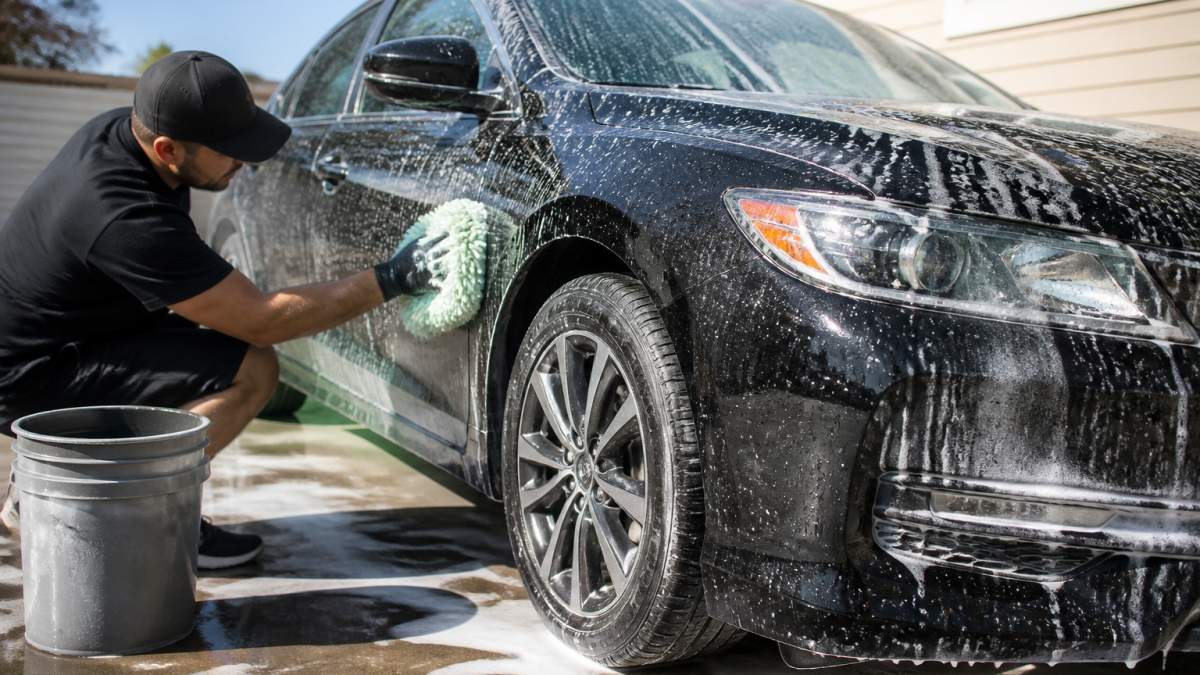
Interior cleaning matters too. Vacuum the floors, seats, and trunk. Wipe down surfaces with a damp cloth. Remove any personal items, trash, or loose objects. A clean interior prevents contamination during the repair process and protects your belongings.
Step 2: Document Your Vehicle's Current Condition
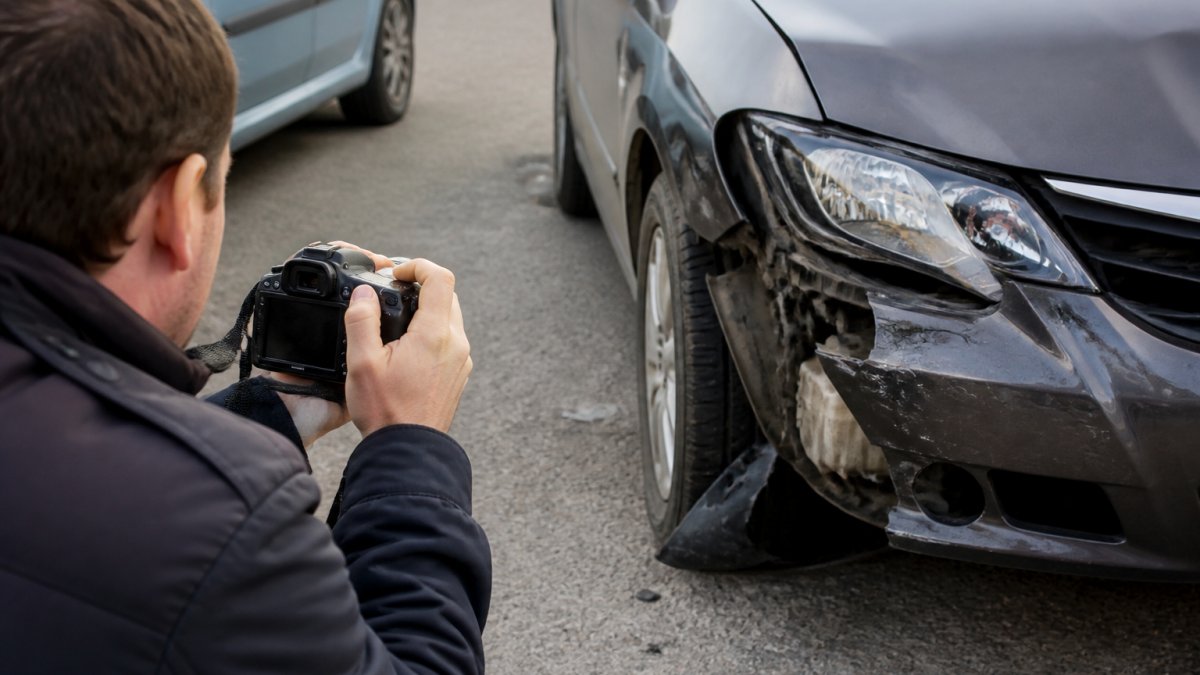
Before dropping off your car, take photos and videos of its current state. This protects you and creates a record for insurance purposes. Document pre-existing damage, scratches, dents, and any wear on interior trim or upholstery.
Take photos from multiple angles. Capture the overall vehicle condition, close-ups of existing damage, and the interior. Include shots of the odometer showing current mileage. Take photos in good lighting so details are clear.
Video walkthrough is even better. Walk around the vehicle slowly while recording. Open doors, trunk, and hood. Show the interior from all sides. This creates undeniable proof of the vehicle's condition before repair work begins.
Store these photos and videos safely. Email them to yourself or upload to cloud storage. Share copies with your insurance company if you have a claim. The body shop will appreciate having this documentation too. It prevents disputes about what damage existed before repair work started.
Step 3: What to Remove From Your Car Before Body Shop
Personal belongings must leave your vehicle before repair work starts. The body shop isn't responsible for lost or damaged items left inside. Remove everything from the trunk, glove compartment, door pockets, and under seats.
Take out these items specifically:
- Valuables: phones, wallets, jewelry, electronics
- Child seats and safety equipment
- Toll tags and transponders
- Medications and supplements
- Documents: registration, insurance cards, receipts
- Sunglasses and personal accessories
- Air fresheners and hanging items
- Phone chargers and cables
- Loose change and small items
Check every storage compartment. Look under seats and in the trunk. Open the center console. Many people forget items in these places.
Remove aftermarket accessories if possible. Dash cams, phone mounts, and custom seat covers should come out. If they're permanently installed, let the body shop know. They'll protect them during work.
Empty the fuel tank partially if it's nearly full. Some repair work involves areas near the fuel system. A full tank creates unnecessary hazards. Leave enough fuel to move the vehicle around the shop.
Step 4: Gather Documents Needed for Collision Repair
Bring all relevant paperwork when you drop off your vehicle. The body shop needs this information to process your repair correctly. Organize documents before you arrive.
Essential documents include:
- Vehicle registration and title
- Insurance policy and claim information
- Insurance adjuster's estimate or authorization
- Photo documentation of the damage
- Pre-repair vehicle condition photos (from Step 2)
- Warranty information if applicable
- Service records showing recent maintenance
Your insurance company will provide claim authorization. Bring the claim number and adjuster contact information. The body shop needs this to bill your insurance directly. Without it, you may be responsible for the full repair cost upfront.
If you have a preferred repair shop or specific parts requirements, bring documentation. Some insurance policies cover original manufacturer parts. Others allow aftermarket parts. Having this in writing prevents misunderstandings.
Bring your driver's license for identification. The shop needs to verify you're the vehicle owner or authorized to make repair decisions.
Step 5: Create Your Body Shop Drop-Off Checklist
A drop-off checklist for collision repair is different from a paint-prep checklist. Most guides focus on sanding and masking, but when you are handing your car to a repair facility, the priorities are documentation, belongings, and logistics. Use this checklist to avoid the most common oversights.
Before you leave home:
- Vehicle washed and cleaned (exterior, interior, trunk, undercarriage)
- Pre-repair photos and videos taken and stored in cloud storage or emailed to yourself
- Odometer reading photographed
- Fuel level noted (aim for between a quarter and half tank)
- All personal items removed from cabin, trunk, glovebox, door pockets, and under seats
- Child seats and booster seats removed
- Toll tags and transponders removed
- Aftermarket accessories removed or noted (dash cam, phone mount, custom seat covers)
- Documents organized: registration, insurance claim number, adjuster contact, driver's license
- Written list of questions for the shop
- Transportation arranged for after drop-off
At the shop:
- Confirm the approved scope of work matches your insurance estimate
- Ask whether the shop will contact you before performing any additional repairs not covered by the estimate
- Provide your contact information and preferred method of updates
- Get a written receipt that includes the VIN, date, time, and any notes about pre-existing damage
- Confirm expected repair duration and pickup procedure
- Ask about the shop's warranty on parts and labor
This checklist is designed for a collision-repair drop-off, not a DIY paint job. If you are preparing for a paint-only service, the shop will typically handle masking and sanding. Your job is to make the handoff smooth and protect your interests.
Step 6: Ask These Questions Before Leaving Your Car
Before you hand over the keys, get clear answers on paperwork, communication, and what the shop expects from you. These questions go beyond the basics and address the gaps most guides ignore.
Insurance and authorization:
- Has the shop received the insurance authorization or estimate approval?
- Will the shop bill the insurer directly, or will I need to pay upfront and seek reimbursement?
- What happens if the insurer approves less than the shop's estimate?
- Will you contact me before performing any additional repairs not covered by the approved estimate?
Pre-existing damage and condition:
- Have we documented all existing damage, including scratches, dents, and warning lights?
- Will you note the odometer reading and fuel level on the intake form?
- Can I get a copy of the intake form for my records?
Timeline and communication:
- What is the estimated start date and completion date?
- How will you keep me updated, text, email, or phone call?
- Who is my main point of contact?
- What is the process if parts are delayed?
Parts and warranty:
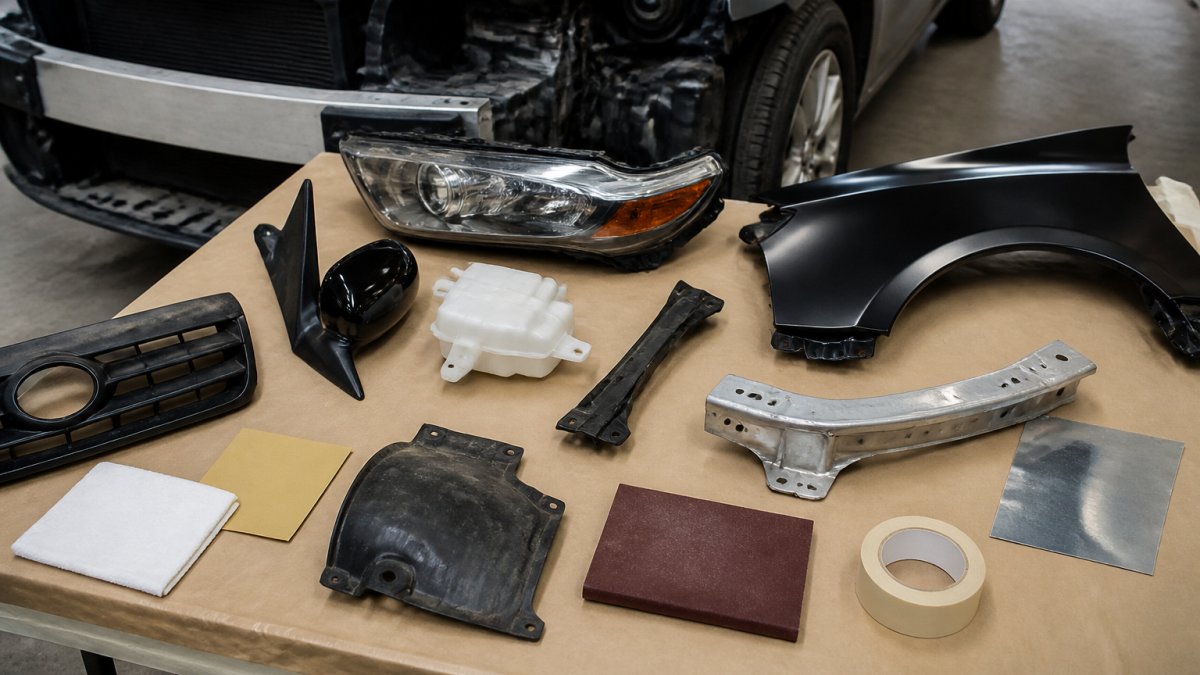
- Will you use original manufacturer parts, aftermarket parts, or a mix?
- What is the warranty on parts and labor, and how long does it last?
- Does the warranty cover paint matching and finish?
What not to do:
- Should I remove any trim or bolted-on parts myself? (Usually no, let the shop handle disassembly.)
- Should I wash the car again after the repair? (Wait for the shop's guidance on curing times.)
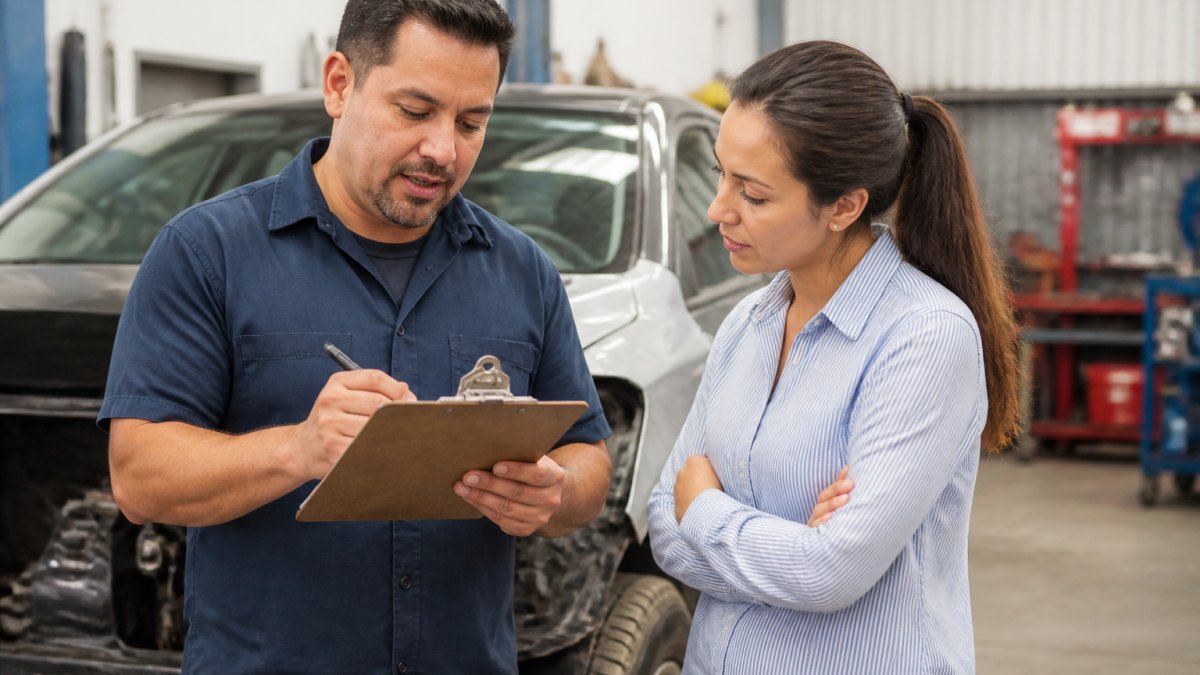
At Rubio's Custom Repair inc, we answer these questions thoroughly because we've worked on vehicles for over 30 years. We use original parts and premium PPG products to ensure your repair matches factory standards. Our team explains every step so you understand exactly what happens to your vehicle.
Step 7: Arrange Transportation and Confirm Timeline
Plan your transportation before drop-off day. You can't drive your vehicle while it's being repaired. Arrange a ride home or to work.
Transportation options include:
- Have a family member or friend pick you up
- Use a rideshare service
- Arrange a rental car through the body shop
- Use public transportation if available
- Walk if the shop is close to home
Ask the body shop about loaner vehicles. Some shops offer loaner cars while yours is being repaired. This saves you money on rentals. Ask about this option when you call to schedule your appointment.
Confirm the timeline with the shop. Ask when they expect to start work. Ask when they expect completion. Get this in writing if possible. Timelines help you plan your schedule and arrange alternative transportation.
Ask about pickup procedures. What time can you pick up your vehicle? Do they need advance notice? Will someone be available after business hours if needed?
Confirm your contact information with the shop. They need your phone number and email. They'll use this to contact you with updates. Make sure they have the correct information before you leave.
Get a written receipt for your drop-off. The receipt should include your vehicle identification number (VIN), the date, time, and any notes about the vehicle's condition. Keep this receipt safe. You'll need it when you pick up your vehicle.
When you prepare car for body shop work, it takes time, but protects your investment and ensures quality repairs. Start by washing your vehicle thoroughly and documenting its condition with photos. Remove all personal items, gather necessary documents, and ask important questions before you leave your vehicle. Create a checklist to ensure you don't forget anything. Arrange your transportation in advance and confirm the repair timeline.
When you bring your vehicle to Rubio's Custom Repair inc, we handle every step with care. Our 30-year track record shows we're committed to quality work and getting you back on the road quickly. We use original parts and premium PPG products to restore your vehicle to its best condition. Schedule an Appointment today and experience the difference professional collision repair makes.
Frequently Asked Questions
Should I wash my car before dropping it off for repairs?
Yes. Washing your vehicle before you prepare it for the body shop removes dirt, debris, wax, and grease that can interfere with surface preparation and paint application. A clean exterior helps the technician inspect damage accurately and allows sanding and masking to work properly. Use soap and water and dry thoroughly, but you don't need a professional detail, just a basic wash.
What should I remove from my car before collision repair?
Remove personal items from the interior and trunk, including electronics, documents, child seats, toll tags, and valuables. Disconnect or protect aftermarket accessories. Remove floor mats and any bolted-on trim if they'll interfere with repairs. Empty the glove box and center console. This protects your belongings and gives technicians clear access to body panels and interior work areas.
What documents should I bring to a body shop?
Bring your insurance claim information, policy details, and claim number if you have one. Include the police report or accident documentation if available. Bring your vehicle registration and keys. If you have repair estimates from other shops, bring those for reference. These documents help the body shop process your repair efficiently and coordinate with your insurance company.
What questions should I ask a body shop before repairs?
Ask about their repair timeline and when your vehicle will be ready. Inquire whether they work directly with your insurance company and how they handle authorization. Ask about their warranty on paint and repairs. Find out if they use original parts or aftermarket alternatives. Ask how they'll keep you updated on progress and what to do if issues arise after completion. These questions ensure transparency and set clear expectations.