 ultimate-guide
Benefits of Using Original Car Parts
Table of Contents
- What Original Car Parts Are and Why They Matter
- How Original Parts Protect Your Vehicle Warranty
- Precision Engineering and Perfect Fit
- Resale Value and Long-Term Cost Effectiveness
- How to Spot Dishonest Auto Shops Pushing Cheap Parts
- Do Insurance Companies Pay for OEM Parts?
- Original Parts vs. Aftermarket: When Each Makes Sense
- Frequently Asked Questions
Last Updated: September 20, 2026
What Original Car Parts Are and Why They Matter
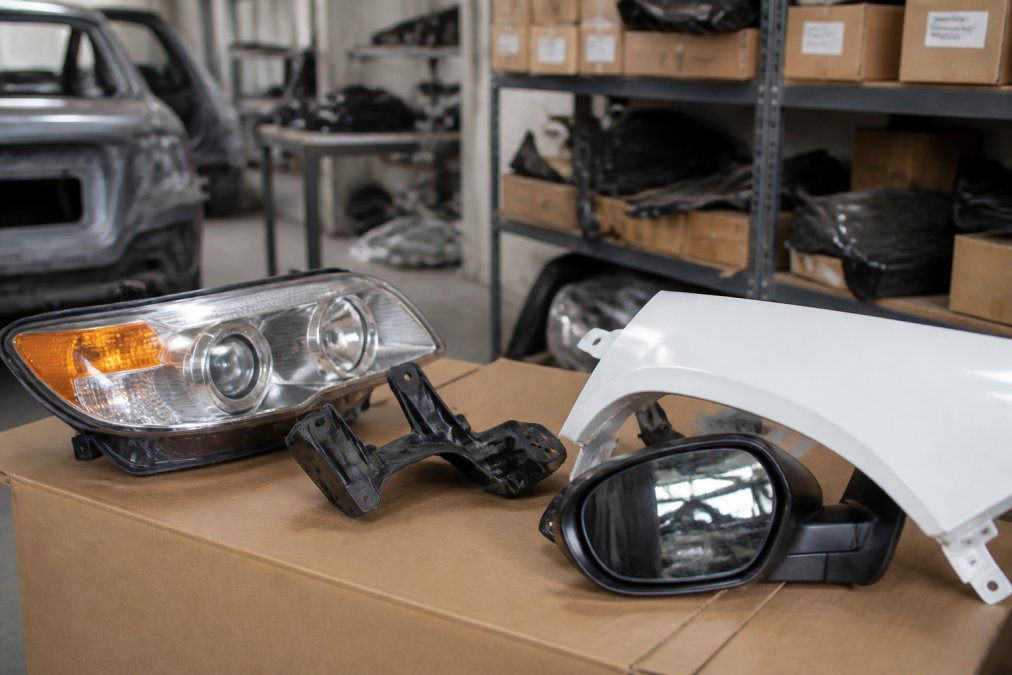
Original car parts, also called OEM (Original Equipment Manufacturer) parts, are components manufactured by the same company that built your vehicle. They're engineered to exact specifications matching your car's design, materials, and performance standards. When you need a replacement part after an accident or wear, you're choosing between genuine OEM parts and aftermarket alternatives.
The difference matters more than most vehicle owners realize. Original parts carry the manufacturer's quality assurance, precision engineering, and compatibility guarantees. At Rubio's Custom Repair inc, we've spent over 30 years working with both types of components.
How Original Parts Protect Your Vehicle Warranty
Your vehicle's warranty is a contract between you and the manufacturer. That contract has conditions, and one of the most important is what parts you use during repairs. Using aftermarket components instead of original car parts can void your manufacturer's warranty coverage entirely.
Dealerships use original parts exclusively for warranty work. Installing aftermarket components at an independent shop can void coverage for that system and related parts. If a defect appears within the warranty window, the manufacturer honors it only if original parts were used during repairs.
Precision Engineering and Perfect Fit
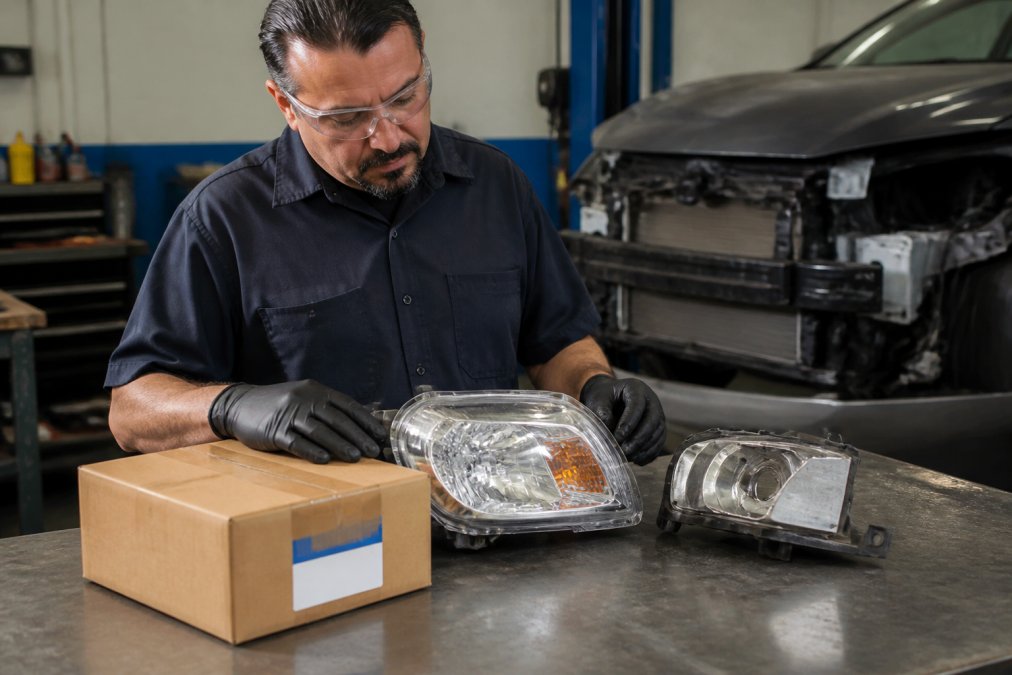
Original car parts are manufactured to tolerances measured in fractions of a millimeter. They fit your specific vehicle model because they were designed for it from the ground up. This precision matters in ways that aren't always obvious until something goes wrong.
Aftermarket parts fit a range of vehicles with looser tolerances. A bumper bracket that fits "close enough" on ten models won't fit any perfectly, creating stress points and premature failure over time.
In collision repair, fitment affects structural integrity directly. Misaligned panels allow water intrusion, causing rust and electrical problems. Paint adhesion suffers on imperfect surfaces. Suspension components must work within specific angles, engine parts must match exact clearances, and electrical connectors must provide reliable contact, all requirements original parts meet precisely.
Resale Value and Long-Term Cost Effectiveness
Resale value depends on repair history. Potential buyers and evaluators treat original part repairs as higher quality, while aftermarket repairs raise durability questions. The resale value difference often exceeds the upfront cost difference between original and aftermarket parts.
Original parts cost more upfront but last longer and require fewer follow-up repairs. An aftermarket part costing 30% less initially may fail in two years, doubling your repair cost. Original parts reduce secondary failures, precisely engineered suspension components don't stress adjacent parts, and perfectly fitted panels prevent water intrusion and cascading rust damage.
How to Spot Dishonest Auto Shops Pushing Cheap Parts
The most common scam involves quoting original parts, then installing cheaper aftermarket replacements. Protect yourself by verifying part numbers, packaging, and documentation before authorization.
Verify the Part Number
Every OEM part has a unique manufacturer part number. Before authorizing repair, ask the shop for the exact part number and verify it independently through your vehicle manufacturer's parts department or website using your VIN. Cross-reference the shop's number against the manufacturer's number, if they don't match, the shop plans to install an aftermarket equivalent. Aftermarket parts use different part number formats entirely.
Examine Packaging and Labeling
OEM parts arrive in branded packaging with manufacturer logos (Honda, Toyota, Ford, etc.), part numbers printed on box and component, holograms or security seals, detailed specifications, and manufacturing date codes. Aftermarket packaging is generic or minimal. Legitimate OEM parts come in factory-sealed boxes, if a shop shows you a part removed from packaging, ask why.
Request the shop show you removed parts before repair begins and photograph them. Examine part numbers on the removed component, they should match the OEM number you verified. Confirm the new part's number matches what was quoted.
Request Written Documentation
Request a written estimate specifying "OEM parts" or "original manufacturer parts" by name, phrases like "quality replacement parts" or "equivalent parts" are red flags. After repair, request an itemized invoice showing the exact part number, manufacturer, part cost separate from labor, and confirmation that OEM parts were used. Keep this documentation as proof.
Verify Before Payment
Before paying, walk through the repair with the technician and verify installed part numbers.
Do Insurance Companies Pay for OEM Parts?
How Insurance Adjusters Evaluate Parts
Insurance adjusters use estimating software that defaults to aftermarket parts pricing. The estimate is a starting point, not a mandate. Request OEM parts explicitly in writing. Most adjusters approve OEM parts when asked, especially for newer vehicles, structural repairs, or safety-critical components. The legal standard in most states requires restoration to "substantially the same condition as before the loss", OEM parts often meet this standard better than aftermarket alternatives.
State Regulations on OEM Parts Coverage
What Your Insurance Policy Actually Says
How to Request OEM Parts in a Claim
When Insurers Deny OEM Coverage
- Escalate to a supervisor: Ask to speak with the adjuster's manager or the claim supervisor. Explain that you believe OEM parts are necessary to restore your vehicle properly. Many denials are reversed at this level.
- File a complaint with your state's insurance commissioner: If the insurer continues to deny coverage that your policy or state law supports, file a formal complaint. This is free and often prompts the insurer to reconsider.
- Pay the difference yourself: You can always choose OEM parts and pay the difference between what the insurer allows and the actual OEM cost. This is your right as the vehicle owner. Know the cost upfront before authorizing the repair.
- Consult an attorney: For major repairs where the OEM cost difference is substantial, an attorney specializing in insurance claims can review your policy and advise whether you have a legal claim for the difference.
The Repair Shop's Role
- Contact the insurance adjuster directly to request OEM parts approval
- Provide documentation showing why OEM parts are necessary (structural integrity, safety, fitment)
- Negotiate directly with the insurer if there's a dispute
Original Parts vs. Aftermarket: When Each Makes Sense
The choice between original car parts and aftermarket components isn't always straightforward. Context matters. Understanding when each option makes sense helps you make decisions that protect your vehicle and your wallet.
Original parts make sense for:
- Structural components (frame, panels, suspension parts)
- Safety systems (brakes, steering, airbag components)
- Engine and transmission parts
- Electrical systems and connectors
- Vehicles under warranty
- Collision repairs affecting resale value
- Any repair that affects vehicle performance or longevity
Aftermarket parts might be acceptable for:
- Cosmetic trim pieces that don't affect function
- Worn-out wear items on older vehicles with high mileage
- Vehicles that will be scrapped or totaled soon
- Non-critical accessories (floor mats, sun visors)
- Vehicles no longer under warranty where cost is the only consideration
| Repair Type | Original Parts | Aftermarket Parts | Best Choice |
|---|---|---|---|
| Collision damage to body panels | Precise fit, warranty protection | Lower cost, fit variability | Original |
| Brake system repair | OEM specifications, safety-critical | Cost savings, performance risk | Original |
| Suspension component | Engineering precision, longevity | Generic tolerance, wear risk | Original |
| Cosmetic trim piece | Exact match, higher cost | Adequate function, budget-friendly | Aftermarket acceptable |
| Electrical connector | Reliable contact, durability | Potential corrosion, failure risk | Original |
| Engine gasket | Exact specification, reliability | Variable quality, leak risk | Original |
Frequently Asked Questions
What's the difference between original car parts and aftermarket parts?
Original car parts, also called OEM (Original Equipment Manufacturer) parts, are made by the manufacturer of your vehicle or approved suppliers. They meet the exact technical specifications and quality standards your vehicle was engineered with. Aftermarket parts are made by third-party manufacturers and often cost less but may not fit as precisely or perform identically. Original parts carry the manufacturer's certification and durability testing, while aftermarket alternatives vary widely in quality depending on the supplier.
Can using non-OEM parts void my vehicle's warranty?
Yes, using non-original parts can void your warranty on specific components and related systems. Most manufacturers require that repairs use genuine parts to maintain warranty coverage. If a repair using aftermarket parts fails and causes damage to other components, the manufacturer may deny your claim. Your vehicle's warranty is designed around original parts' performance and durability, so substituting them removes that protection. Always verify with your manufacturer or dealer before choosing aftermarket alternatives.
How do original parts affect my vehicle's resale value?
Vehicles repaired with original parts retain higher resale value because buyers know the vehicle was restored to manufacturer specifications. A detailed service history showing OEM parts builds buyer confidence in the vehicle's reliability and longevity. Conversely, buyers often negotiate lower prices for vehicles with a history of aftermarket repairs, viewing them as riskier purchases. When you sell or trade in your vehicle, documented use of original parts demonstrates quality maintenance and can significantly impact what buyers will pay.
Do insurance companies pay for OEM parts in collision claims?
Most insurance companies will cover OEM parts for collision repairs, as they align with manufacturer specifications and are considered the standard for quality restoration. However, some insurers may push for aftermarket alternatives to reduce claim costs. You have the right to request original parts in your repair, your policy typically covers whatever is needed to restore your vehicle to pre-accident condition. When working with a repair shop, confirm that your insurer approves OEM parts before the repair begins, and document this approval in writing.