 blog
blog
Professional Auto Body Paint Shop: What to Know
Table of Contents
- What Makes a Professional Auto Body Paint Shop
- Core Services: Collision Repair and Auto Painting
- How to Choose an Auto Body Shop
- Understanding Auto Body Paint Cost Estimate
- Car Paint Job Duration: Timeline Expectations
- Quality Assurance: Warranties and Guarantees
- Maintenance Guide for New Paint
- Frequently Asked Questions
Last Updated: September 27, 2026
What Makes a Professional Auto Body Paint Shop
A professional auto body paint shop combines certified technicians, modern equipment, and premium materials to restore your vehicle to factory specifications.
At Rubio's Custom Repair inc, we've spent over 30 years perfecting this craft. What separates a professional shop from a quick-fix operation is attention to detail at every stage, matching factory finishes, ensuring structural integrity, and standing behind every repair with a guarantee.
Professional auto body work rests on three pillars: expertise, equipment, and accountability. Certified technicians understand modern vehicle construction and the difference between cosmetic and safety-critical repairs. Professional shops invest in paint booths, color matching technology, and tools that enable precision, and they guarantee their work because they know it will hold up.
Core Services: Collision Repair and Auto Painting
Collision Repair Services
A professional auto body paint shop handles structural damage, frame alignment, and component replacement with the precision modern vehicles demand. Impact damage can affect alignment, electrical systems, and safety features invisible to the naked eye.
Professional collision repair starts with thorough inspection using specialized equipment to measure frame geometry and identify hidden damage. Using original parts ensures your vehicle maintains its original integrity and resale value.
The collision repair process includes frame straightening, panel replacement, welding, and component realignment. Rushing these stages results in misaligned doors, uneven panel gaps, or paint mismatch. Professional shops take the time necessary to ensure your vehicle drives safely and looks factory-correct.
Auto Painting Process and Color Matching
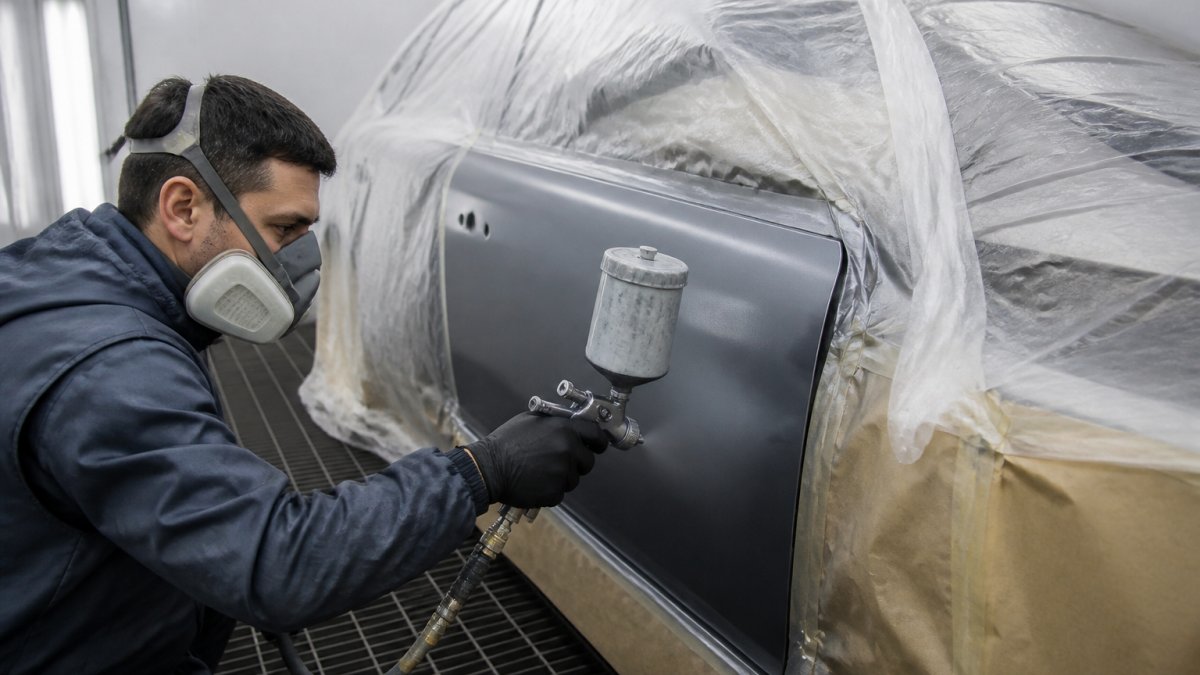
Proper automotive refinishing requires surface preparation, primer application, basecoat application, and clear coat protection. Skipping or rushing any step causes paint failure.
Surface preparation determines everything, sanding away damaged paint, removing rust, and creating a smooth foundation. Primer ensures adhesion, basecoat delivers color and protection, and clear coat provides gloss and UV protection.
Modern vehicles use complex paint formulations with metallic flakes, pearl effects, and color-shifting properties. A professional auto body paint shop uses spectrophotometers and paint matching systems to analyze your vehicle's original color and mix an exact match. Without this technology, the result is a panel that looks different in sunlight.
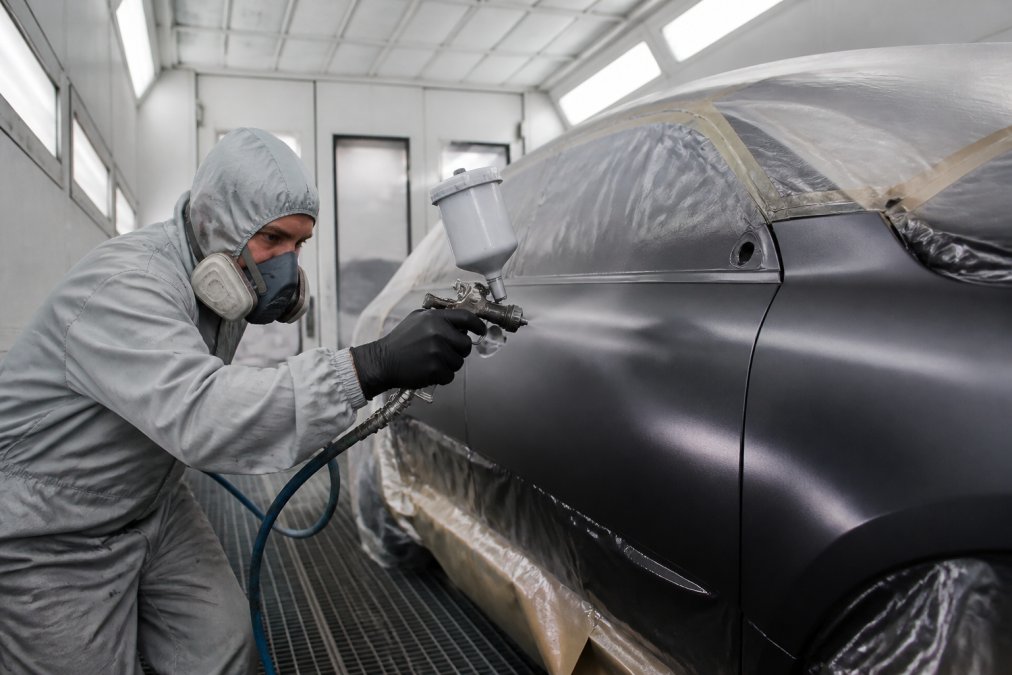
At Rubio's Custom Repair inc, we use premium PPG products because they deliver the durability and color accuracy your vehicle deserves. The painting process requires controlled temperature, humidity, and air quality, conditions only a proper paint booth provides.
How to Choose an Auto Body Shop
Choosing the right professional auto body paint shop matters. Understanding when professional service is necessary versus when DIY works helps you make an informed decision.
DIY vs. Professional: When to Do It Yourself
Small paint chips and minor scratches in the clear coat only are candidates for DIY repair. Touch-up paint kits cost under $20. Clean the area, apply paint with the included brush, and let it cure. The result won't be perfect, but for tiny chips on inconspicuous areas, it's acceptable.
DIY touch-up rarely matches perfectly without proper spray equipment or environmental controls. If the scratch goes through the basecoat to bare metal, DIY won't prevent rust, moisture seeps under the paint and causes oxidation within months.
Minor dents without paint damage can sometimes be popped out using specialized tools, but PDR requires specific tools and significant skill. Attempting it risks making the dent worse or cracking the paint.
When Professional Service Is Essential
If damage exposes bare metal, professional service is non-negotiable. Bare metal rusts within days. Attempting DIY without proper surface preparation and primer application leads to rust under the paint within weeks.
Collision damage always requires professional assessment. Impact damage affects alignment, electrical systems, and safety features. A professional auto body paint shop has equipment to measure frame geometry and identify hidden damage. DIY collision repair risks your safety and resale value.
Large areas requiring repainting demand professional equipment. A proper paint booth maintains temperature, humidity, and air quality that DIY environments can't match. Without these controls, paint won't adhere properly, develops orange peel texture, or cures unevenly.
Cost-Benefit Reality
DIY touch-up costs $15-30 per kit; professional touch-up costs $150-300. When DIY fails, correcting it costs more than the original professional job would have, requiring additional labor to sand away failed paint and reprepare the surface.
For small chips on inconspicuous areas, DIY makes sense financially. For anything visible or structural, professional service saves money long-term by preventing repeat repairs.
Choosing a Professional Auto Body Shop
Once you've determined that professional service is necessary, the selection process matters. Start by checking credentials. Ask whether the shop is BBB-rated and what customer reviews actually say. Real reviews reveal patterns, shops that consistently deliver quality or ones that cut corners.
Ask specific questions about their process. How do they handle estimates? Do they work directly with insurance companies, or will you be stuck coordinating? What warranty backs their work? A professional auto body paint shop stands behind repairs with a written guarantee.
Visit the facility if possible. Look at the paint booth, is it clean and well-maintained? Do technicians wear proper protective equipment? Is the workspace organized or chaotic? These details reflect the shop's standards. Ask about their paint products and systems. Shops using premium materials and modern waterborne or basecoat/clearcoat systems typically deliver better results than those using budget alternatives.
Consider location and turnaround time. A shop 20 minutes away that delivers quality beats a closer shop that cuts corners. Ask how long typical repairs take and whether they can work with your insurance company to minimize your time without a vehicle.
Request a detailed written estimate that breaks down labor, parts, and materials. Vague estimates hide poor planning. A professional auto body paint shop provides specifics so you understand exactly what you're paying for and can compare estimates accurately across shops.
Understanding Auto Body Paint Cost Estimate
The auto body paint cost estimate is where many vehicle owners get nervous. Estimates vary wildly depending on damage severity, repair scope, and shop quality. Understanding what drives the estimate helps you make an informed decision.
An accurate estimate requires a thorough inspection. The technician must assess visible damage and identify hidden issues. Surface preparation time varies dramatically, light scratches take hours, while severe damage requiring panel replacement can take days. Material costs depend on the extent of painting needed. A single-panel touch-up costs far less than repainting an entire side.
Labor rates vary by region and shop quality. A professional auto body paint shop with certified technicians charges more than a discount operation, but you get what you pay for. Cheap labor often means rushed work, inadequate surface preparation, and poor paint quality.
Insurance often covers collision damage, which changes the equation. A professional shop works directly with your insurance company, handling the claim process and ensuring coverage. This saves you from coordinating between the insurer and the shop. Some shops offer additional incentives, Rubio's Custom Repair inc currently offers 50% off your deductible (limited time offer), which can save you hundreds of dollars.
Ask for a detailed written estimate that breaks down labor, parts, and materials. Vague estimates hide poor planning. A professional auto body paint shop provides specifics so you understand exactly what you're paying for.
Car Paint Job Duration: Timeline Expectations
Car paint job duration depends on damage severity and repair scope. A small touch-up takes days. A complete respray takes weeks. Understanding the timeline helps you plan for life without your vehicle.
Simple scratch or dent repairs with minor paint touch-up typically take 3-5 business days. This includes surface preparation, primer, basecoat, clear coat, and curing time. The paint must cure properly, rushing this stage causes adhesion problems and premature failure.
Single-panel repaints take 5-7 business days. Multi-panel work extends to 1-2 weeks. Complete vehicle repaints can take 3-4 weeks, depending on the condition and complexity. Structural repairs add time. If collision damage requires frame straightening or component replacement, add another 1-2 weeks.
Paint curing time is non-negotiable. Modern automotive paint requires specific temperature and humidity conditions to cure properly. A professional auto body paint shop won't rush you out the door with wet paint. The final clear coat needs 24-48 hours of curing before the vehicle is truly ready for daily driving.
Insurance claims sometimes delay timelines. Adjusters may need to inspect the vehicle before work begins.
Quality Assurance: Warranties and Guarantees
A professional auto body paint shop stands behind its work with a written warranty. This is non-negotiable. If a shop won't guarantee repairs, that's a red flag.
Maintenance Guide for New Paint
Your new paint job requires proper care to maintain its appearance and protection. The first few weeks are critical. Avoid automatic car washes for at least 30 days, the brushes can scratch fresh paint. Hand wash gently with soft microfiber cloths and pH-neutral soap.
Frequently Asked Questions
What factors determine the cost of a professional auto body paint job?
Several factors influence the final cost of a professional auto body paint job. The extent of damage, panel size, paint type, and surface preparation requirements all play a role. Color matching complexity and whether the repair requires basecoat and clear coat application affect pricing. Insurance coverage and deductible amounts also impact what you'll pay out of pocket. Contact a professional auto body paint shop for a detailed estimate based on your specific vehicle and damage.
How long does a professional auto body paint job typically take?
Car paint job duration varies depending on damage severity and repair scope. Minor scratch and dent repairs may take a few days, while full panel repainting or complete vehicle restoration can require 1-3 weeks. Surface preparation is critical and takes time to ensure proper adhesion and finish quality. Curing time for basecoat and clear coat also affects the timeline. A professional shop will provide a realistic car paint job duration estimate during your initial inspection.
How can I tell if an auto body shop uses high-quality materials?
Ask whether the shop uses premium automotive paint systems and original parts for repairs. Quality shops use certified products like PPG paints, which offer superior durability and color matching. Inquire about their surface preparation process, paint booth ventilation standards, and whether they employ certified technicians. Check for warranties on their work and reviews mentioning paint quality. A professional auto body paint shop will be transparent about materials and stand behind their finish.
Do professional paint shops offer warranties on their work?
Reputable professional auto body paint shops offer warranties on paint work and repairs. These warranties cover workmanship issues. Warranty terms vary, so ask about specific coverage when requesting your free repair estimate. A shop's willingness to guarantee their work reflects their confidence in quality and commitment to customer satisfaction.