 ultimate-guide
Quality Collision Repair Services 2026: What to Expect
Table of Contents
- Why Quality Collision Repair Services Changed by 2026
- The 2026 Collision Repair Lifecycle: From Estimate to Delivery
- OEM vs Aftermarket Parts for Collision Repair: What Actually Matters
- Post-Repair Safety: ADAS Calibration and Structural Integrity
- How to Spot Dishonest Auto Shops Before You Sign
- Questions to Ask Before Authorizing Collision Repairs
- What a Lifetime Warranty Should Cover and Why It Matters
- Getting Quality Collision Repair Without the Runaround
- Frequently Asked Questions
Last Updated: September 9, 2026
Why Quality Collision Repair Services Changed by 2026
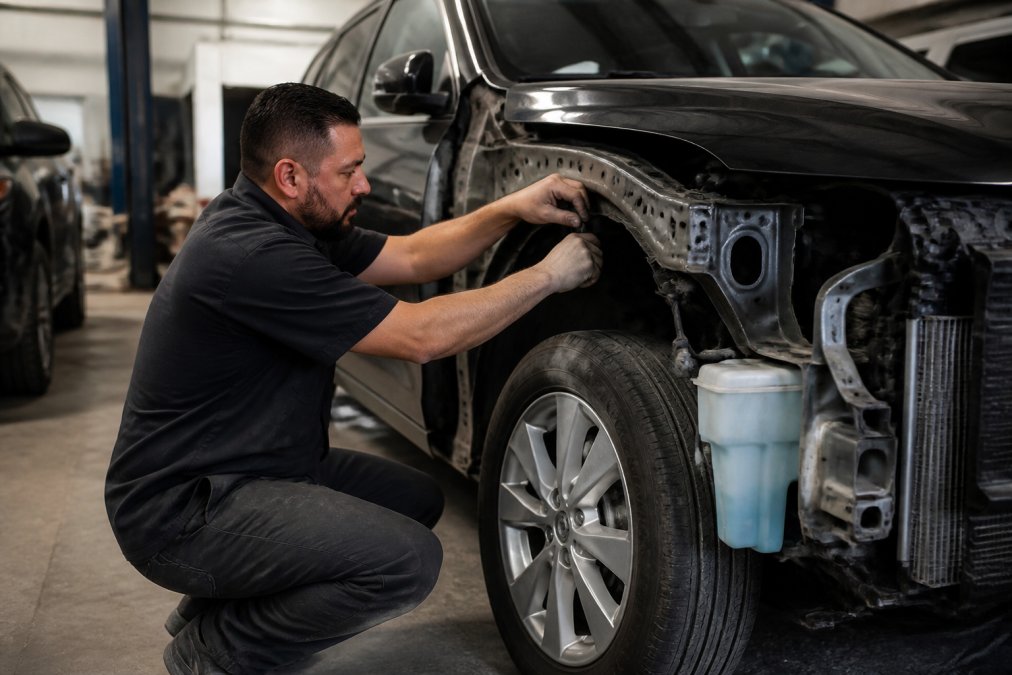
The days of a body shop eyeballing a dent, slapping on filler, and calling it a day are over. Quality collision repair services in 2026 demand precision that barely existed a decade ago, driven by vehicles packed with sensors, cameras, and advanced materials.
Modern cars are no longer just steel and paint. A bumper today might house radar units, and a windshield often contains the cameras that run your lane-keeping assist. Repairing these systems incorrectly doesn't just look bad, it can compromise the vehicle's safety systems in ways you won't notice until an emergency. That reality has forced the entire industry to adopt stricter standards around certified technicians and OEM procedures.
What this means for you is straightforward: the cheapest estimate is rarely the smartest choice. The collision repair services landscape now separates shops that invest in ongoing certification and tooling from those that don't. Before you hand over your keys, understanding what separates them matters more than ever.
The 2026 Collision Repair Lifecycle: From Estimate to Delivery
A professional repair follows a predictable sequence, and knowing it helps you spot when a shop is cutting corners. The 2026 collision repair lifecycle typically begins with a comprehensive damage assessment, moves through parts procurement and structural repair, and ends with post-repair inspection and quality assurance. Each stage has a purpose, and skipping any of them compromises the final result.
The process starts with a detailed repair estimate. A technician documents visible damage, checks for hidden issues like frame misalignment, and reviews the vehicle's diagnostic systems. This is where transparent pricing begins, and a reputable shop will walk you through every line item before work starts.
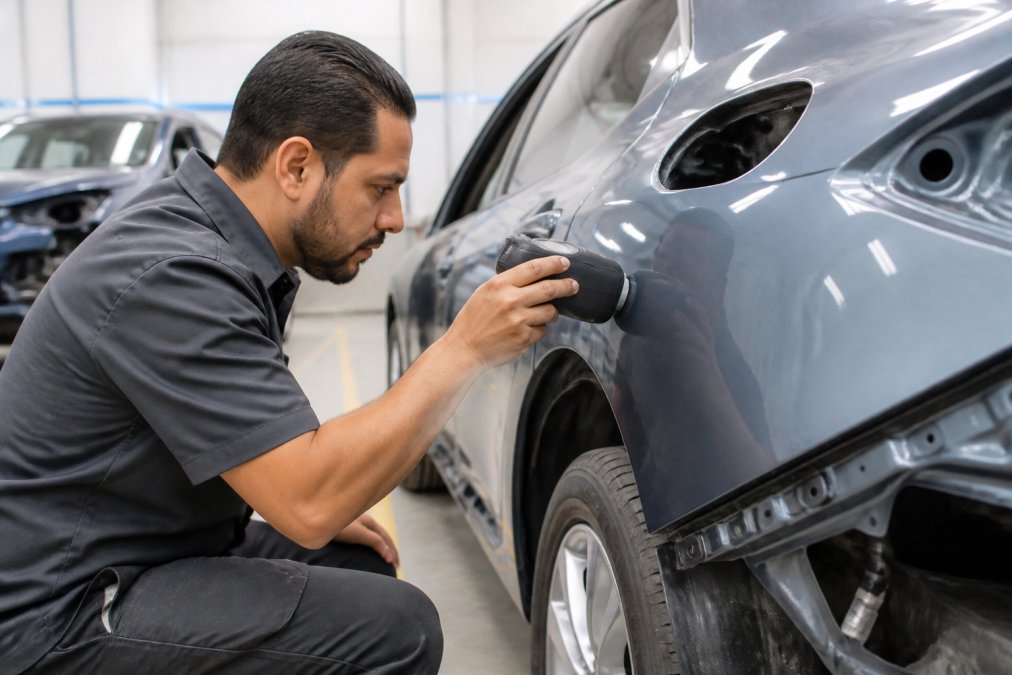
Once approved, the actual work begins. Structural repairs address frame straightening and chassis alignment, while cosmetic work handles bumper repair, body panel replacement, and dent removal. The final steps involve paint matching, using systems that blend color precisely, and a post-repair inspection to verify everything from panel gaps to the alignment of your vehicle safety systems.
OEM vs Aftermarket Parts for Collision Repair: What Actually Matters
One of the biggest decisions in any repair is parts sourcing, and it directly affects fit, safety, and your vehicle's resale value. OEM, or original equipment manufacturer, parts come from your car's maker and are built to exact specifications. Aftermarket parts are made by third parties and can vary widely in quality.
For structural components and safety-critical systems, OEM parts are generally the safer choice. They're engineered to match the original crush zones and mounting points, which matters for how your car performs in a future collision. Aftermarket panels might save money upfront, but fitment issues and inconsistent gauge thickness can lead to problems down the road.
That said, aftermarket parts have their place for purely cosmetic pieces where fit tolerances are less critical. The key is asking your shop which they plan to use and why. A shop that defaults to OEM parts is usually signaling they prioritize quality over profit margin. The National Highway Traffic Safety Administration guidance on replacement parts emphasizes that using proper parts is essential to maintaining a vehicle's structural integrity.
Post-Repair Safety: ADAS Calibration and Structural Integrity
Here's where modern collision repair gets genuinely complex: your car's advanced driver assistance systems, or ADAS, often need recalibration after a repair. ADAS includes features like adaptive cruise control, automatic emergency braking, and blind-spot monitoring. If a shop replaces a windshield or repairs a bumper without recalibrating these sensors, those systems can malfunction.
This is a non-negotiable step for quality collision repair services. Proper ADAS calibration requires specialized equipment and specific procedures that vary by make and model. Some calibrations can be done in-shop, while others require a specific target setup and a flat, well-lit area. Ask your shop directly if they perform ADAS recalibration in-house or if they outsource it.
Structural integrity goes hand in hand with sensor accuracy. A frame that's pulled back to "close enough" rather than to factory spec can throw off wheel alignment and cause uneven tire wear. More concerning, it can compromise the crumple zones designed to protect you in a crash. Insist on a shop that uses computerized measuring systems to verify frame straightening meets OEM tolerances, not just a visual check.
How to Spot Dishonest Auto Shops Before You Sign
The fear of getting burned is legitimate, and unfortunately, the industry has its share of bad actors. Spotting a dishonest shop often comes down to watching for a few specific behaviors before you authorize any work. The first is a refusal to provide a written, itemized estimate. Any shop that pressures you to approve work without documentation is not operating in good faith.
A more subtle red flag is the language used in the estimate itself. A vague line item like "repair front end" or "misc. labor" gives you no basis for comparison. A legitimate shop provides line items that specify the operation (e.g., "R&I front bumper cover"), the parts (with OEM part numbers or aftermarket brand names), and the labor hours. If you see a single lump sum without breakdown, ask for the estimate to be itemized to the level of individual repair operations. The Inter-Industry Conference on Auto Collision Repair (I-CAR) publishes standard repair operations that professional estimators use, and a shop should be able to map their estimate to those operations.
Another common red flag is the "we found more damage" upsell that happens immediately after your car is disassembled. While supplemental damage is sometimes legitimate, a technician cannot see behind a panel until it's removed, a pattern of dramatically inflated final bills suggests the initial estimate was deliberately low to get you in the door. A trustworthy shop will explain the difference between necessary repairs and recommended services, and they'll get your approval before proceeding with anything that changes the cost. Ask specifically: "What percentage of your estimates end up with supplemental charges?"
Also be wary of shops that lack visible certifications or are vague about their training. Reputable technicians pursue credentials like ASE certification and I-CAR training. When you visit a shop, look for those credentials displayed and ask about the team's ongoing education. A shop that invests in its people is far less likely to cut corners on your vehicle.
Questions to Ask Before Authorizing Collision Repairs
Walking into a body shop prepared with the right questions separates informed buyers from those who get taken advantage of. Quality collision repair services hinge on clear communication, so don't be shy about asking for specifics. The answers you get will tell you volumes about how the shop operates.
Start with these questions:
- Are your technicians ASE certified and do they have current I-CAR training?
- Will you use OEM parts, and if not, why?
- Do you perform ADAS calibration in-house?
- Can you provide a written, itemized estimate before any work begins?
- Will you work directly with my insurance company on the claim?
- What does your warranty cover, and is it in writing?
Remember, you're not just paying for paint and parts, you're paying for the expertise to restore your vehicle's safety and value. The Federal Trade Commission advice on auto repair recommends getting a second opinion if you're unsure about a diagnosis or estimate.
What a Lifetime Warranty Should Cover and Why It Matters
A warranty is the shop's promise that they stand behind their work, and it's a powerful indicator of confidence. A lifetime warranty on collision repair services typically covers the workmanship and paint against defects like peeling, fading, or premature rust. It's an assurance that the shop expects the repair to last as long as you own the vehicle.
But "lifetime" means different things at different shops, and the fine print matters more than the marketing language. The most common coverage structure is a workmanship warranty that covers defects in the repair itself, things like paint that bubbles, clear coat that peels, or a panel that develops a rattle because it wasn't fastened correctly. A separate paint warranty from the paint manufacturer typically covers the paint film against defects for a set number of years, but only if the shop used that manufacturer's products and followed their application process.
Before you rely on a warranty, read the fine print. Understand what's covered, what's excluded, and whether the warranty is transferable if you sell the car. Some warranties only apply to the original owner, while others have conditions about where future maintenance must be performed. Clarity here prevents unpleasant surprises later. Ask these specific questions:
- Is the warranty in writing, and can I take a copy home? A verbal promise is not enforceable.
- Who backs the warranty, the shop or the paint manufacturer? If the shop goes out of business, a manufacturer-backed paint warranty may still be honored at another certified shop.
- What voids the warranty? Many warranties are voided by improper washing techniques, applying wax too early, or using abrasive polishes. Some require you to return to the same shop for any future paint work.
- Does it cover labor, or only parts and paint? A warranty that covers the paint but not the labor to re-spray a panel is far less valuable.
A shop that offers a genuine lifetime warranty is making a long-term bet on their own quality. That's a strong signal of a business that values customer satisfaction.
Getting Quality Collision Repair Without the Runaround
Finding quality collision repair services that respect your time and your vehicle doesn't have to be a battle. The process comes down to doing your homework, asking the right questions, and choosing a shop whose values align with yours. A business with a local reputation to protect often provides a level of accountability.
When you find a shop that uses original parts for most repairs, applies premium paint products, and backs the work with a guarantee, you've found a partner worth trusting. Rubio's Custom Repair inc, with over 30 years of experience serving the Manteca area, builds its business on consistent quality and honest communication.
Dealing with insurance is often the most stressful part of the process. A good shop will coordinate directly with your insurer, so you're not stuck in the middle translating between the adjuster and the technician. They'll also help you understand your coverage and any deductible obligations, making the entire experience smoother.
Frequently Asked Questions
How do I know if a collision repair shop is using quality paint products?
Ask which paint brand they use and whether they follow the manufacturer's mixing and curing specifications. Quality shops use premium products like PPG and document the paint code for your vehicle. A reputable shop will show you the product lineup and explain the multi-step process: primer, base coat, and clear coat.
What are the benefits of using OEM parts for collision repair?
OEM parts are built to the exact specifications of your vehicle's manufacturer, which means they fit correctly the first time and maintain the structural integrity engineered into your car. Aftermarket parts can vary in quality and fit, sometimes requiring modification during installation. For safety-critical areas like crumple zones and mounting points, OEM parts help ensure your vehicle performs as designed in a future collision.
How has vehicle technology changed collision repair requirements for 2026?
Modern vehicles contain advanced driver assistance systems (ADAS) with cameras and sensors mounted in bumpers, windshields, and mirrors. After any collision repair affecting these areas, those systems require recalibration to function correctly. A quality collision repair shop in 2026 must have the diagnostic equipment and training to perform this calibration, otherwise your safety systems may not work properly when you need them most.
The collision repair industry has evolved, and so should your expectations. The challenge is finding a provider who combines technical expertise with honest, transparent service. Rubio's Custom Repair inc meets that standard by pairing over three decades of hands-on experience with a commitment to original parts and premium PPG products, all backed by a guarantee on repairs and paint. Schedule an appointment and let their team get you back on the road with confidence.