 ultimate-guide
Signs of Poor Quality Auto Body Repair
Table of Contents
- What Poor Quality Auto Body Repair Looks Like
- Signs of Poor Paint Job Quality
- Panel Alignment, Gaps, and Structural Issues
- Aftermarket vs OEM Parts for Collision Repair
- Auto Body Repair Inspection Checklist
- Red Flags During the Estimate and Repair Process
- Hidden Damage, Safety Systems, and Recalibration
- What to Do if You Suspect Poor Quality Repair
- Frequently Asked Questions
Last Updated: October 1, 2026
What Poor Quality Auto Body Repair Looks Like
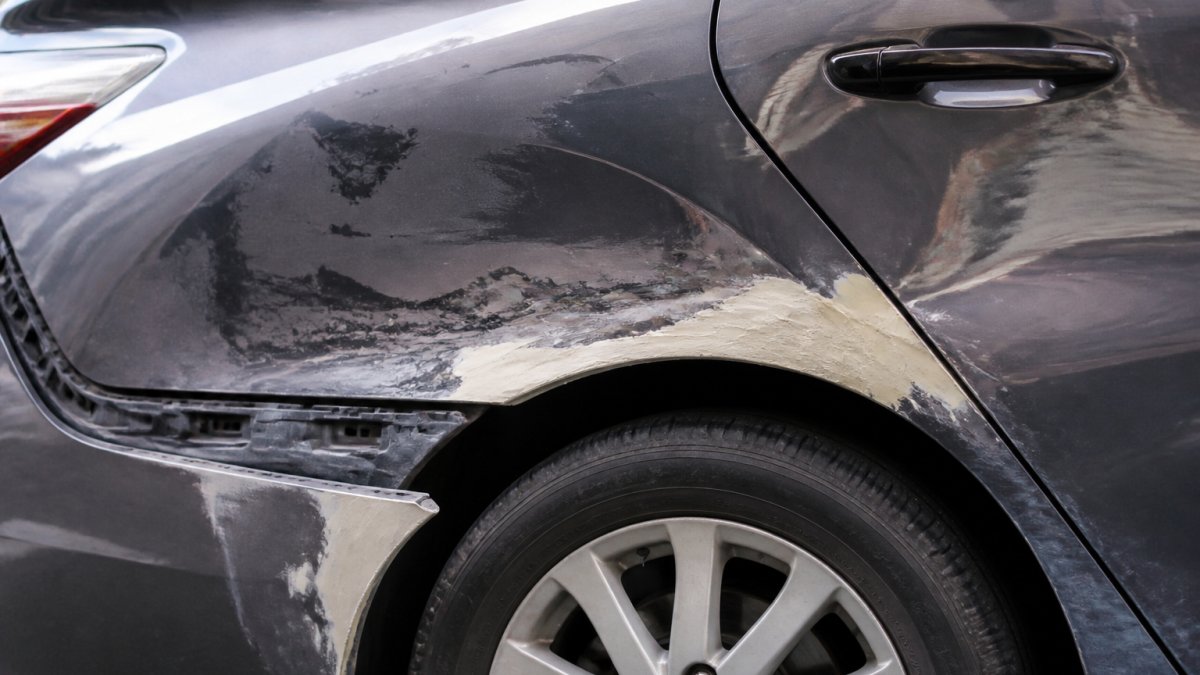
When your vehicle comes back from an auto body shop, you expect it to look and perform like new. But poor quality auto body repair can leave you with cosmetic problems, safety hazards, and expensive second repairs. Understanding the signs of poor quality auto body repair is essential before you pay the final bill, or worse, drive away with hidden damage that could compromise your safety.
At Rubio's Custom Repair inc, we've spent over 30 years helping vehicle owners in the Manteca area recognize the difference between a proper repair and one that cuts corners.
This guide walks you through the visual inspection checklist you need to catch problems early. We'll cover what to look for during the estimate phase, what red flags appear during the repair process itself, and what to do if you suspect poor quality auto body repair has already been completed on your vehicle.
Signs of Poor Paint Job Quality
A quality paint job should look seamless, with consistent color, texture, and gloss across all panels. Poor quality auto body repair often shows up first in the paint, it's the most visible part of the work, and it's where rushed jobs become obvious.
Orange Peel and Texture Defects
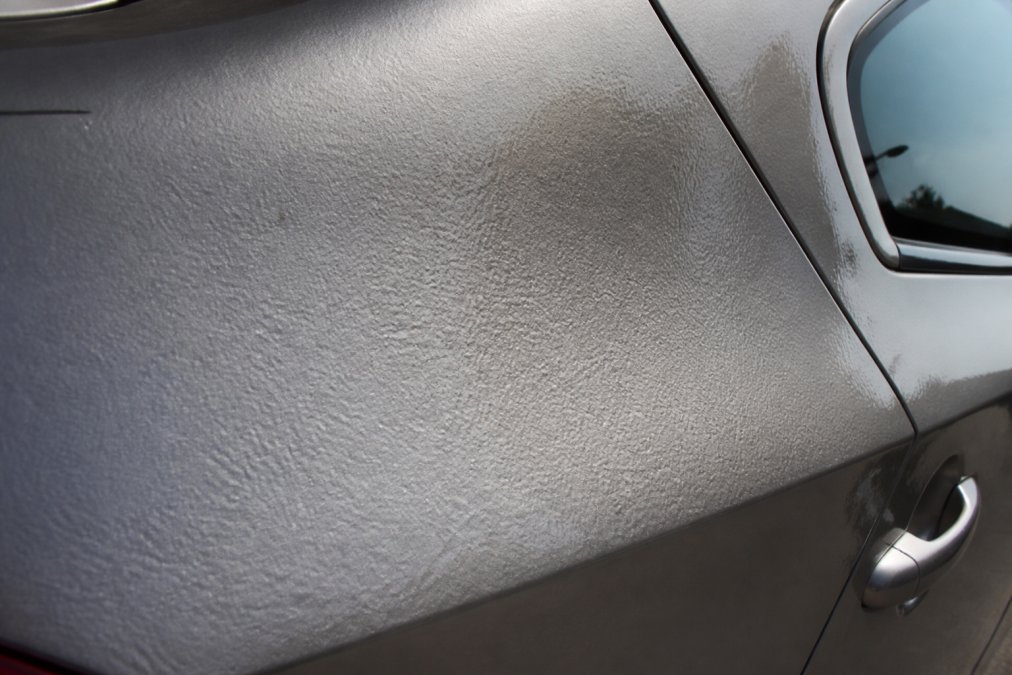
Orange peel is one of the most common signs of poor paint application. It's a bumpy, uneven texture on the painted surface that resembles the skin of an orange. This happens when the paint is sprayed incorrectly, either the spray gun is held too far away, the air pressure is wrong, or the paint is applied too thick. The paint dries before it can level out smoothly.
Run your hand across the painted surface. A quality finish should feel smooth, almost slick. If you feel texture or bumps, that's a red flag. Orange peel isn't just cosmetic, it catches light unevenly and makes the repair obvious to anyone looking at your vehicle. Proper refinishing requires sanding and buffing to smooth the texture, which adds time and cost. Shops that skip this step are cutting corners.
Other texture defects include runs, sags, or drips in the paint, which indicate the paint was applied too thick or the panel wasn't properly masked during spraying.
Overspray, Masking Lines, and Buffing Marks
Overspray is paint that lands where it shouldn't. You'll see it on trim, rubber seals, glass, or adjacent panels that weren't supposed to be painted. This happens when the painter doesn't properly mask off areas before spraying. Quality body shops spend time carefully taping and protecting everything that shouldn't get paint.
Look closely at the edges where painted panels meet trim, door seals, and window frames. Overspray should be zero. If you see paint on rubber or plastic components, or if the paint line is rough instead of clean, that's poor quality auto body repair.
Masking lines are visible edges where the tape was removed. In a proper repair, you shouldn't see a hard line between painted and unpainted areas, the transition should be smooth or blend naturally with the panel edge. A visible masking line means the painter didn't blend the paint correctly.
Buffing marks and swirl marks appear when the paint is polished or buffed to remove imperfections, but the work is done carelessly. You'll notice circular patterns or streaks in the paint when you look at it in sunlight. These marks indicate the final finishing step was rushed.
Run your fingers along the painted surface in different directions under bright light. Quality paint should feel smooth with no visible marks or lines. If you feel ridges or see circular patterns, the refinishing wasn't done properly.
Panel Alignment, Gaps, and Structural Issues
Beyond paint, poor quality auto body repair shows up in how panels fit together. Misaligned panels and uneven gaps indicate the structural work was done incorrectly or the body shop didn't properly measure and align the frame.
Check the gaps between all panels: doors, fenders, hood, trunk, and side panels. These gaps should be consistent and even. If one gap is wider on top and narrower on the bottom, or if a panel sits higher or lower than it should, that's a sign of poor alignment. Uneven panel gaps also cause wind noise and water leaks over time.
Open and close doors, hood, and trunk. They should operate smoothly without rubbing or sticking. If a door requires extra force to close, or if it doesn't align properly with the body, the frame or hinges weren't set correctly. This is more than a cosmetic issue, it affects the structural integrity of your vehicle.
Look at the body lines along the side of the vehicle. These should be straight and consistent from front to back. If you see a dip, kink, or misalignment in the body line, the frame or panel wasn't properly straightened during the repair.
Aftermarket vs OEM Parts for Collision Repair
One of the biggest cost-cutting measures in poor quality auto body repair is using aftermarket parts instead of OEM (original equipment manufacturer) parts. While aftermarket parts are less expensive, they often don't fit as precisely, and they may not meet the same safety standards.
Auto Body Repair Inspection Checklist
Use this checklist to evaluate the quality of auto body repair work before you accept the vehicle:
Paint Quality:
- Paint color matches the rest of the vehicle under natural light and indoors
- No overspray on trim, glass, or adjacent panels
- No visible masking lines or rough paint edges
- Surface is smooth with no orange peel, runs, or drips
- No buffing marks or swirl marks visible under bright light
- Clear coat is glossy and uniform across all repaired panels
Panel Alignment and Fit:
- All panel gaps are even and consistent
- Doors, hood, and trunk open and close smoothly
- No rubbing or sticking when operating panels
- Body lines are straight and consistent
- No dips, kinks, or misalignment in the body
Parts and Components:
- Repair estimate specified OEM or quality aftermarket parts
- All fasteners, clips, and trim are properly installed
- Bumpers and trim align correctly with body panels
- No loose or rattling components
Safety and Structural:
- Repair estimate includes ADAS recalibration if applicable
- All safety systems function properly
- No visible frame damage or welding issues
- Alignment is correct (steering wheel centered, vehicle drives straight)
Red Flags During the Estimate and Repair Process
The estimate phase is where you can catch problems before they happen. Pay attention to how the shop handles the estimate and what they're willing to explain.
Estimate red flags:
- The shop won't itemize parts or labor clearly
- They push you toward aftermarket parts without explaining the difference
- They rush through the inspection without measuring or documenting damage
- They won't discuss ADAS recalibration or other safety system work
- The estimate seems unusually low compared to other quotes
- They pressure you to use their insurance claim process without letting you review it
During the repair:
- The shop won't let you inspect the work in progress
- They avoid answering questions about their process or materials
- Timeline keeps extending without explanation
- They recommend additional repairs that weren't in the original estimate
- Staff appears rushed or disorganized
After pickup:
- Paint doesn't match in different lighting conditions
- Panels don't align properly or have uneven gaps
- You notice overspray, masking lines, or texture problems
- Doors or panels stick or rub
- New noises appear (wind noise, water leaks, rattling)
Hidden Damage, Safety Systems, and Recalibration
Poor quality auto body repair often misses hidden damage that's not immediately visible. After a collision, damage extends beyond what you can see, frame damage, suspension components, and safety systems can all be affected.
What to Do if You Suspect Poor Quality Repair
If you've already picked up your vehicle and suspect poor quality auto body repair, act quickly. Document everything with photos and video, especially any visible defects like overspray, paint texture, or panel misalignment.
Frequently Asked Questions
What are the most common signs of a bad paint job?
Common paint defects include orange peel texture (bumpy, uneven surface), overspray on trim or glass, visible masking tape lines, color mismatch between panels, and swirl marks or buffing marks on the clear coat. These issues indicate the technician rushed the refinishing process or used substandard materials. Poor paint jobs also show clear coat failure over time, with peeling or clouding appearing within months of repair.
How can I tell if body panels were replaced with aftermarket parts?
Check the part's fit, finish, and fasteners. Aftermarket parts often have slightly looser panel gaps compared to OEM parts, may have visible seams or imperfect welds, and sometimes lack the exact trim clips and fasteners that match your vehicle's original design. Ask your shop directly whether parts are OEM or aftermarket before repair begins. Reputable shops use OEM parts and will document this in your estimate and warranty.
Can poor auto body repair affect vehicle safety?
Yes. Improper structural repairs, inadequate body filler application, or skipped ADAS recalibration can compromise your vehicle's safety systems and crash protection. Modern vehicles rely on sensors and cameras for collision avoidance and airbag deployment. If these systems aren't recalibrated after repair, they won't function correctly in a real accident. Always verify that post-repair diagnostic scanning was performed to confirm all safety systems are operational.
What should I look for during an auto body repair inspection?
Use a systematic checklist: examine panel gaps for consistency, check paint color matching in natural light, look for overspray and masking lines, inspect trim and fasteners for alignment, run your hand across surfaces for texture defects, verify that all originally damaged components were repaired or replaced, and request post-repair diagnostic scans to confirm safety system recalibration. Document everything with photos before leaving the shop.
Poor quality auto body repair can cost you far more than the original collision damage. When you're facing a repair estimate, take time to inspect the work carefully, ask questions about materials and processes, and choose a shop that prioritizes quality over speed. If you're in the Manteca area and need collision repair you can trust, Rubio's Custom Repair inc is ready to help. Schedule an appointment today and get 50% off your deductible on qualifying repairs.