 How-to
How to Get a Second Opinion on Car Repairs: 7 Steps
Last Updated: November 21, 2026
Quick Summary
A second opinion on car repairs means having another qualified mechanic inspect your vehicle and review the first shop's findings before you approve the work. It is worth doing when the repair is expensive, the diagnosis doesn't match your symptoms, or the work involves brakes, steering, or other safety systems.
- Gather the written estimate, diagnostic report, photos, and service records before calling another shop.
- Ask the first shop to show you the failed or worn part.
- Confirm the diagnostic fee and whether it is credited toward the repair.
- Compare estimates line by line, using the same part types and labor hours.
- Check the shop's California Bureau of Automotive Repair registration before booking.
Table of Contents
- When a Second Opinion on Car Repairs Is Worth It
- Step 1: Gather Your Documents and Repair Information
- Step 2: Ask Questions to a Mechanic About the Repair
- Step 3: Understand the Car Repair Diagnostic Fee
- Step 4: How to Compare Auto Repair Estimates Side by Side
- Step 5: Getting a Second Opinion on Car Repair Estimates in Manteca
- What to Do If Your Car Is Still at the Original Shop
- Booking Your Next Repair Inspection with Rubio's Custom Repair
- Frequently Asked Questions
When a Second Opinion on Car Repairs Is Worth It
A surprise repair bill makes any car owner nervous, and when a shop calls with a long list of fixes, the first question is whether all of it is really needed.
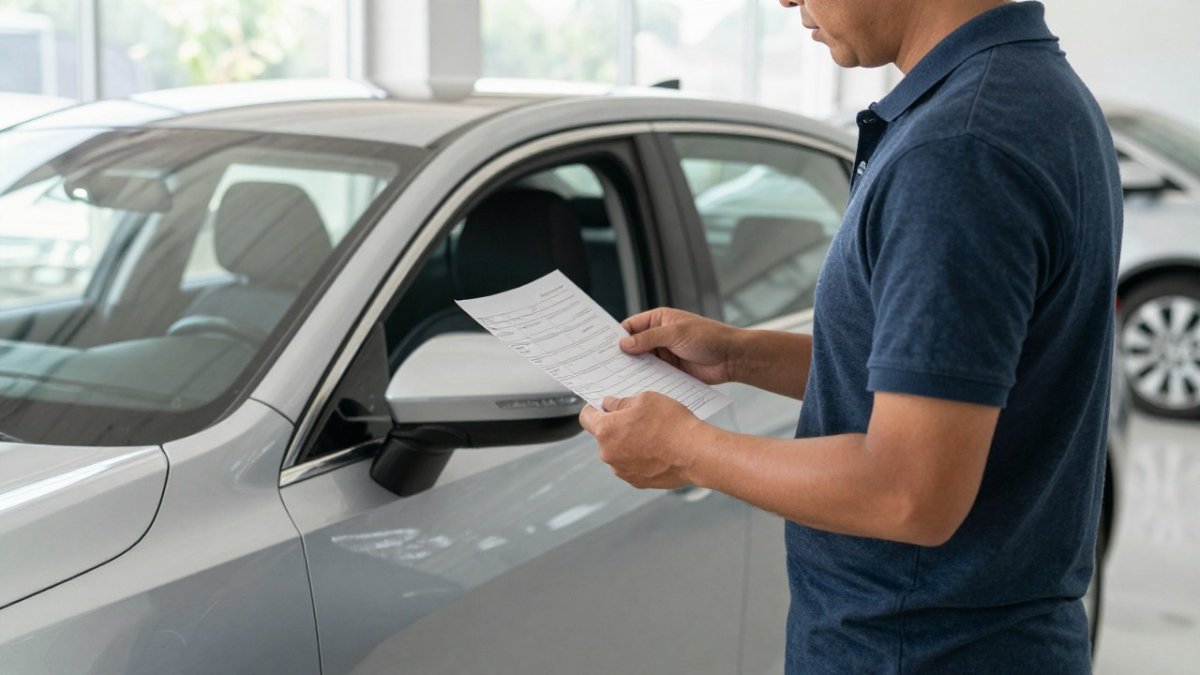
A second opinion is worth the time when the repair is expensive, when the diagnosis doesn't match what you're seeing, or when the work involves safety systems like brakes or steering.
Wait when the car is unsafe to drive or a delay could cause more damage. Ask the shop whether the vehicle can be driven safely before deciding anything else; if it can't, a tow to another shop may be the better move.
Check the basics before you decide:
- Is the repair expensive or time-consuming?
- Does the diagnosis explain the symptom you actually noticed?
- Did the shop show you the damaged or failed part?
- Does the repair involve brakes, steering, airbags, or tires?
- Are you being asked to decide today?
Step 1: Gather Your Documents and Repair Information
Before you call another shop, collect everything the first shop gave you. A second mechanic can only judge what they can see, so the paperwork matters.
Gather these items:
- The written repair estimate or invoice
- The diagnostic report, if there is one
- Photos of the damage or problem, if you have them
- Your service and maintenance records
- Any notes about when the problem started
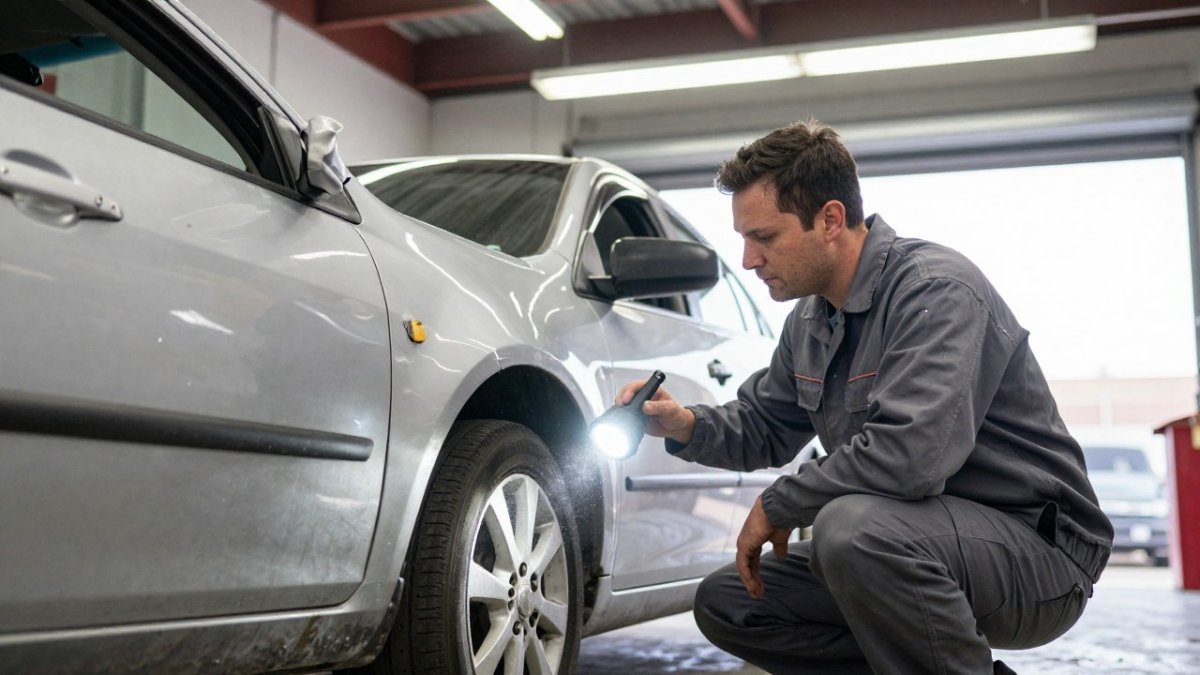
Ask the first shop for the failed part if they replaced it. Seeing the failed part can help a second mechanic confirm the diagnosis.
Write down the symptoms in your own words. Note what you hear, feel, or see, and when it happens. For example, "grinding when braking at low speed, started last week" is more useful than "brakes are bad."
Step 2: Ask Questions to a Mechanic About the Repair
Good questions help you understand the repair, not just approve it. Ask the first shop to explain the problem in plain language before you accept the work.
Useful questions include:
- What exactly failed, and how did you confirm it?
- Can you show me the worn or leaking part?
- Is this repair required now, or can it wait?
- What happens if I don't fix it right away?
- Which parts are original, aftermarket, or remanufactured?
- Is the labor time based on a standard guide?
Keep the tone calm and neutral. You are gathering information, not accusing anyone. A reputable shop will answer clearly and won't mind the questions.
When you contact a second mechanic, ask them the same questions. Share the symptoms and the findings, but avoid leading them toward a particular answer. Let them look at the car and form their own view.
Step 3: Understand the Car Repair Diagnostic Fee
Many shops charge a diagnostic fee to find the cause of a problem. This fee pays for the technician's time and equipment. It is separate from the repair itself.
Ask about the diagnostic fee before you agree to it, including whether it is credited toward the repair if you approve the work. Pricing depends on the shop, so get the exact amount in writing before any work begins.
A second opinion may mean a second diagnostic fee. That can feel wasteful, but it is often worth it when the repair cost is high. Ask the second shop whether they will do a quick inspection at a lower cost or review the first shop's written findings.
Keep receipts for every diagnostic fee to track what you paid and the total cost of getting an answer.
Step 4: How to Compare Auto Repair Estimates Side by Side
Comparing estimates is where a second opinion pays off. Put the two estimates next to each other and look at the same categories.
Check these items on each estimate:
| Item | What to Look For |
|---|---|
| Parts | Part names, brand, and whether they are new, used, or remanufactured |
| Labor | Hours quoted and the hourly rate |
| Diagnostics | Whether a fee is listed and if it is credited |
| Taxes and fees | Shop supplies, environmental fees, and sales tax |
| Warranty | Length of coverage on parts and labor |
Compare on an apples-to-apples basis. If one estimate uses aftermarket parts and the other original parts, the totals won't match for that reason alone, so ask each shop to quote the same part type.
Watch for vague line items like "misc repairs" or "shop supplies" with no amount. Ask what each one covers. A clear estimate lists each job, the part, and the labor hours.
Here is a simple way to score each estimate:
- Does every line item have a clear reason?
- Are the parts and labor listed separately?
- Does the estimate match the diagnosis?
- Is the warranty stated in writing?
Estimates that pass all four checks are easier to trust.
Step 5: Getting a Second Opinion on Car Repair Estimates in Manteca
In Manteca or the surrounding San Joaquin County area, the quality of a second opinion depends on how carefully you verify the shop before you hand over the keys.
Start by confirming the shop is registered with the California Bureau of Automotive Repair (BAR), and check the BAR website for registration status and public disciplinary history.
Match the shop to the work. A general repair shop is fine for brakes, suspension, cooling, and check-engine diagnostics, but collision, frame, and paint work call for the right equipment and training.
Use these local steps:
- Look up the shop's BAR registration and any disciplinary history on the BAR website
- Read recent reviews, and pay attention to reviews that describe the diagnosis and the final bill, not just friendliness
- Confirm the shop has a physical Manteca address you can visit
- Ask whether they provide a written estimate before any work begins and whether they will put the diagnostic findings in writing
- Ask about their warranty on parts and labor, and get the terms in writing
- Ask whether they can coordinate with your insurance if the repair is from a collision
California repair rules matter here. The estimate should be itemized enough to show parts, labor, and diagnostic charges.
Compare the two estimates on an apples-to-apples basis: the same part type (original, aftermarket, or remanufactured), the same labor hours, and the same diagnostic fee treatment. A lower total that uses aftermarket parts or skips a diagnostic step is not the same repair. Write down the labor rate, parts brand, warranty length, and whether the diagnostic fee is credited.
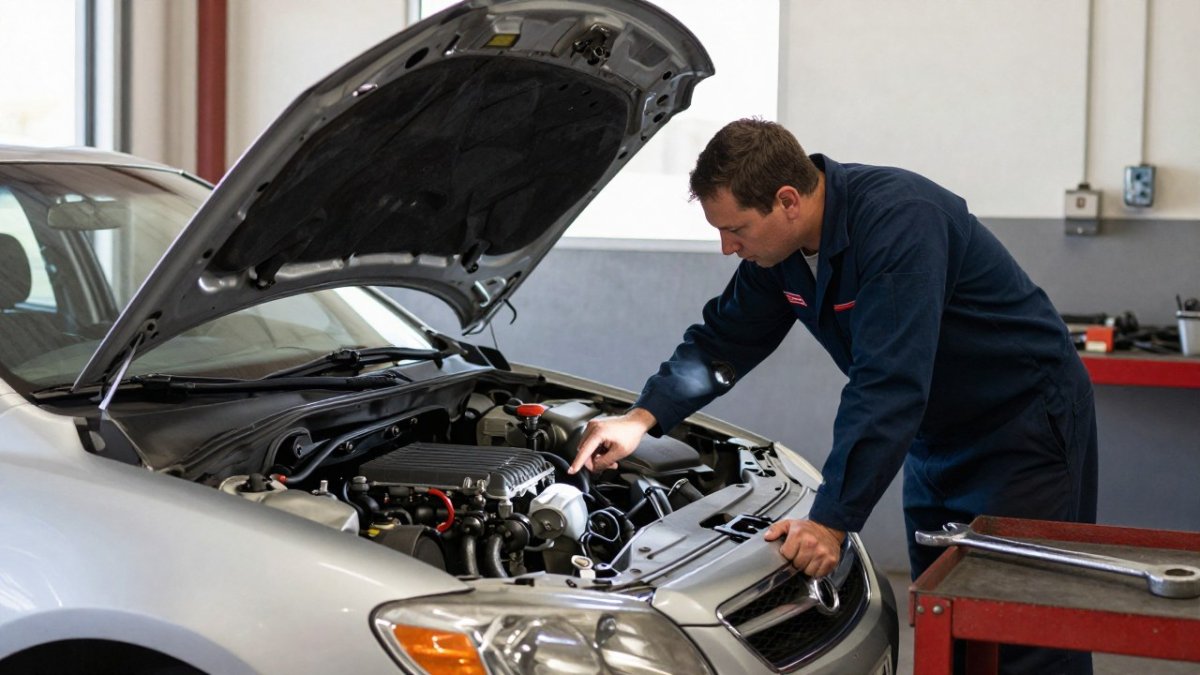
Watch out: a second opinion from a shop that has not seen the car, or that only reviews paperwork, can miss a safety problem that is visible only on a lift.
What to Do If Your Car Is Still at the Original Shop
Sometimes the car stays at the first shop while you decide.
First, ask the original shop for a written statement of the findings and estimate, including diagnostic trouble codes, tests performed, and recommended parts.
Second, ask whether the car can be released without the work being done.
Third, decide how the second opinion will happen. There are three practical paths:
- Inspection at the original shop. Ask the original shop whether an independent technician can inspect the vehicle on their premises. Some shops allow it; some do not. If they allow it, get the time, the access rules, and any fee in writing.
- Document-based review. Ask the second shop whether they will review the first shop's written findings, photos, and diagnostic codes for a fee. This is useful for smaller repairs and for a sanity check on parts and labor pricing, but it is less reliable for safety or structural work because the reviewer cannot see the car.
- Move the vehicle. If the car is drivable and safe, you can drive it to the second shop. If it is not, arrange a tow. Confirm the tow cost and the drop-off time with the second shop before the car moves.
Watch out: if the car is disassembled and you move it without a written reassembly agreement, you may pay twice for the same labor. Get the reassembly scope and cost in writing before the tow truck arrives.
If the car is unsafe to drive, do not move it yourself. Ask the original shop whether it can be driven safely, and if the answer is no, arrange a tow.
Keep a simple log of every call: the date, the person you spoke with, what they said, and what they agreed to.
Booking Your Next Repair Inspection with Rubio's Custom Repair
If you are looking for a second opinion on a collision or paint repair, Rubio's Custom Repair inc is a local option in Manteca. Our shop is family-owned and operated, and we have more than 30 years of experience in auto body work. We use original parts for most repairs and PPG paint products.
You can book a drain inspection or read our guide to finding an honest local mechanic to get started. If you want to check whether a recommended repair is necessary, learn the warning signs of unneeded car repairs before you decide.
If your car is still at another shop and you want to weigh the cost of moving it, see whether driving to a new shop is worth it. To compare the estimates you already have, learn how to verify auto repair estimates before you approve work, and see what a complete collision estimate should include.
Schedule an appointment with Rubio's Custom Repair inc to get a clear, written assessment of your vehicle.
Frequently Asked Questions
When should I get a second opinion on car repairs?
Get a second opinion when the repair estimate is high, when the recommended work does not match the symptoms you noticed, or when the shop asks you to approve major work that you did not expect. It also makes sense when the diagnosis seems vague, such as a general claim that a component is failing without clear evidence. Ask the first shop to show you the worn or damaged part and explain what is failing and why. If the explanation still leaves you unsure, a second shop can review the same symptoms and the written estimate before you authorize anything.
How do I get a second opinion on a car repair estimate?
Request a copy of the written, itemized estimate from the first shop, including parts, labor hours, and any diagnostic fee. Then contact another independent repair shop, describe the symptoms and the recommended work, and ask whether they would perform the same repair. Most shops will review an estimate and give you their own assessment, though some may charge a diagnostic fee for a full inspection. Compare their findings against the first estimate before deciding where to have the work done.
Can I get a second opinion if my car is already at the repair shop?
Yes. You can ask the original shop to stop work, return the vehicle, and release your paperwork, though you may need to pay any diagnostic fee already incurred. Confirm the vehicle's condition and what has been done so far, then arrange a tow or drive to a second shop. Ask the first shop for a copy of the diagnosis and any findings before you leave, since the second mechanic will need that information.
What should I bring when getting a second opinion on car repairs?
Bring the written estimate from the first shop, your vehicle's maintenance and service records, the make, model, year, and mileage, and a list of symptoms with when they started. If you have photos or videos of the problem, such as a warning light or a noise, bring those too. Having these documents ready helps the second mechanic give a faster, more accurate assessment and makes it easier to compare findings with the first shop.