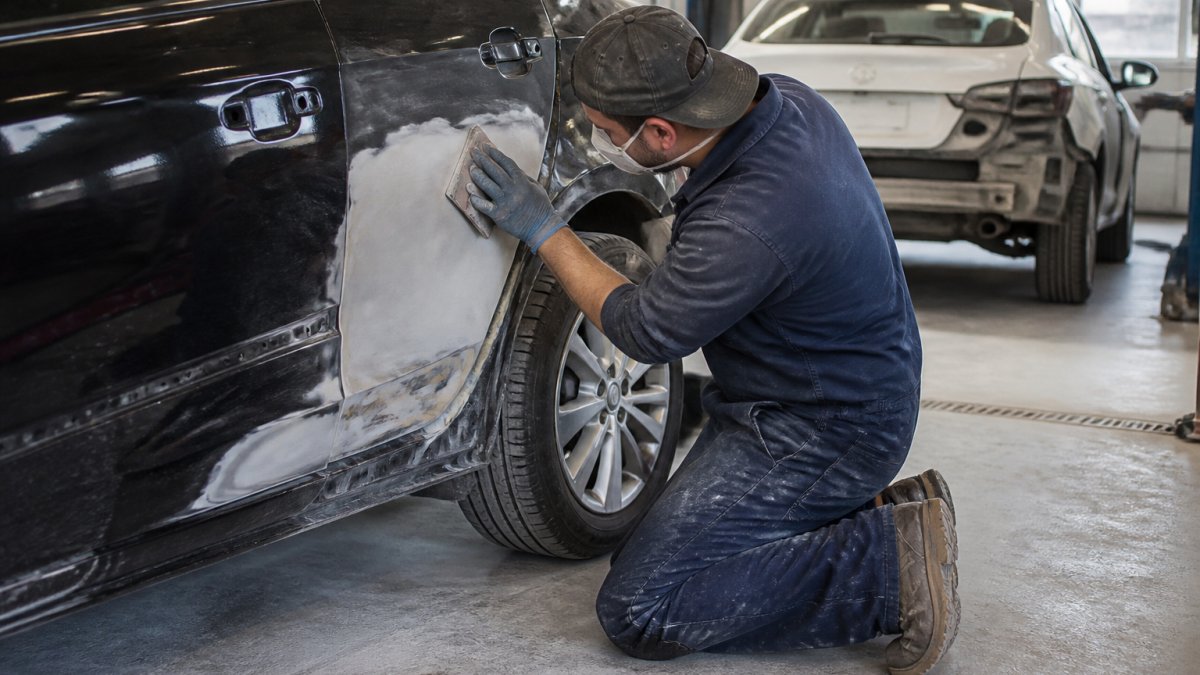
 how-to
Auto Body Repair Time Estimates: A Complete Guide
Table of Contents
- Understanding Auto Body Repair Time Estimates
- How Long Do Auto Body Repairs Take by Damage Type
- Factors Affecting Collision Repair Time
- Your Step-by-Step Repair Timeline from Drop-Off to Pickup
- Questions to Ask a Body Shop About Repair Time
- How to Check Car Repair Status and Track Progress
- Frequently Asked Questions
Last Updated: October 5, 2026
Understanding Auto Body Repair Time Estimates
When your car is damaged in a collision, the first question is always: how long will this take? At Rubio's Custom Repair inc, we give clear answers about auto body repair time and what affects the timeline from drop-off to driving home.
The answer isn't simple: a small dent takes hours, a major structural repair takes weeks. But most people miss a critical distinction, the time a technician spends working versus the total calendar time from drop-off to pickup.
The difference between labor time and calendar time
Labor time is how many hours a technician actually spends repairing your vehicle. Calendar time is how many days pass from drop-off to pickup. These are rarely the same.
A repair might need 40 hours of labor, but if the shop is busy, parts arrive late, and paint cures overnight, calendar time can stretch to two weeks.
What a repair estimate actually tells you
A repair estimate breaks down the damage and predicts cost and time, showing labor hours, parts, and sometimes a completion date. But estimates have limits.
Labor hours assume the technician starts immediately and works uninterrupted.
A good estimate gives a realistic range, not a guarantee, "this repair typically takes 5-7 business days," not "exactly 5 days."
How Long Do Auto Body Repairs Take by Damage Type
Different damage requires different amounts of time. Knowing each category helps you predict your timeline.
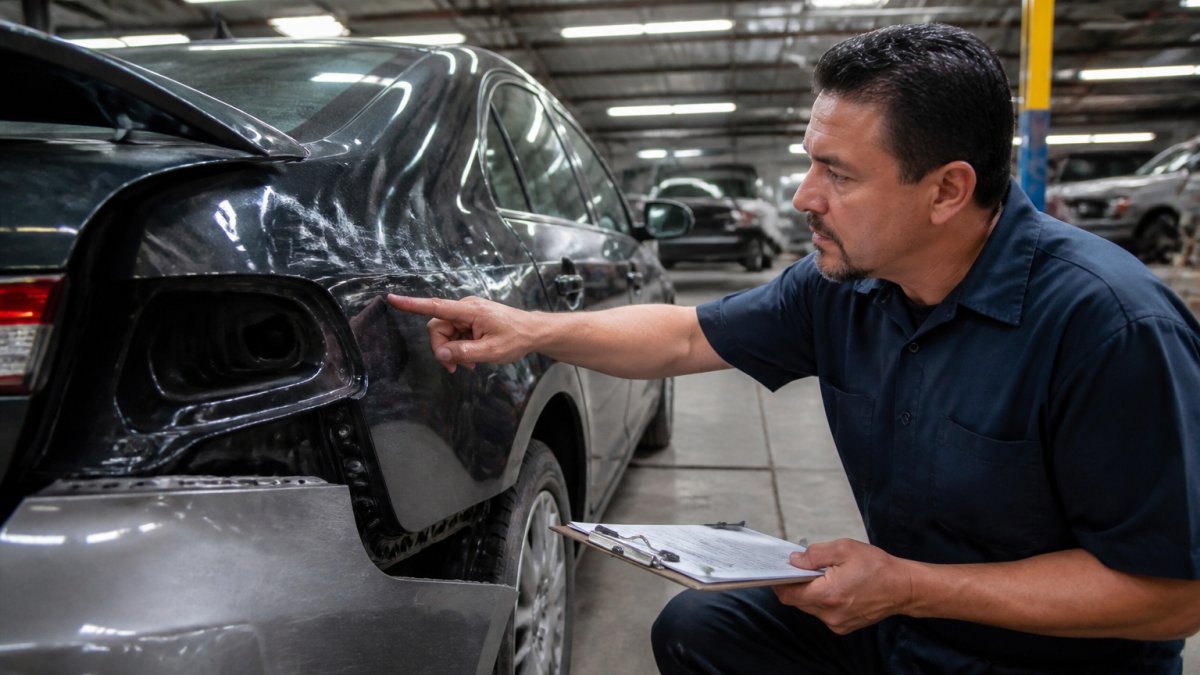
Minor damage: scratches, dents, and bumper repairs
Minor damage includes small scratches, dents that don't affect the frame, and bumper repairs. These are the fastest fixes.
A scratch needing repainting takes 4-8 labor hours, a dent without paint damage 2-4 hours, and a bumper repair or replacement 3-6 hours.
The catch: if the shop is booked, your car may wait days before work starts, so a simple repair can still take a week.
Moderate damage: panel repairs and repainting
Moderate damage includes dents affecting multiple panels, larger paint damage, and repairs needing new parts but not touching the frame.
Panel replacement and repainting takes 8-20 labor hours, or 2-3 days. Paint curing adds 24 hours before reassembly, and parts ordering adds 2-5 days if not in stock.
Calendar time is typically 5-10 business days, assuming parts arrive on schedule and the shop starts within a day or two.
Major damage: structural repairs and extensive bodywork
Major damage includes frame bending, multiple panel replacements, suspension or steering damage, and extensive paint work, the longest repairs.
Structural repairs require specialized equipment and skilled technicians, taking 30-60+ labor hours: 5-10 hours of disassembly, 10-20 hours of frame straightening, then reassembly, alignment, and paint testing.
Calendar time stretches to 2-4 weeks or longer.
Factors Affecting Collision Repair Time
Damage type sets a baseline, but several other factors can speed up or slow down your repair. Understanding them helps you manage expectations and spot delays.
Parts availability and ordering delays
Parts are the biggest variable. If your car needs a specific door panel, fender, or bumper, the shop must order it.
An in-stock part means no delay; a regional warehouse part takes 2-5 days; a special-order manufacturer part can take 7-14 days or longer.
This is why a repair estimate should specify parts sourcing. Ask your shop: Is this part in stock? If not, how long until it arrives?
Insurance approvals and supplemental estimates
Insurance claims add time. When you file a claim, the insurer reviews and approves the estimate, taking 1-3 business days on average.
Once work starts and the shop disassembles your vehicle, hidden damage often appears, rust under panels, bent frame rails, or internal damage invisible initially.
If insurance denies the supplement or requests more details, delays stretch longer.
Shop workload and scheduling
A shop's workload directly affects calendar time: five cars ahead means a later start, one car ahead means sooner.
Seasonal peaks matter too. Spring and summer see more accidents, so shops book weeks ahead, a 5-day repair in January might take 10 days in June.
Ask your shop: When can you start? How many cars are ahead of mine? This gives you a realistic start date.
Hidden damage discovered during disassembly
You can't see everything in a visual inspection. Once the shop disassembles your vehicle, hidden damage emerges. Bent frame rails. Cracked welds. Damaged suspension components.
Each discovery adds time. The technician stops, documents the damage, submits it to insurance, waits for approval, orders new parts, and then continues.
This is normal and unavoidable.
Your Step-by-Step Repair Timeline from Drop-Off to Pickup
Here's what actually happens from the moment you drop your car off to the moment you drive it home. Understanding each phase helps you know what's normal and when to follow up.
Day 1: Vehicle inspection and damage assessment
You arrive at the shop with your car. The intake process takes 30 minutes to an hour.
A damage assessment follows. The technician inspects the vehicle thoroughly, looking for visible damage and potential hidden issues. This takes 1-2 hours depending on damage severity.
By end of day 1, the shop has a complete picture of what needs repair.
Days 2-3: Estimate preparation and insurance coordination
The shop prepares a detailed repair estimate. This lists every damaged part, labor hours needed, and parts cost. It includes photos and descriptions.
If you have insurance, you submit the estimate to your insurer. Insurance reviews it and approves or requests clarification. This takes 1-3 business days. If approved, you're cleared to proceed.
During this phase, your car sits in the shop lot untouched. Nothing is being repaired yet. But this coordination is essential.
Days 4+: Parts ordering, disassembly, and repair work
Once insurance approves (or you authorize the repair), actual work begins. The shop orders any parts not in stock. In-stock parts ship immediately.
While waiting for parts, the shop can start disassembly. Removing damaged panels, bumpers, lights, and trim. This takes 2-5 hours depending on damage scope.
Repair work proceeds as parts arrive. Frame straightening, panel replacement, welding, grinding, fitting. This is the bulk of the labor time. A minor repair takes 4-8 hours.
Final phase: Paint curing, reassembly, and quality inspection
Once bodywork is complete, painting begins. Surface prep, primer, base coat, clear coat. Painting takes 4-8 hours depending on area size. Then paint cures.
Reassembly follows. Installing panels, bumpers, lights, trim, glass. This takes 2-4 hours.
If everything passes, your car is ready for pickup. If issues appear, the shop makes corrections and reinspects. This final phase adds 2-3 days to the timeline.
Questions to Ask a Body Shop About Repair Time
Asking the right questions gives you clarity and helps you spot potential issues early. Here's what to ask.
Understanding labor hours and completion dates
Ask: "How many labor hours does this repair require?" The shop should give you a specific number: 15 hours, 40 hours, 60 hours. This tells you the actual work time.
Then ask: "When can you start?" and "When will this be completed?" The start date matters as much as the labor hours.
Ask for a completion date range, not a single date. "5-7 business days" is realistic.
Clarifying parts sourcing and potential delays
Ask: "Are these parts in stock?" For each major part, know if it's available now or needs ordering.
Ask: "What happens if a part is backordered?" Does the shop have a backup supplier? Will they notify you immediately? Can they start other work while waiting?
Confirming quality standards and your guarantee
Ask: "What's your guarantee on this repair?" A reputable shop stands behind its work. Ask what's covered and for how long.
Ask: "How do you ensure paint matches?" Paint matching is an art. Ask if they use a spectrophotometer or match by eye. Ask how they handle mismatches.
Ask: "Can I see the repair in progress?" Some shops allow this. Seeing your car mid-repair builds confidence and lets you spot issues early.
How to Check Car Repair Status and Track Progress
Once your car is in the shop, you want to know what's happening. Here's how to stay informed without being annoying.
Requesting regular updates from your repair shop
Ask your shop upfront: "How often will you update me?" Some shops call daily. Some call when major milestones are hit. Establish expectations early.
Request photo updates. Ask the shop to text or email photos as work progresses. This shows you what's been done and builds confidence.
If you don't hear from the shop for several days, call and ask for an update. A simple "What's the status?" is fair.
Understanding what delays mean and next steps
If insurance denies a supplement, ask: "What are our options?" Can the shop proceed without that repair? Can you pay out of pocket? Can insurance reconsider?
Delays happen. The key is communication. A shop that keeps you informed is managing the repair properly.
Getting your car back on the road after a collision takes time. The timeline depends on damage severity, parts availability, insurance coordination, and shop workload.
At Rubio's Custom Repair inc, we've guided vehicle owners through this process for over 30 years. When you're ready to move forward with your collision repair, schedule an appointment with Rubio's Custom Repair inc and let us get you back on the road.
| Repair Phase | Typical Duration | What Happens | Key Variables |
|---|---|---|---|
| Inspection & assessment | 1-2 hours | Damage documented, photos taken | Damage complexity |
| Estimate & insurance approval | 1-3 business days | Shop prepares estimate, insurer reviews | Insurance response time |
| Parts ordering | 2-10 business days | Out-of-stock parts ordered | Part availability |
| Disassembly | 2-5 hours | Damaged components removed | Damage extent |
| Repair work | 4-60+ hours | Bodywork, frame straightening, welding | Damage severity |
| Paint & curing | 4-8 hours + 24 hours | Painting and drying | Shop schedule |
| Reassembly & inspection | 2-4 hours | Components reinstalled, final checks | Quality standards |
Frequently Asked Questions
How long does a typical auto body repair actually take?
Repair duration depends on damage severity. Minor damage like scratches and small dents takes 1-3 days. Moderate panel and paint repairs range from 3-10 days. Major structural damage can take 2-4 weeks or longer. These timelines assume parts are in stock and no hidden damage is discovered. Insurance approvals can add 2-5 business days. Always ask your body shop for a specific completion date based on your damage assessment.
What's the difference between labor time and calendar time for auto body repairs?
Labor time is the actual hands-on work hours your vehicle needs, typically 10-40 hours for moderate damage. Calendar time is how long you wait from drop-off to pickup, which includes parts ordering, insurance processing, shop scheduling, and paint curing. A repair with 20 labor hours might take 10 calendar days if parts are delayed or the shop has a full workload. Always ask for both figures to set realistic expectations.
What factors can delay collision repair timelines the most?
Parts availability is the biggest delay factor. OEM parts may take 5-14 days to arrive, while aftermarket parts typically ship in 2-5 days. Insurance approvals and supplemental estimates can add 3-7 days if hidden damage is found during disassembly. Shop workload matters too; busy shops schedule repairs based on arrival order. Paint curing time is fixed at 24-48 hours. Ask your shop upfront which parts they'll source and whether they expect insurance delays.
How do I know if my repair estimate's timeline is realistic?
A realistic estimate includes labor hours, parts sourcing time, and calendar days until completion. Ask whether the estimate assumes OEM or aftermarket parts, if insurance approval is pending, and whether hidden damage could extend the timeline. Reputable shops provide a range (e.g., 7-10 business days) rather than a single date. Request weekly status updates and confirm the shop will contact you immediately if repairs take longer than estimated. This protects you from unexpected delays.