 how-to
What Happens If Repair Exceeds Estimate: 2026 Guide
Table of Contents
- What Happens If Repair Exceeds Estimate: Your First Steps
- The Collision Repair Supplement: How Shops Get Paid for Extra Work
- When the Insurance Estimate Is Lower Than the Body Shop Estimate
- How to Approve Additional Auto Repairs Without Getting Burned
- When a Shop Can't Charge More Without Your Written Approval
- How to Dispute an Auto Repair Bill That Jumped Higher
- Documenting Estimates, Approvals, and Completed Work
- Conclusion: Protecting Yourself Before You Sign Off
- Frequently Asked Questions
Last Updated: October 7, 2026
What Happens If Repair Exceeds Estimate: Your First Steps
A repair estimate is not a final bill. When a repair exceeds estimate due to hidden damage, the price can go up, but only with your approval. At Rubio's Custom Repair inc, we walk customers through this exact moment every week.
Most drivers panic when the number changes. You don't have to. Here's what actually happens, and what you should do.
The Call You'll Get About Hidden Damage
That phone call usually means the shop pulled off a bumper or door panel and found more.
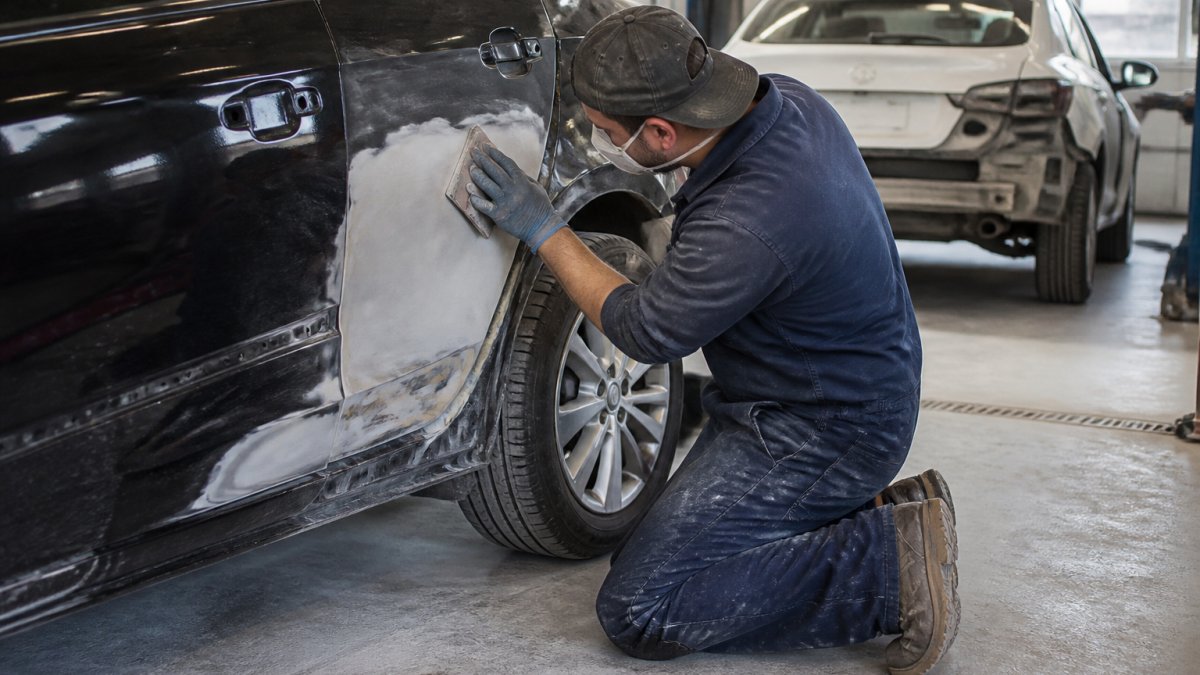
Common hidden damage includes:
- Bent frame rails behind cosmetic panels
- Cracked radiator supports
- Damaged wiring or sensors
- Rust under paint that only shows after sanding
None of this is visible on the initial walkaround. It's normal. Shops can't quote what they can't see.
Why a Written Estimate Is a Starting Point, Not a Ceiling
A written estimate is a good-faith projection of repair costs based on visible damage. It is not a contract for a fixed price.
Think of it like a home inspection. The inspector quotes what they see. Once the walls open up, the scope can change.
The key word is "written." A verbal quote means nothing later. Get everything on paper, including any revised estimate.
The Collision Repair Supplement: How Shops Get Paid for Extra Work
A collision repair supplement is a formal request for additional payment when hidden damage is found after the original estimate. It goes to your insurer, not just to you.
Here's how it works:
- The shop documents the new damage with photos.
- It submits a supplemental estimate to the adjuster.
- The adjuster reviews and approves, adjusts, or denies it.
- Work continues only after written approval.
A supplemental estimate protects you too. It creates a paper trail showing exactly what changed and why.
When the Insurance Estimate Is Lower Than the Body Shop Estimate
When the insurance estimate is lower than the body shop estimate, the gap usually comes down to labor rates or parts. The insurer may cap labor at a rate the shop can't match.
Options in this situation:
- The shop and insurer negotiate directly
- You pay the difference out of pocket
- You use a shop in the insurer's network
Many drivers don't realize they can choose their own shop. The insurer pays what it owes based on its own estimate, not the shop's.
What the Adjuster Actually Owes You
The adjuster owes you the cost to return your vehicle to its pre-accident condition, within policy limits. That's the baseline.
What the adjuster does not owe:
- Upgrades or custom work
- Betterment on worn parts
- Anything above your policy cap
If the shop and insurer disagree, they negotiate. You shouldn't be stuck in the middle. A good shop handles this for you.
California Department of Insurance auto claim guide
How to Approve Additional Auto Repairs Without Getting Burned
Before you approve additional auto repairs, ask three questions. What changed, why wasn't it in the first estimate, and what's the new total?
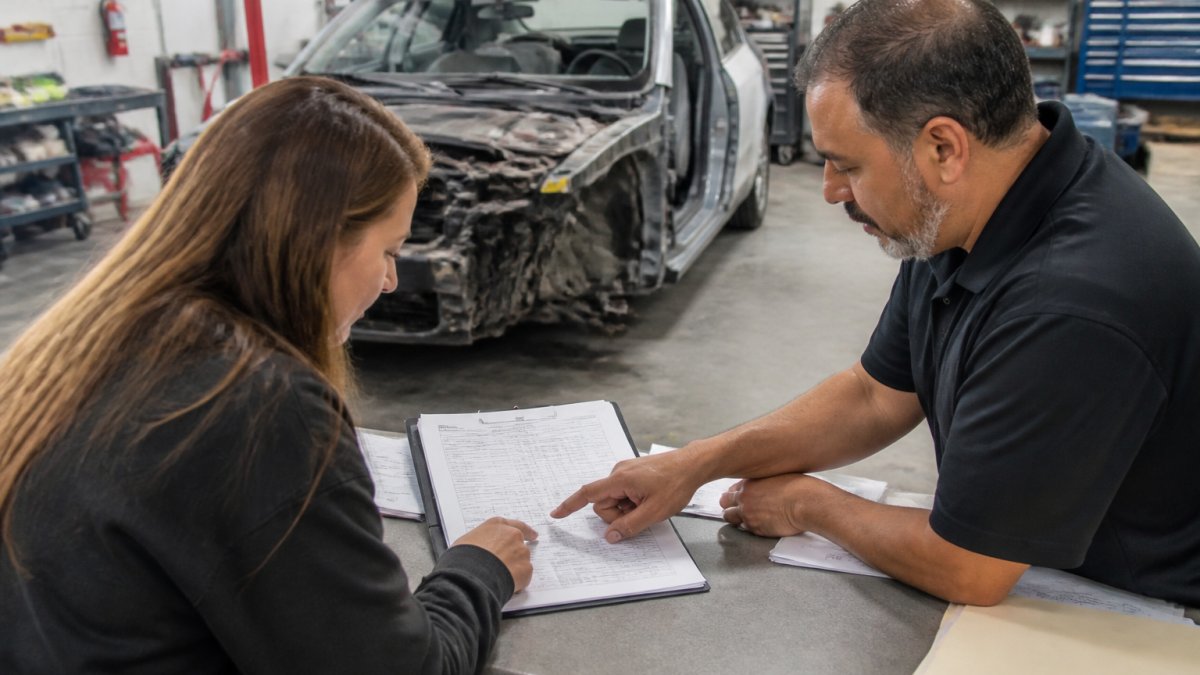
Most guides stop there. The real protection comes from reading the revised estimate line by line before you respond. Here is how to do that.
Read the Revised Estimate Line by Line
A supplemental estimate is organized the same way as the original: labor, parts, materials, and fees.
Labor hours and rate. Confirm the labor rate matches what you already agreed to.
Parts. Ask whether each part is new (OEM), aftermarket, recycled, or refurbished.
Diagnostic and teardown fees. Some shops charge a diagnostic or teardown fee to discover hidden damage.
Taxes, shop supplies, and environmental fees. These are usually small percentages of the parts and labor subtotal.
Storage and tow fees. If your car sat at the shop while the supplement was pending, storage may appear.
Newly discovered damage. Each new line should trace back to a photo or a written note from the shop.
Use This Approval Checklist
- Get the revised estimate in writing (email is fine)
- Confirm the new total in plain numbers
- Match the labor rate to the original estimate
- Confirm which parts are new, used, or recycled, and that the price matches
- Check for duplicate labor operations
- Verify diagnostic, supply, and tax lines
- Ask what happens if more damage appears
- Get a completion date in writing
- Reply in writing with a clear yes or no
If the shop can't answer these, slow down. Any honest shop will.
Approve, Approve With Limits, or Decline
You have three responses, not two.
- Approve in full. Reply in writing: "I approve the revised estimate dated [date] for $[amount]."
- Approve with limits. You can authorize specific lines and refuse others. For example, approve the frame repair but decline cosmetic upgrades. State exactly which lines you approve.
- Decline. You can stop work and have the vehicle towed to another shop. Expect to pay for work already completed and any teardown performed.
What to Do If the Shop Starts Work Before You Approve
If a shop performs unauthorized work, you are generally not obligated to pay for it, but the practical path matters. Ask for the authorization record in writing, note the date and time work began, and put your objection in writing immediately. Then follow the dispute steps in the next section.
When a Shop Can't Charge More Without Your Written Approval
A shop cannot legally charge more than the estimate without your consent in most states. The exact rules vary, so check your state's consumer protection office.
The general principle across the country:
- The shop must get your approval for additional work
- Approval should be in writing or clearly documented
- You have the right to refuse and take the car elsewhere
Some states set a cap, often a percentage above the original estimate, before written authorization is required. Others require written consent for any overage. Rules change by state, so verify yours.
FTC consumer advice on auto repair
How to Dispute an Auto Repair Bill That Jumped Higher
To dispute an auto repair bill, start with the shop directly. Ask for an itemized final invoice and compare it to every estimate you received.
Steps that work:
- Request a written, itemized bill
- Compare line items to the approved estimates
- Flag anything you never authorized
- Ask for a written explanation
- Escalate to your state consumer protection office if needed
A demand letter is your formal next step. It states what you're disputing and what you want. Keep it short and factual. Include the date, the amount in dispute, the estimate you relied on, and a deadline for a response.
If that fails, small claims court is an option for most consumer disputes. Filing fees are low and you don't need a lawyer. Many states set a dollar cap on small claims cases, so check your state's limit before filing.
When You and the Shop Disagree About Authorization
Step 2, Request the shop's authorization records. Ask for the signed authorization, the recorded phone approval, or the text/email thread the shop is relying on.
Step 3, Escalate to shop management. If the service writer is the problem, go to the owner or general manager in writing.
Step 4, File a complaint with your state consumer protection office or attorney general. Most states accept complaints online.
Step 5, Contact your state's auto repair licensing or registration body, if one exists. Some states regulate repair facilities and can investigate unauthorized-work complaints.
If the Repair Is Already Done and the Bill Is Higher
You still have options when the work is finished and the bill is higher than agreed.
- Refuse to pay the unauthorized portion in writing
- Request the shop's authorization records
- File a complaint with your state's consumer protection office
- Consider small claims court for the disputed amount
- Check whether your insurer will cover the supplement retroactively
- If the shop threatens collections or a mechanic's lien, respond in writing and keep copies
Don't just pay and move on. An unauthorized overage is a real dispute.
FTC consumer advice on auto repair
Documenting Estimates, Approvals, and Completed Work
Keep every piece of paper. Documentation wins disputes.
What to keep:
- The initial written estimate
- Every revised estimate
- All texts and emails approving work
- Photos of damage before and after
- The final invoice
- Receipts for any parts you paid for directly
Store them in one folder, digital or paper. If a dispute goes to small claims court, this folder is your case.
Conclusion: Protecting Yourself Before You Sign Off
A repair that exceeds its estimate is common, and it doesn't have to become a fight. The rules favor the customer who documents everything and approves nothing verbally.
At Rubio's Custom Repair inc, we've spent over 30 years helping Manteca drivers through exactly these moments. We use original parts for most repairs and back every job with our guarantee.
Schedule an Appointment with Rubio's Custom Repair inc and get back on the road with a repair you can trust.
Frequently Asked Questions
Can a repair shop charge more than its original estimate?
Yes, but only with your authorization. Most states require shops to get your approval before doing work that pushes the bill past the written estimate. If a shop finds hidden damage after teardown, it should contact you with a revised estimate showing the additional parts, labor hours, and costs before continuing. If you never approved the extra work, you may have grounds to dispute that portion of the bill. Ask for the revised estimate in writing and compare it line by line to the original.
What should I do if a shop finds hidden damage during repairs?
Ask for a supplemental estimate in writing before any additional work begins. Review the new line items: parts, labor hours, and labor rate. If you're using insurance, the shop typically sends the supplement to your adjuster for review. If you're paying out of pocket, decide whether to approve, get a second opinion, or stop work on the extra items. Never approve over the phone without seeing the numbers. Keep a copy of every estimate and approval message.
Does insurance pay when collision repairs exceed the initial estimate?
Usually yes, if the additional damage is covered by your policy and the supplement is reasonable. Insurers expect supplements because hidden damage is common in collision repair. Your adjuster reviews the revised estimate and either approves it, negotiates the labor rate or parts, or denies specific line items. If your insurer's estimate is lower than the body shop's, the shop can submit a supplement with photos and documentation. You're typically responsible only for your deductible and any items your policy excludes.
What happens if the final repair cost is more than my insurance payout?
You have a few options. First, ask the shop and your adjuster to reconcile the difference, which often comes down to labor rate or parts sourcing. If the insurer won't budge, you can pay the gap out of pocket, request a cash payout and negotiate directly with the shop, or in some cases invoke your policy's appraisal clause. If the repair total approaches your vehicle's actual cash value, the insurer may declare it a total loss even after work has started.