 listicle
Local Auto Repair Shop Benefits: 8 Perks to Know
Table of Contents
- Why Local Auto Repair Shops Are Winning Over Dealership Customers
- Independent Auto Repair vs Dealership: What Actually Changes for You
- Personalized Customer Service You Won't Find at a Chain
- Cost Savings and Transparent Pricing at Your Local Shop
- Benefits of Using Original Parts for Car Repair
- Faster Turnaround Times and Preventative Maintenance Support
- How to Find a Reliable Auto Body Shop in Your Area
- Community Trust and Long-Term Vehicle Care
- Frequently Asked Questions
Last Updated: September 25, 2026
Why Local Auto Repair Shops Are Winning Over Dealership Customers
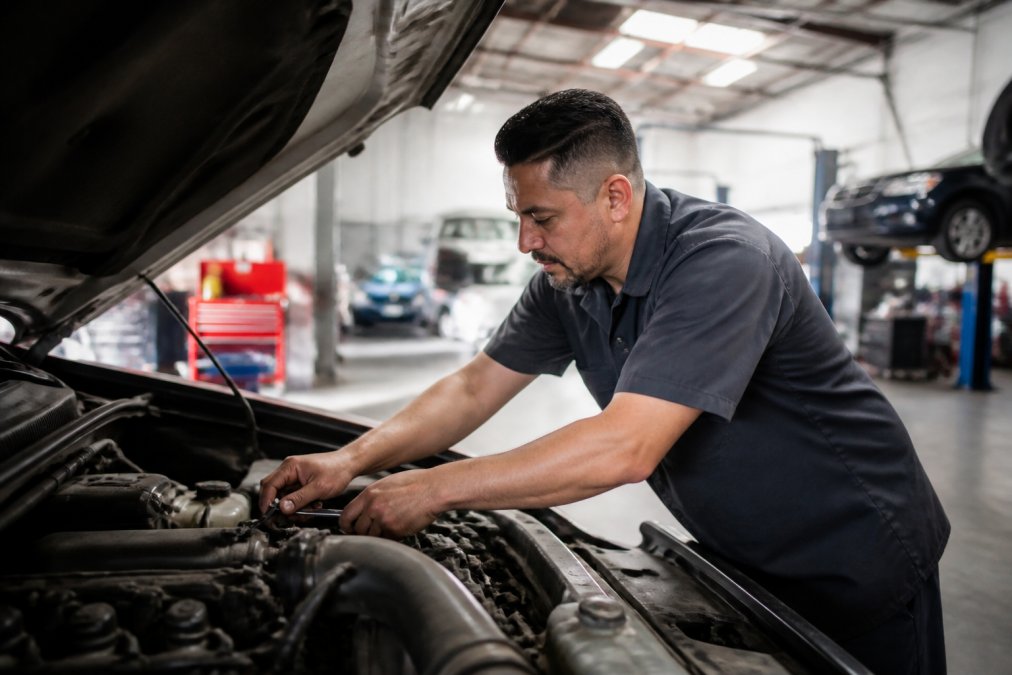
Vehicle owners increasingly choose a local auto repair shop over dealership service centers. Independent shops compete on relationships, price transparency, and speed, while dealerships rely on brand loyalty and captive warranty work. This guide from Rubio's Custom Repair inc breaks down the eight biggest perks of going local: a local auto repair shop handles diagnostics, maintenance, and collision work without dealership overhead or corporate pricing.
Independent Auto Repair vs Dealership: What Actually Changes for You
The core difference between an independent auto repair shop and a dealership comes down to who sets the rules: the manufacturer or the mechanic standing in front of your car. Dealerships follow corporate service menus and standardized labor rates, while independent shops build repair plans around your actual vehicle condition, changing your bill, timeline, and how much say you get.
Here's what actually shifts:
- Pricing structure: dealerships charge manufacturer-set labor rates; independents set competitive rates based on local market conditions
- Repair approval: independents walk you through each line item before work begins
- Scheduling: smaller shops often offer faster appointment windows and same-week service
- Communication: you talk to the person touching your car, not a service writer reading a screen
Personalized Customer Service You Won't Find at a Chain
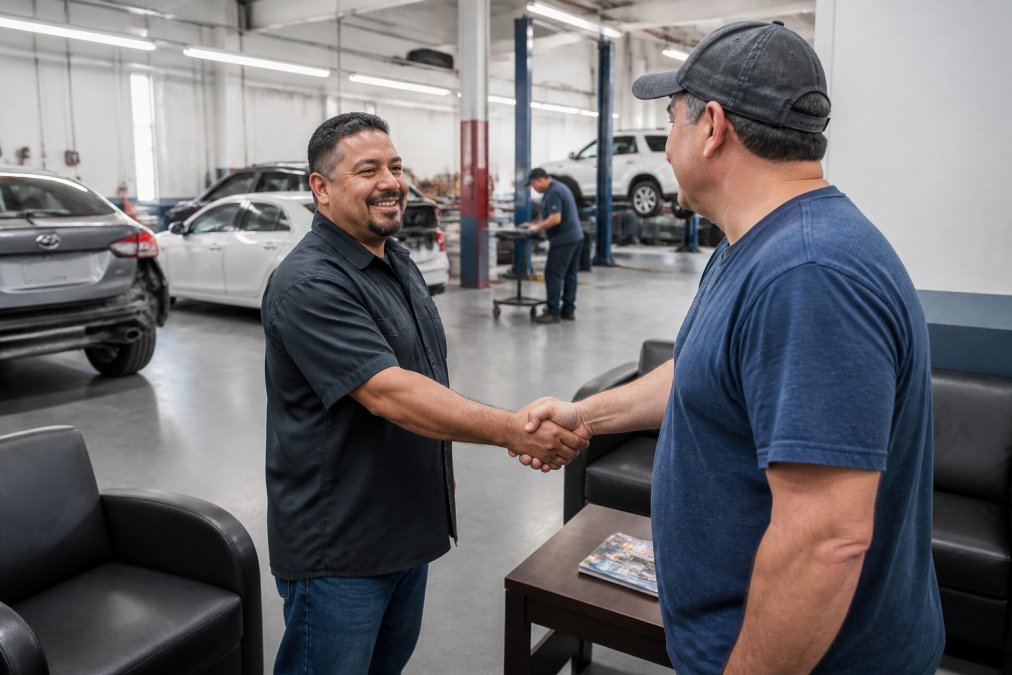
At a dealership, you're a ticket number in a queue serving dozens of vehicles a day. At a local shop, you're a neighbor whose car the owner may personally inspect, a phone call before any extra work, a technician who remembers your last repair, and honest advice about whether a fix can wait.
Cost Savings and Transparent Pricing at Your Local Shop
Independent shops typically cost less than dealership service departments because they don't carry the same overhead: no franchise fees, no corporate-mandated facility upgrades, no layers of management. Those savings show up in lower labor rates and flexible service packages.
| What You Get | Independent Shop | Dealership |
|---|---|---|
| Written estimate before work | Standard practice | Standard practice |
| Labor rate flexibility | Competitive local rates | Manufacturer-set rates |
| Repair approval process | Direct with technician | Through service advisor |
| Upsell pressure | Low | Often bundled service menus |
Benefits of Using Original Parts for Car Repair
"Original parts" is not a single category, and the biggest mistake drivers make is assuming there are only two options: factory parts or cheap knockoffs. A reputable independent shop sources from several distinct tiers, and knowing the difference lets you make an informed call.
| Part Type | Typical Cost vs. OEM | Best Use Case | Watch-Out |
|---|---|---|---|
| OEM | Baseline (highest) | Safety systems, sensors, structural, ADAS | Highest price; not always necessary |
| OEM-equivalent (OES) | Lower | Most mechanical repairs | Confirm it is truly OES, not rebranded aftermarket |
| Aftermarket (quality tier) | Lowest | Wear items: pads, filters, batteries | Quality varies wildly by supplier |
| Refurbished / remanufactured | Moderate | Alternators, starters, calipers | Warranty terms vary; ask who rebuilt it |
What this means for your warranty
Many drivers avoid independent shops because they believe only a dealership can preserve the manufacturer warranty. That belief is not accurate under federal law. The Magnuson-Moss Warranty Act, enforced by the Federal Trade Commission, generally prohibits a manufacturer from voiding your warranty simply because you used an independent shop or non-OEM parts. The manufacturer can deny a specific claim only if it shows the aftermarket part or independent work caused the failure.
Resale and insurance considerations
For resale value, documented OEM or OEM-equivalent repairs on structural and safety components hold up better in a pre-purchase inspection than undocumented aftermarket work. For insurance-covered collision repairs, your policy language governs, some specify OEM parts, some allow aftermarket, and some let you pay the difference to upgrade. Ask your shop how they handle that conversation with your insurer before approving the job.
Faster Turnaround Times and Preventative Maintenance Support
Turnaround time is where local shops often win decisively. Smaller operations move a vehicle through diagnostics, parts ordering, and repair without waiting behind a long dealership queue, and many order parts daily to shorten the gap between approval and completion.
How to Find a Reliable Auto Body Shop in Your Area
Most "how to find a shop" advice stops at "read reviews and check certifications." That is table stakes. What separates a shop you'll use for a decade from one you regret is how it communicates, how it documents, and whether it treats your vehicle's history as an asset.
Start with credentials that can be verified, not just claimed
- Confirm the shop holds current industry certifications and check them at the source rather than trusting a window decal.
- Look up the business on the Better Business Bureau and read the complaint history, not just the letter grade.
- Verify any manufacturer or insurer network affiliations directly with the network, since those lists change.
- Ask whether technicians hold current ASE certifications and whether the shop invests in ongoing training.
Then evaluate how the shop communicates, this is the real differentiator
Modern, well-run independent shops have moved past paper tickets and phone-tag approvals. Ask:
- Do you use digital vehicle inspections (DVIs)? A DVI is a photo-and-video inspection the technician sends to your phone, with each item flagged red, yellow, or green. It replaces the vague "your mechanic said you need brakes" with a picture of your actual brake pad. Shops that use DVIs tend to have fewer billing disputes because you saw the evidence before you approved the work.
- Can I approve or decline work by text or email? Text-based approval creates a written record of exactly what you authorized, which protects both sides.
- Will I get a written estimate before any work begins, and a phone call before any additional work? This should be a yes without hesitation.
Ask the parts and warranty questions before you commit
- Which parts tiers do you use, and will you name the brand on the estimate?
- What is the warranty on parts, and what is the warranty on labor? Get both in writing.
- How do you handle insurance claims, and do you work directly with my insurer or do I pay and seek reimbursement?
- What is your typical turnaround for my type of repair, and what could extend it?
Look for a shop that tracks your vehicle's history
A consistent local mechanic builds what amounts to a medical history for your car: past repairs, recurring symptoms, fluid trends, and small observations that only show up when the same team sees the vehicle over years. High-volume service centers often lose that thread because staff turnover is high and records live in a corporate system the person working on your car may never open.
Use this checklist when you are evaluating options
- Credentials verified at the source, not just on the wall
- Recent reviews read in full, including the negative ones and how the shop responded
- Digital vehicle inspection offered, with photo or video evidence
- Written estimate provided before work begins
- Parts tier and brand named on the estimate
- Parts and labor warranty terms provided in writing
- Insurance claim process explained clearly
- Typical turnaround time quoted for your specific repair
- Vehicle service history retained and accessible to technicians
A shop that answers all nine clearly is worth the drive, even if it is farther from home. A shop that deflects on two or three is telling you something.
Community Trust and Long-Term Vehicle Care
Community trust is the quiet advantage independent shops hold over chains. A local business lives on its reputation in the same neighborhoods where its customers live, so a family-owned operation will typically make a repair right because their name is on the line.
Frequently Asked Questions
What are the primary advantages of using a local auto repair shop over a dealership?
Local auto repair shops offer personalized customer service, often lower labor rates, and faster turnaround times because they are not bound by corporate schedules. You typically speak directly with the owner or lead mechanic, which builds trust and accountability. Local shops also use original parts or high-quality aftermarket parts and can work directly with your insurance company, reducing the coordination burden on you. Many local shops are also BBB-rated and rely on community trust to stay in business, so they are motivated to do the job right the first time.
How do local shops ensure high-quality parts and paint standards?
Reputable local shops use original equipment manufacturer (OEM) parts whenever possible, which are designed for your specific vehicle's make and model. For paint, many use premium brands like PPG that match factory finishes and come with a warranty. They also follow automotive industry standards for diagnostics and repairs. When choosing a shop, ask about parts sourcing transparency and whether they provide a written warranty on both parts and labor. This ensures your repair meets warranty compliance and keeps your vehicle's value intact.
Do local auto repair shops offer better value for collision repair?
Local shops often provide better value because they have lower overhead costs than dealerships, which can translate to lower labor rates and more competitive pricing. They also tend to communicate more transparently about repair estimates and timelines. Many local shops work directly with insurance companies to handle claims, saving you time. Additionally, their focus on customer retention means they prioritize quality work and preventative maintenance advice to keep you coming back, which can extend your vehicle's longevity and save money long-term.
How does a local auto body shop provide more personalized customer service?
Local shops are typically family-owned or operated by long-time residents, so you interact with the same people throughout your repair. They remember your vehicle and your history, offer tailored advice, and are more flexible with scheduling and payment options. You can often speak directly with the technician working on your car, which increases repair transparency. This personalized care leads to higher customer satisfaction and a relationship built on trust, rather than a transactional experience you might get at a large chain or dealership.