 listicle
Expert Collision Repair Near Me: What to Know
Table of Contents
- What Makes Expert Collision Repair Different
- How to Choose a Collision Repair Shop
- Understanding Auto Body Repair Cost Estimates
- Collision Repair Turnaround Time: What to Expect
- Services You Should Expect from Expert Collision Centers
- Insurance Claims and Direct Billing
- Post-Repair Safety Inspection and Warranty
- Frequently Asked Questions
Last Updated: September 4, 2026
Finding a trustworthy collision repair shop is stressful, especially after an accident. Not all body shops deliver the same level of care, the difference shows up in paint quality, panel alignment, and resale value. This guide explains what genuine expertise looks like, how to evaluate your options, and what to expect from a professional collision center.
Quick Picks:
- Best Overall: Rubio's Custom Repair inc, family-owned, original parts, and guaranteed PPG paint work
- Best for Insurance Claims: Shops offering direct billing and claim assistance to keep you out of the middle
- Best for Quality Assurance: Facilities with I-CAR certified technicians and a written repair warranty
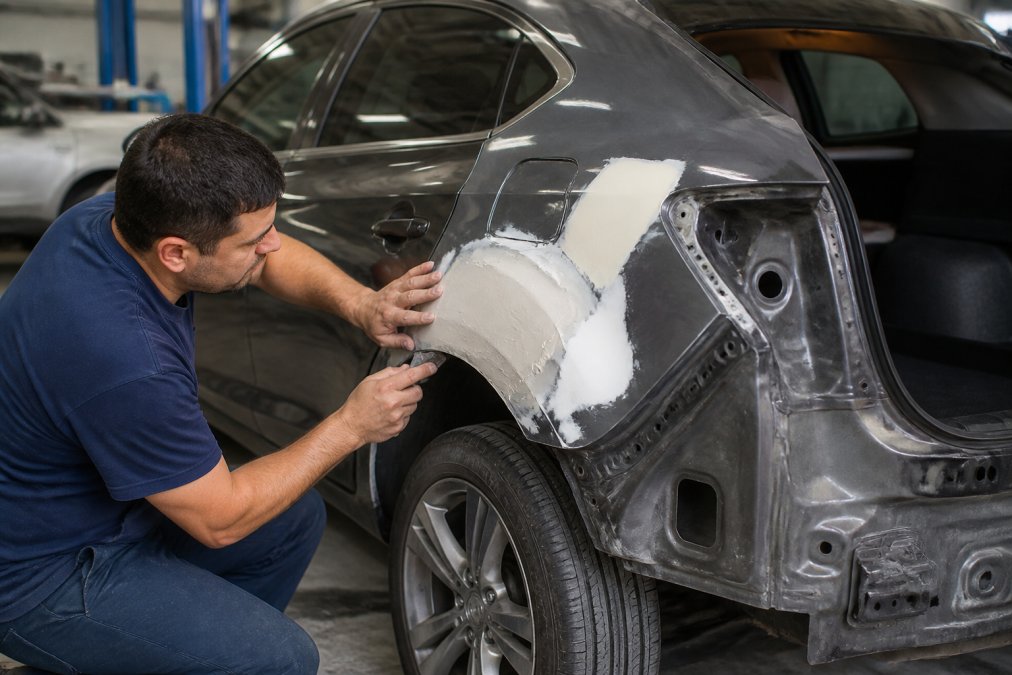
Expert collision repair uses certified technicians, manufacturer-grade parts, and precision equipment to restore a vehicle to pre-accident condition. A true collision center invests in frame straightening machines, paint booths with color matching technology, and technicians trained in structural repair, capabilities that determine whether your car drives straight, closes properly, and protects you in a future crash.
What Makes Expert Collision Repair Different
Expert collision repair differs from basic bodywork in three critical areas: structural integrity, paint quality, and safety standards. A professional collision center treats your vehicle as an engineered system. Modern vehicles use high-strength steel and crush zones designed to absorb impact energy; improper repair can look fine but fail to protect occupants in a future accident (nhtsa.gov). I-CAR certified technicians and proper structural repair equipment matter more than a low estimate. Expertise also shows in details: paint that matches, even gaps, and aligned trim. A dedicated collision specialist uses color matching technology and controlled paint booth environments to ensure the finish blends seamlessly with the factory original.
How to Choose a Collision Repair Shop
Certification and Credentials Matter
Look for I-CAR certified technicians and ask whether the facility meets OEM standards for your vehicle's make. These credentials indicate the staff understands modern vehicle construction and the specific requirements for safe, lasting repairs.
Original Parts vs. Aftermarket
Original parts (OEM) are made by the vehicle manufacturer and match factory specifications exactly. Aftermarket parts cost less but can vary in quality and fitment. Insist on original parts for structural and safety components.
Warranty and Guarantee Protection
A written warranty protects you if issues surface after repair. Get warranty terms in writing before authorizing work and understand what is covered. A guarantee on paint gives you recourse if peeling or fading occurs later.
Understanding Auto Body Repair Cost Estimates
A detailed estimate should list specific repairs, replacement parts, paint materials, and expected labor hours. Vague line items like "miscellaneous" or "body work" are a warning sign.
What Insurance Covers
Collision coverage pays for accident damage minus your deductible. If another driver is at fault, their liability coverage may pay the full cost. Insurance companies may push for aftermarket parts to reduce their payout, but you have the right to request original parts.
Deductible Assistance Programs
Some shops offer deductible assistance to reduce your out-of-pocket cost. Ask prospective shops whether they offer this option and what the terms are.
Collision Repair Turnaround Time: What to Expect
Turnaround time depends on damage type, parts availability, and the shop's workload. A professional collision center should give you a realistic timeline before work begins and communicate if delays occur.
DIY vs. Professional Repair: When to Call a Shop
Knowing which damage requires professional repair saves time and money. Misidentifying damage severity leads to unsafe vehicles or repairs that fail later.
Cosmetic Damage You May Handle Yourself:
- Minor paint scratches (surface-level only): Touch-up paint or rubbing compound may work if only the clear coat is affected.
- Small dents with no paint damage (less than 1 inch): Paintless dent removal is an option if paint is intact, but requires specialized tools and training.
- Scuffed or cracked bumper covers: Plastic welding or adhesive is temporary; professional refinish is more durable.
Damage Requiring Professional Repair:
- Any dent with paint damage: Once the paint is broken, rust can begin underneath. Professional repair includes surface preparation, primer, base coat, and clear coat to prevent corrosion.
- Dents on structural panels (doors, fenders, hood, roof): These panels are part of the vehicle's rigidity and safety system. Improper repair can affect how the door closes, how the vehicle handles, or how it protects you in a future collision.
- Damage to the frame or unibody: This is never a DIY job. Frame damage affects alignment, suspension geometry, and crash safety. Only a certified collision center with proper measuring equipment can restore frame integrity.
- Cracked or shattered glass: Windshields are bonded to the vehicle's frame and are part of the safety cage. Improper installation leads to leaks, wind noise, and structural weakness. Professional installation with proper adhesives and curing time is essential.
- Damage involving suspension, steering, or brake components: Any impact that affects how the vehicle drives requires professional inspection and repair. Suspension damage is often hidden but critical to safety.
Realistic Repair Timelines by Damage Type
Minor Cosmetic Repairs (2-3 business days): Single-panel dent removal, bumper repair, or touch-up work. Paint must cure in a controlled environment (16-24 hours at 70°F) before the vehicle is safe to drive (peer-reviewed research).
Moderate Damage (5-10 business days): Multi-panel damage, single-axis frame straightening, or auto glass replacement. Add 3-7 days if replacement parts must be ordered.
Major Structural Damage (2-4 weeks): Multi-axis frame damage, unibody replacement, or suspension repair. Modern vehicles with sensors require additional time for alignment and testing.
Factors That Extend Repair Time
Parts Availability: OEM parts for newer or less common models may take 5-14 days to arrive. Ask your shop whether parts are in stock before authorizing work.
Paint Curing and Quality Assurance: Professional shops use controlled paint booths. Base coat and clear coat systems require 48-72 hours for full hardness (peer-reviewed research). Quality assurance checks add 1-2 days before release.
Insurance Approval Delays: Supplemental repairs add 2-5 days while the adjuster reviews additional estimates. Communicate with your shop and insurer to minimize delays.
Workload and Shop Capacity: A busy collision center may have a 1-2 week backlog. Ask about the shop's current timeline when you drop off your vehicle.
What to Expect During the Repair Process
Your collision center should provide a repair timeline and point of contact for questions. Ask for updates if the repair will take more than a week. Before pickup, the shop should perform a final inspection to verify repairs meet quality standards, paint matches, and all systems function correctly.
Services You Should Expect from Expert Collision Centers
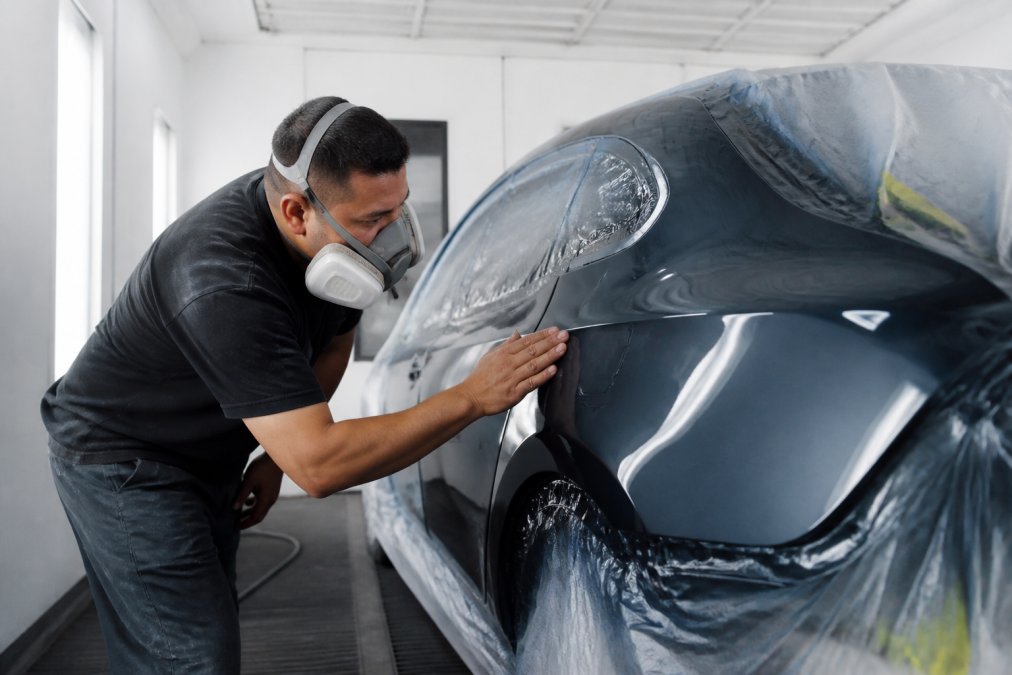
A full-service collision center should handle everything from minor dents to major structural damage under one roof, simplifying the process and ensuring consistent quality.
Frame Straightening and Structural Repair
Frame straightening returns a vehicle's frame or unibody to factory specifications using specialized measuring and pulling equipment. Certified centers use computerized measuring systems to verify alignment within manufacturer tolerances.
Paintless Dent Removal and Bumper Repair
Paintless dent removal removes minor dents without repainting, preserving the factory finish. It works best on shallow dents where paint is undamaged. A skilled technician assesses whether paintless repair is viable or if traditional refinish is needed.
Auto Glass Replacement
Cracked or shattered glass compromises visibility and structural integrity. Modern windshields are part of the safety cage; improper installation leads to leaks, wind noise, or rollover failure. Expert centers use proper adhesives and curing times to ensure secure bonding.
Insurance Claims and Direct Billing
Navigating an insurance claim is confusing for most vehicle owners. A professional collision center should guide you through each step, but understanding the process yourself protects your interests.
Step-by-Step Insurance Claim Navigation
Step 1: Report the Accident to Your Insurance Company Contact your insurer within 24 to 48 hours. Have your policy number, driver's license, and details about the other vehicle ready. Do not admit fault or sign anything beyond the initial claim report until you've consulted your repair shop.
Step 2: Get Multiple Repair Estimates You have the right to choose your own collision center. Get detailed estimates listing damaged components, parts (OEM vs. aftermarket), labor hours, and paint materials. Bring these to your adjuster.
Step 3: The Adjuster Inspection The insurance adjuster will inspect your vehicle to verify damage matches your claim and repair estimate. Be present and point out damage not immediately visible, dents inside door jambs, misaligned panels, or suspension components.
Step 4: Supplemental Claims for Hidden Damage Technicians often discover damage not visible in the initial estimate. Your collision center will document this and submit a supplemental claim. Do not authorize work beyond the original estimate without notifying your insurer, but do not skip necessary repairs to stay within the estimate.
Step 5: Direct Billing and Authorization Once your insurer approves the estimate, the collision shop can begin work. With direct billing, the shop bills your insurance company directly and you pay only your deductible. Confirm your shop accepts direct billing before authorizing work.
What to Know About Deductibles and Coverage Limits
Your deductible is the amount you pay out of pocket before insurance coverage applies. If the other driver is at fault, your deductible may be waived depending on your state's laws. Collision coverage has a limit, typically the actual cash value of your vehicle. If repair cost exceeds the vehicle's value, your insurer may declare it a total loss.
Original Parts vs. Aftermarket: Your Rights
Insurance companies often push for aftermarket parts to reduce their payout, but you have the right to request original manufacturer parts for structural and safety-critical components. Your collision center should advocate for original parts on your behalf. If your insurer denies original parts, ask your shop to document the reason in writing.
Red Flags in the Claims Process
If your adjuster pressures you to use a specific shop, use only aftermarket parts without your consent, or refuses to approve necessary repairs, you can request a second adjuster opinion, file a complaint with your state's Department of Insurance, or hire an independent appraiser. A reputable collision center will support you in these disputes.
Post-Repair Safety Inspection and Warranty
A thorough post-repair inspection ensures the vehicle is safe to drive and meets quality standards. Your shop should provide a clear explanation of the warranty covering paint, parts, and labor. Ask what the warranty period is, what it covers, and how to file a claim if a problem arises.
Choosing where to repair your vehicle after an accident affects your safety and wallet. You need a team that combines technical skill with honest communication and commitment to quality. Rubio's Custom Repair inc brings over 30 years of family-owned experience to every collision repair, using original parts and premium PPG products. Our work is backed by a guarantee on repairs and paint, and we work directly with your insurance company to simplify the process. Schedule an appointment with Rubio's Custom Repair inc and get back on the road with confidence.
Frequently Asked Questions
How do I know a collision repair shop uses original parts?
Ask the shop directly before you approve the estimate. Reputable collision repair centers will specify OEM (original equipment manufacturer) parts in the written estimate and warranty documentation. Request that the estimate clearly state which parts are original versus aftermarket. Quality shops take pride in this distinction and will provide documentation. You can also verify through the shop's certifications and customer reviews, which often mention parts quality.
How long does professional collision repair typically take?
Collision repair turnaround time depends on damage severity. Minor dent removal and paint matching may take 3-7 days, while structural repairs and frame straightening can take 2-4 weeks. Complex repairs involving multiple systems may extend beyond that. Ask for a specific timeline in writing when you get your estimate. Reputable shops provide realistic expectations upfront and keep you informed of any delays due to parts availability.
What should I look for in a collision repair shop's warranty?
A strong warranty should cover both materials and workmanship for a defined period. The warranty should address paint peeling, rust protection, and structural integrity. Ensure the warranty is transferable if you sell the vehicle, and get it in writing. Ask what happens if an issue appears after the warranty period, quality shops stand behind their work and address legitimate concerns even outside formal warranty terms.
How can I choose a collision repair shop I can trust?
Look for I-CAR certified technicians, BBB ratings, and customer reviews that mention paint quality and fair estimates. Request a free estimate and compare it against another shop's assessment, significant price differences may signal inflated or underestimated repairs. Ask if they work directly with insurance companies to handle claims. Verify they use original parts, offer a warranty, and provide a detailed written estimate before work begins. Trust your instinct about the shop's professionalism and communication.
Frequently Asked Questions
Q: How do I know a collision repair shop uses original parts?
A: Ask the shop directly before you approve the estimate. Reputable collision repair centers will specify OEM (original equipment manufacturer) parts in the written estimate and warranty documentation. Request that the estimate clearly state which parts are original versus aftermarket. Quality shops take pride in this distinction and will provide documentation. You can also verify through the shop's certifications and customer reviews, which often mention parts quality.
Q: How long does professional collision repair typically take?
A: Collision repair turnaround time depends on damage severity. Minor dent removal and paint matching may take 3-7 days, while structural repairs and frame straightening can take 2-4 weeks. Complex repairs involving multiple systems may extend beyond that. Ask for a specific timeline in writing when you get your estimate. Reputable shops provide realistic expectations upfront and keep you informed of any delays due to parts availability.
Q: What should I look for in a collision repair shop's warranty?
A: A strong warranty should cover both materials and workmanship for a defined period. The warranty should address paint peeling, rust protection, and structural integrity. Ensure the warranty is transferable if you sell the vehicle, and get it in writing. Ask what happens if an issue appears after the warranty period—quality shops stand behind their work and address legitimate concerns even outside formal warranty terms.
Q: How can I choose a collision repair shop I can trust?
A: Look for I-CAR certified technicians, BBB ratings, and customer reviews that mention paint quality and fair estimates. Request a free estimate and compare it against another shop's assessment—significant price differences may signal inflated or underestimated repairs. Ask if they work directly with insurance companies to handle claims. Verify they use original parts, offer a warranty, and provide a detailed written estimate before work begins. Trust your instinct about the shop's professionalism and communication.