 how-to
How to Tell If Your Car Is Totaled
Table of Contents
- What It Means for a Car to Be Totaled
- Understanding the Actual Cash Value of a Totaled Car
- How Insurers Use the Total Loss Formula for Cars
- Signs Your Car May Be Totaled: Damage Assessment
- What to Do When Your Car Is Totaled
- Total Loss Settlement Negotiation: Challenging the Decision
- State Total-Loss Thresholds and Rules
- What Happens After Your Car Is Declared a Total Loss
- Frequently Asked Questions
Last Updated: October 11, 2026
What It Means for a Car to Be Totaled
A car is totaled when the cost to repair it exceeds a certain percentage of its current market value. Once an insurance company declares your vehicle a total loss, they consider it unsafe or uneconomical to fix. Most states set this threshold between 70% and 80% of the vehicle's actual cash value.
When your car reaches total loss status, the insurance company typically takes ownership of the damaged vehicle. You receive a settlement payout based on what the car was worth before the accident, minus your deductible. Understanding this process helps you know what to expect and whether you should challenge the insurer's decision.
The total loss declaration isn't just about damage severity. It's a financial calculation. A car with minor cosmetic damage might still be repairable and worth fixing. A car with hidden structural damage might be declared totaled even if it looks drivable.
Understanding the Actual Cash Value of a Totaled Car
The actual cash value (ACV) is what your car was worth the moment before the accident happened. This is the number insurers use to calculate your settlement, not the price you paid when you bought it new.
ACV accounts for the car's age, mileage, condition, and market demand. A five-year-old sedan with 80,000 miles is worth significantly less than the same model with 40,000 miles. Insurance adjusters use databases like NADA Guides and Kelley Blue Book to determine ACV.
Your settlement check will equal the ACV minus your deductible. If your car's ACV is $15,000 and you have a $1,000 deductible, you receive $14,000.
Many vehicle owners underestimate their car's pre-accident value. Adjusters sometimes lowball initial ACV estimates. Comparing your car to similar vehicles listed for sale in your area helps you verify whether the insurer's valuation is fair.
How Insurers Use the Total Loss Formula for Cars
Insurance companies apply a straightforward formula: they divide estimated repair costs by the vehicle's actual cash value. If that number exceeds the state's total loss threshold, your car is totaled.
Here's how the math works:
Repair Cost ÷ Actual Cash Value = Loss Percentage
If repairs cost $12,000 and your car's ACV is $16,000, the loss percentage is 75%. In most states, that triggers a total loss declaration.
The threshold varies by state. Some states use 70%, others use 75%, 80%, or even a formula based on the specific insurance company's guidelines. Your insurance policy documents should state your state's threshold. Knowing this number helps you understand whether the insurer's decision is correct.
What complicates this formula is that repair estimates can vary. One shop might quote $10,000 for repairs while another quotes $13,000 for the same damage. Insurers typically use their own network of approved repair facilities, which may estimate lower than independent shops.
Signs Your Car May Be Totaled: Damage Assessment
Several types of damage suggest your car will be declared totaled. The severity and location of damage matter more than the number of dents.
Structural and Frame Damage
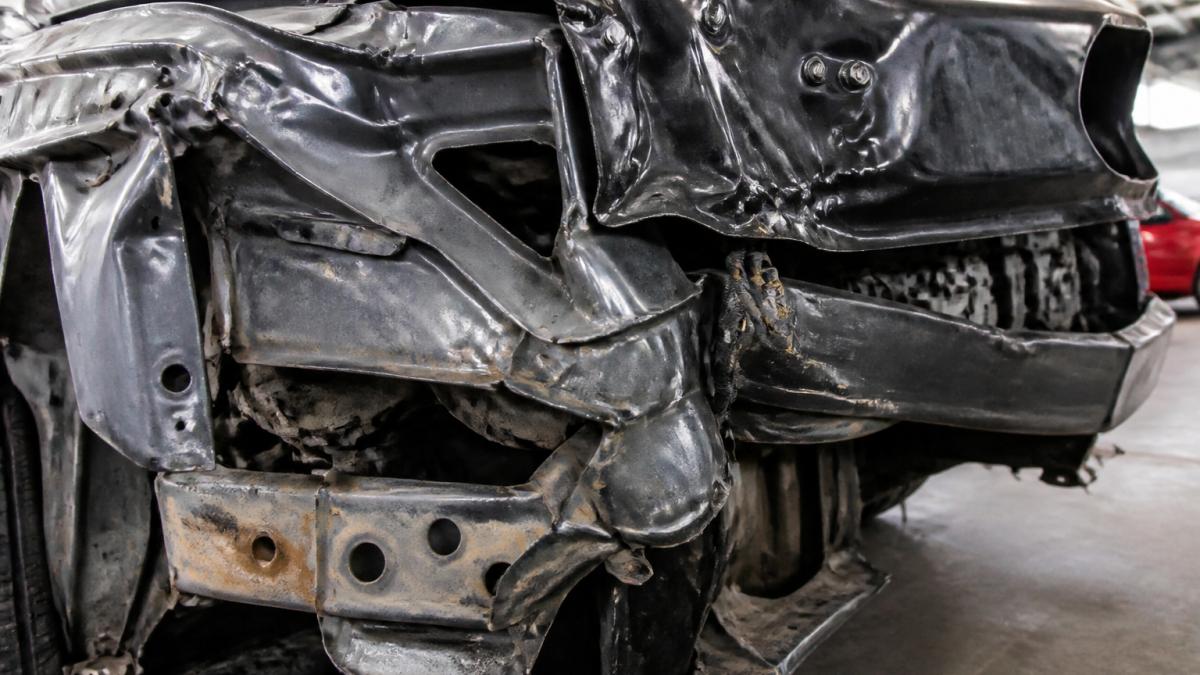
Frame damage is the most serious type of collision damage. The frame is the skeleton of your vehicle. Once it's bent or twisted, the car's structural integrity is compromised. Even if the frame is straightened, it's often more expensive to repair than the car's value.
A bent frame affects how the vehicle handles, brakes, and protects you in future accidents. Insurance adjusters prioritize frame damage when deciding total loss status. If the damage report mentions frame damage, expect a total loss declaration.
Major Component Damage
Major components include the engine, transmission, suspension, and electrical systems. Damage to any of these systems drives up repair costs quickly.
Engine damage is particularly expensive. If coolant or oil leaked into the engine during the accident, or if the engine block cracked, replacement costs often exceed the vehicle's value. Transmission replacement can cost $3,000 to $5,000 or more, depending on the vehicle.
Water damage to the electrical system creates hidden problems. Corroded wiring and failed sensors may not appear immediately but will cause expensive failures months later. Insurers account for this when estimating repair costs.
Fluid Leaks and Mechanical Issues
Significant fluid leaks from the engine, transmission, or cooling system indicate major mechanical damage. A small leak from a hose can be fixed cheaply. A leak from the engine block or transmission pan is different.
Airbag deployment is another red flag. Once airbags deploy, they must be replaced. New airbags, sensors, and wiring harnesses add thousands to repair costs. A vehicle with all airbags deployed is likely to be totaled.
Bent suspension components or a damaged steering system make the vehicle unsafe to drive. These repairs are expensive and often push the total into totaled territory.
What to Do When Your Car Is Totaled
Taking the right steps after an accident protects your claim and helps you navigate the total loss process smoothly.
Document Everything at the Scene
Photograph the accident scene from multiple angles. Capture the damage to your vehicle, the other vehicle if applicable, road conditions, traffic signals, and street signs. Take photos of the overall scene and close-ups of specific damage areas.
Write down the other driver's name, phone number, address, insurance company, and policy number. Get the names and contact information of any witnesses. Note the date, time, location, and weather conditions.
If police respond, get the officer's name and report number. Request a copy of the police report once it's available. This documentation becomes critical if you need to dispute the total loss decision or challenge the ACV valuation.
Notify Your Insurance Company
Contact your insurance company as soon as possible after the accident. Most insurers have a 24-hour claims hotline. Provide them with the accident details, your policy number, and the police report number if available.
Be factual when describing what happened. Avoid speculating about fault or accepting blame. Simply state what occurred. The insurer will assign a claims adjuster to your case.
Schedule the Insurance Adjuster's Inspection
The adjuster will inspect your vehicle and write a damage estimate. This estimate forms the basis for the total loss decision. The inspection typically takes 30 minutes to an hour.
Be present during the inspection if possible. Point out all damage, including damage you might have noticed after the accident. Ask the adjuster to explain their findings and how they arrived at the repair estimate.
Request a copy of the damage report and repair estimate. Review these documents carefully. If you disagree with the estimate or the total loss decision, you'll need this documentation to support your appeal.
Total Loss Settlement Negotiation: Challenging the Decision
If you believe the insurer's total loss decision is wrong, you have options. Many insurers will reconsider their decision if you provide new evidence.
Challenge the ACV valuation first. Gather listings for similar vehicles in your area. Look for cars with the same year, make, model, mileage, and condition. Document the asking prices.
Request an independent appraisal. Some insurance policies allow you to hire an independent appraiser if you disagree with the ACV. The appraiser's report can support your claim that the car was worth more than the insurer estimated.
Challenge the repair estimate. Obtain a repair estimate from an independent collision repair shop. If the independent estimate is significantly lower than the insurer's estimate, the total loss declaration may not be justified.
If the insurer still refuses to reconsider, you can request appraisal through your insurance policy. This process involves hiring an independent appraiser and potentially going to arbitration.
State Total-Loss Thresholds and Rules
Total loss thresholds vary significantly by state. Understanding your state's rules helps you know whether the insurer's decision is correct.
Most states use a percentage threshold between 70% and 80%. Some states allow insurance companies to set their own thresholds, which may be more or less strict than the state standard.
Your insurance policy documents should specify your state's total loss threshold and any company-specific rules. If you can't find this information, contact your insurance agent or call the insurer's claims department directly.
States with lower thresholds (70%) are more likely to result in total loss declarations. States with higher thresholds (80%) give vehicles a better chance of being repaired.
Some states have additional rules about salvage title and ownership transfer. In most cases, once your car is declared totaled, the insurance company takes ownership and sells it to a salvage yard. You receive the settlement payout and lose the vehicle.
What Happens After Your Car Is Declared a Total Loss
Once the insurer declares your car totaled and you accept the settlement, the process moves quickly.
The insurance company issues a settlement check for the ACV minus your deductible. You must sign a release form transferring ownership of the vehicle to the insurer.
Your car typically goes to a salvage auction where it's sold to a salvage yard or rebuilder. Some salvage vehicles are repaired and resold.
You're responsible for arranging transportation of your vehicle to the insurer's designated location or salvage yard. Some insurers cover towing costs.
Your insurance claim is closed once you sign the release and the insurer takes possession. If issues arise later, you generally cannot reopen the claim.
After a total loss, you'll need to purchase a new vehicle. Shop around for insurance on your replacement car.
When your car is totaled, the process feels overwhelming. If you're facing a collision claim or need guidance on repair versus replacement, schedule an appointment with our team.
Frequently Asked Questions
How do I know if my car is totaled after an accident?
Your car is totaled when repair costs exceed 70-85% of its actual cash value (the threshold varies by state). Signs include severe structural damage, bent frame, major component failure, fluid leaks, or airbag deployment. An insurance adjuster inspects the vehicle and compares estimated repair costs to the vehicle's pre-accident value. If repairs cost more than the threshold percentage, the insurer declares it a total loss and issues a settlement based on the car's market value minus your deductible.
What is the total loss formula for cars?
The total loss formula compares estimated repair costs to the vehicle's actual cash value (ACV). If repair costs exceed the state's threshold (typically 70-85% of ACV), the car is totaled. For example, if your car's ACV is $10,000 and the state threshold is 80%, repairs exceeding $8,000 trigger a total loss declaration. Insurers calculate ACV using the vehicle's age, mileage, condition, and comparable market sales. The settlement payout equals the ACV minus your deductible.
Can I challenge my insurance company's total loss decision?
Yes. Obtain an independent damage estimate from a trusted repair shop and compare it to the insurer's estimate. Request a detailed breakdown of the adjuster's valuation and ACV calculation. If you believe the estimate is too low, provide evidence such as recent maintenance records, upgrades, or comparable vehicle listings showing higher market value. Many insurers allow appeals; submit your documentation within 30 days. If negotiations stall, consider hiring an independent appraiser or consulting your state's insurance commissioner.
What happens if my car is declared a total loss?
The insurance company issues a settlement check based on your vehicle's actual cash value minus your deductible. You typically have the option to keep the salvage (the damaged vehicle) and receive a reduced payout, or surrender it to the insurer for full settlement. The insurer may issue a salvage title for the vehicle. If you have gap insurance and owe more than the settlement on a loan or lease, gap coverage pays the difference. After settlement, you must return license plates and notify your state's DMV.