 ultimate-guide
Quality Auto Body Shop Guarantee: What It Covers
Table of Contents
- What a Quality Auto Body Shop Guarantee Actually Covers
- Auto Body Repair Warranty Terms You Need in Writing
- How Long for Collision Repair and What That Means for Your Warranty
- The Collision Repair Insurance Claim Process and Your Guarantee
- What Is Excluded from Body Shop Warranties
- What to Do If a Repair Fails After the Warranty Period
- Frequently Asked Questions
Last Updated: September 15, 2026
What a Quality Auto Body Shop Guarantee Actually Covers
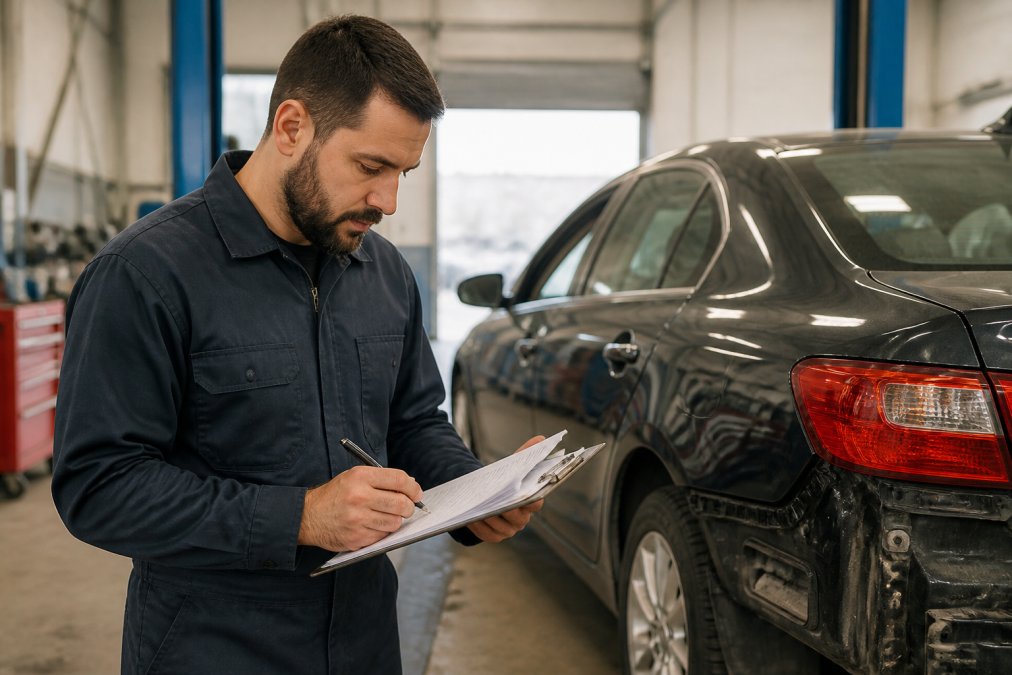
A quality auto body shop guarantee is a written promise from a repair facility to stand behind its work for a defined period after you drive away. It typically covers workmanship, paint adhesion, and the structural integrity of the repair itself.
Most vehicle owners never read theirs until they need it. That's the problem.
A guarantee isn't a marketing line on a counter sign. It's a service agreement that spells out what the shop will fix for free if a repair fails. The FTC's guidance on warranties and guarantees makes clear that any written promise about a product or service carries legal weight, which is why the wording matters as much as the handshake.
Here's what separates a real guarantee from a vague one:
- Workmanship coverage protects you if a panel gaps, a weld fails, or trim comes loose because of how it was installed.
- Paint and refinishing coverage protects against peeling, blistering, or premature fading tied to application.
- Parts coverage depends on whether the shop used OEM parts or aftermarket parts, and who backs them.
Below, we'll break down each type, the terms you need in writing, and what to do when a repair fails.
Workmanship vs. Parts Coverage
Workmanship coverage and parts coverage are two separate promises, and confusing them is a common mistake.
Workmanship coverage is the shop's own promise. If a technician installs a bumper poorly and it rattles a week later, the shop fixes it at no cost, covering labor, fitment, refinishing quality, and structural repairs done at the facility.
Parts coverage is different. If a headlight assembly fails internally, that's a defect in the part, not the labor, the manufacturer or supplier typically backs it, not the body shop.
Auto Body Repair Warranty Terms You Need in Writing
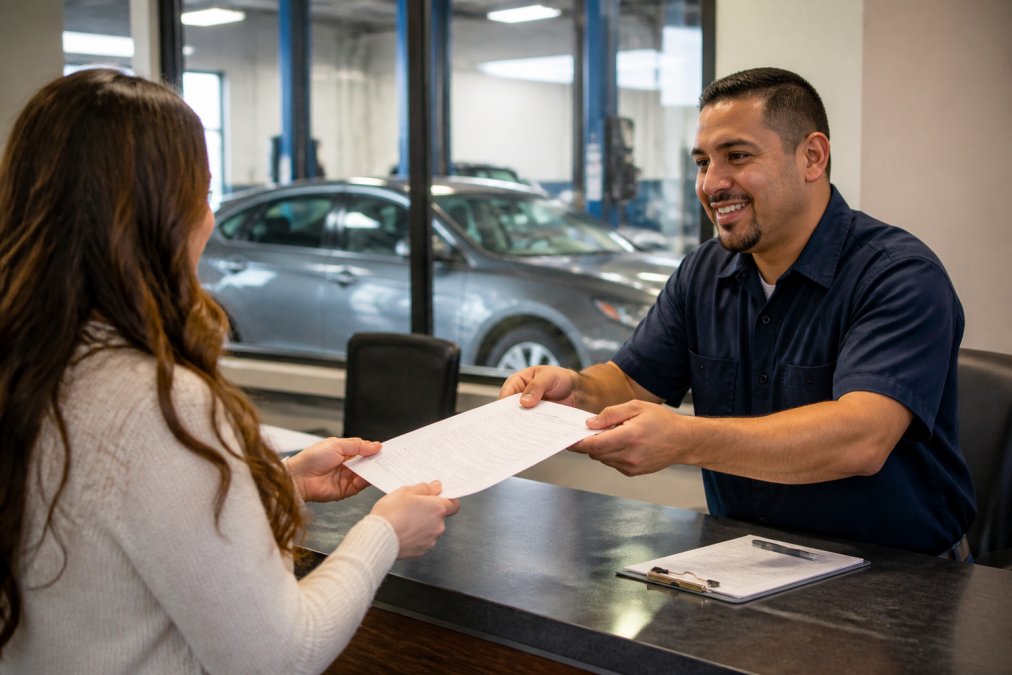
The terms of an auto body repair warranty should be documented before work begins, not promised verbally. Get the duration, coverage scope, exclusions, and claims process in a signed document.
A verbal guarantee is nearly worthless in a dispute. If the shop owner who promised you "lifetime coverage" sells the business, your handshake walks out the door with them.
Insist on these elements in writing:
- Duration in months or years, with a clear start date.
- Coverage scope: which repairs, which panels, which materials.
- Exclusions listed explicitly, not buried in fine print.
- Transferability terms if you plan to sell the vehicle.
- The claims process: who to contact, how to file, expected response time.
- Dispute resolution: what happens if the shop and you disagree.
That last point is where most agreements fall apart.
Transferability and Dispute Resolution
Warranty transferability determines whether your coverage follows the car to a new owner. Some shops allow it, some don't, and the difference affects your resale value.
If you sell a vehicle with an active repair guarantee, a buyer may see more value in it. But only if the guarantee is transferable and the paperwork is clean. Ask the shop to state transferability in writing, including any fee or notification requirement.
Dispute resolution is the other gap. When a repair fails and the shop won't honor it, you need a defined path: a re-inspection, a written response window, and an escalation route. Without it, you're relying on goodwill.
How Long for Collision Repair and What That Means for Your Warranty
How long for collision repair depends on damage severity, parts availability, and whether structural repairs are needed. Most cosmetic jobs take a few days; heavy structural work can stretch to weeks. Your warranty timeline should start when you pick up the vehicle, not when the shop ordered parts.
The duration of your guarantee and your repair are linked: a longer repair often means more complex work, and more complex work deserves a longer coverage window.
Here's how repair scope typically maps to warranty expectations:
| Repair Type | Typical Timeline | Warranty Focus |
|---|---|---|
| Minor dent and paint | A few days | Paint adhesion, color match |
| Panel replacement | About a week | Fitment, refinishing |
| Structural repair | Several weeks | Structural integrity, corrosion protection |
| Frame straightening | Extended timeline | Alignment, post-repair inspection |
The Collision Repair Insurance Claim Process and Your Guarantee
The collision repair insurance claim process involves your insurer, an adjuster, and the shop, and your guarantee should survive all three.
When you file a claim, your insurer authorizes a scope of work and payment amount, and the shop performs the repair. Your guarantee covers the shop's workmanship regardless of who paid the bill, some people assume an insurance-backed repair comes with no shop accountability, but it does.
A few things to watch:
- Authorized repair facility status can affect how smoothly the claim moves.
- Supplemental claims happen when hidden damage is found mid-repair; ask how the shop handles them.
- Claim paperwork should list the parts used, OEM or aftermarket, so your coverage is clear.
What Is Excluded from Body Shop Warranties
Body shop warranties exclude damage unrelated to the original repair, including new collisions, wear and tear, and environmental damage. But the exclusions that cost you money are the clauses that shift the cause of a failure away from the shop's work. Here is what typically gets excluded:
- New accidents or impact damage to a repaired area. The guarantee covers repair quality, not the panel's ability to survive a second hit, if a repaired quarter panel is struck again, the shop's obligation ends at the point of new impact.
- Pre-existing rust and corrosion. The most contested exclusion. If corrosion was present before the repair and the shop did not treat it, a later paint bubble is attributed to the pre-existing condition, not the refinish, corrosion spreads from inside the panel outward, so a bubble appearing six months later traces back to untreated substrate.
- Wear and tear. Stone chips, road debris, and normal abrasion are not workmanship failures. A guarantee that covered them would be an insurance policy, not a repair warranty.
- Environmental and chemical damage. Bird droppings, tree sap, industrial fallout, and harsh detergents can etch clear coat.
What a Shop Legally Cannot Disclaim
How to Read the Exclusion Section Before You Sign
Three questions cut through the fine print:
What to Do If a Repair Fails After the Warranty Period
Step 1: Build the Paper Trail
Before you call anyone, assemble the file:
Step 2: Make a Written Demand
Step 3: Escalate Through the Named Process
Step 4: Bring in a Third Party
Step 5: Know When the Warranty Period Has Actually Expired
Frequently Asked Questions
What does a lifetime warranty on auto body work actually cover?
A lifetime warranty typically covers workmanship defects like paint peeling, poor adhesion, or structural repairs that fail under normal use. It does not cover new damage, wear and tear, or mechanical issues unrelated to the repair. Always ask for the written guarantee so you know exactly which parts and labor are included.
Do all auto body shops offer a written guarantee?
No. Many shops offer verbal promises only, which are difficult to enforce. A reputable shop will provide a written guarantee that spells out coverage length, what is included, and how to file a claim. If a shop hesitates to put its guarantee in writing, that is a warning sign about its commitment to quality.
Does an auto body shop guarantee cover paint defects?
Most quality guarantees cover paint defects caused by poor workmanship, such as peeling, blistering, or fading within the warranty period. However, damage from rock chips, accidents, or environmental factors like tree sap is usually excluded. Check your warranty terms for specific paint coverage details and any maintenance requirements.
Are aftermarket parts covered under a shop's guarantee?
Coverage depends on the shop's policy. Some guarantees only cover OEM parts, while others extend to aftermarket parts with varying terms. If your repair uses aftermarket parts, ask whether the warranty covers those parts and for how long. A quality shop will clearly state parts coverage in the written guarantee.
Finding a shop that stands behind its work shouldn't feel like a gamble. At Rubio's Custom Repair inc, every repair is backed by our guarantee, built on over 30 years of experience, original parts for most repairs, and premium PPG products. We're family-owned, and we treat your car like it's our own. Schedule an appointment and get back on the road with confidence.