 How-to
How to Prevent Car Paint Oxidation: 7 Steps That Work
Last Updated: November 7, 2026
Quick Summary
To prevent car paint oxidation, park in shade or a garage whenever possible, since sunlight and UV exposure are the main drivers of clear-coat breakdown. Wash on a schedule suited to your parking situation, dry the car fully, and apply a wax, sealant or ceramic coating to shield the paint. Inspect horizontal panels monthly.
- Shade or a garage cuts UV exposure more than any product.
- Bird droppings and tree sap should be spot-cleaned immediately because they can etch within days.
- Apply sealant every four to six months for cars garaged and driven a few times a week.
- Ceramic coatings reduce reapplication and suit cars parked outdoors or in high-sun areas.
- Check the hood, roof and trunk first, since these horizontal surfaces take the most sun.
Table of Contents
- How sunlight and UV exposure break down clear coat
- Signs of Oxidation vs. Clear-Coat Failure and Fading
- How to Prevent Paint Fading and Oxidation Step by Step
- Safe Washing and Drying to Avoid Adding Damage
- Choosing the Best Product for Car Paint Oxidation Protection
- How to Remove Oxidation From Car Paint by Hand and Whether It Can Be Restored
- Booking Your Paint Assessment at Rubio's Custom Repair inc
- Frequently Asked Questions
Car paint oxidation is the slow chalking and dulling of your finish, and it is one of the most common ways a vehicle loses its shine. Oxidation is often only noticed after the damage has settled in.
Oxidation happens when the clear coat and paint pigments are exposed to oxygen, UV light, moisture and airborne grime over time. The clear coat is the protective top layer. Once it breaks down, the color underneath starts to look flat, hazy or faded.
Oxidation is the gradual breakdown of a car's paint surface caused by ultraviolet light, heat and environmental exposure.
How sunlight and UV exposure break down clear coat
Sunlight is the main driver. UV rays attack the chemical bonds in the clear coat, which causes it to thin and lose its gloss. Dark colors, including black, dark blue and deep red, can show this damage more visibly because they absorb more heat.
Heat speeds up the process. A car parked in direct sun for hours each day ages much faster than one kept in the shade.
How weather, contaminants and single-stage paint change the risk
Weather matters a lot. Humidity, salt air, acid rain and road grime all wear down the surface. Bird droppings, tree sap and industrial fallout can etch the finish if left sitting.
Single-stage paint has no separate clear coat, so it oxidizes more easily. Older vehicles with this type of paint need extra care.
Signs of Oxidation vs. Clear-Coat Failure and Fading
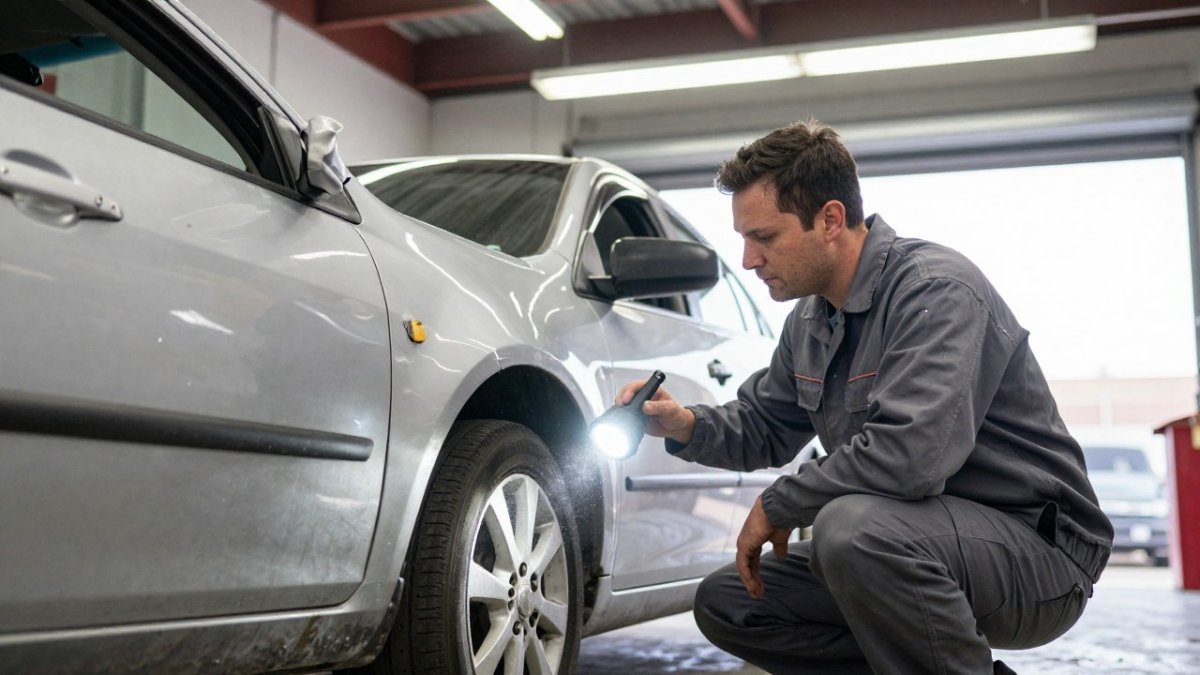
Knowing what you are looking at helps you pick the right fix. Early oxidation usually looks like a dull, chalky haze that wipes off partly with a towel. Clear-coat failure looks different. It often shows as peeling, flaking or cloudy patches that do not come off with polish.
Fading is a color problem more than a surface problem. The paint looks lighter across the panel, and the shine returns briefly after washing.
- Chalky residue on a towel: likely oxidation
- Flaking or peeling layers: likely clear-coat failure
- Even color loss across panels: likely fading
- Hazy patches on the hood and roof: common oxidation spots
Check the hood, roof and trunk first. These horizontal surfaces take the most sun.
How to Prevent Paint Fading and Oxidation Step by Step
Prevention works best when it is tied to a schedule rather than a mood. The routine below is built around how much sun the car sees, whether it sleeps indoors, and how often it is driven. Adjust the intervals to your conditions rather than treating them as fixed rules.
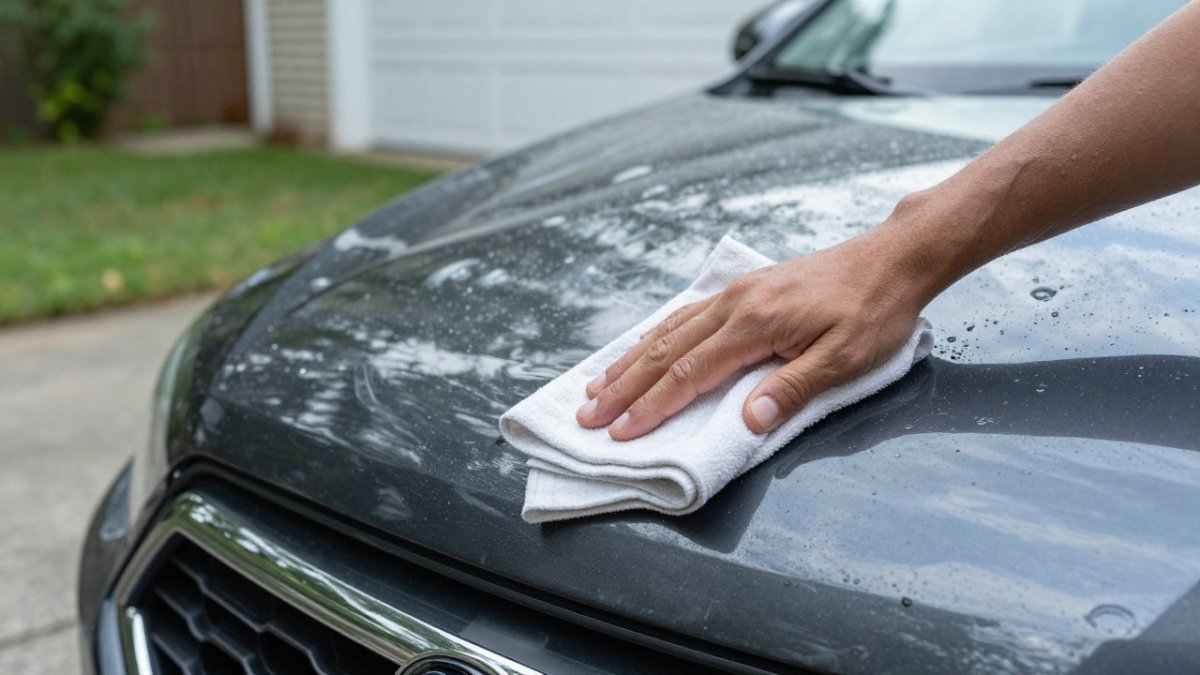
Build a prevention schedule around your parking situation
Garaged and driven a few times a week. Wash every three to four weeks, apply a sealant every four to six months, and inspect the horizontal panels monthly. This is the lowest-maintenance case because the clear coat is not taking daily UV load.
Garaged but driven daily. Wash every two weeks, sealant every three to four months, and a spray wax or spray sealant on the hood, roof, and trunk between full applications. Daily driving adds road film and bug residue even when the car is parked inside at night.
Parked outdoors in moderate sun. Wash every two weeks, sealant every two to three months, and use a cover or a sunshade for the windshield and rear glass during long stationary periods. Horizontal surfaces, hood, roof, trunk lid, oxidize first, so give them the freshest protection.
Parked outdoors in high sun, coastal salt air, or heavy industrial fallout. Wash weekly if practical, sealant every six to eight weeks, and consider a ceramic coating so the reapplication interval stretches. In salt-air or industrial areas, rinse the lower panels and glass more often than the rest of the car.
Seasonal checkpoints. In spring, do a full decontamination wash and a fresh sealant to remove winter road film. In late fall, apply your most durable protection before winter so the clear coat enters the cold months with a barrier in place.
The repeatable steps
- Park in shade or a garage when possible. Shade cuts UV exposure more than any product. If you have no garage, choose the side of a building or a tree canopy that blocks the afternoon sun rather than the morning sun.
- Wash on schedule for your parking situation. Remove grime, bird droppings, tree sap, and salt before they bond to the paint. Bird droppings and tree sap are acidic and can etch within days, so spot-clean them immediately rather than waiting for the next wash.
- Dry the car fully. Trapped water in seams and under trim speeds up surface wear and leaves mineral spots.
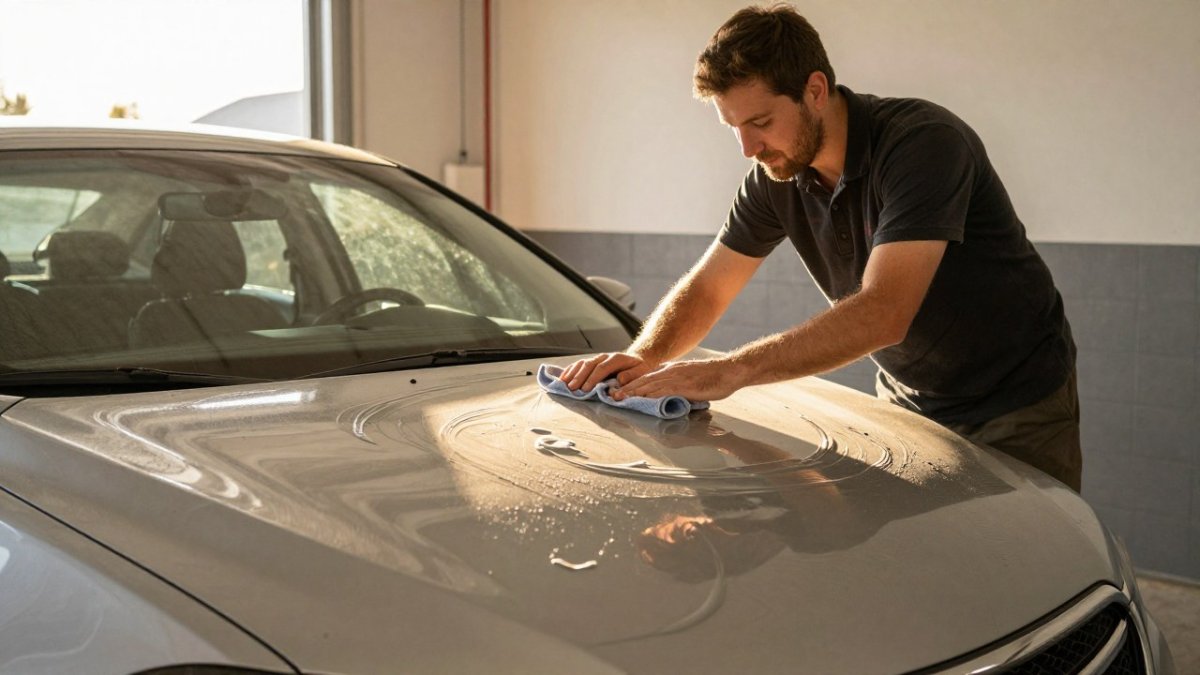
- Apply a wax or paint sealant on the interval above. This adds a sacrificial layer that takes the UV hit instead of the clear coat.
- Step up to a ceramic coating if the car lives outdoors. It lasts longer than wax and needs less frequent upkeep, which matters most when you cannot park in shade.
- Use a car cover for long-term outdoor parking. A cover blocks sun, dust, and debris, but only use one on a clean car, grit trapped under a cover acts like sandpaper in the wind.
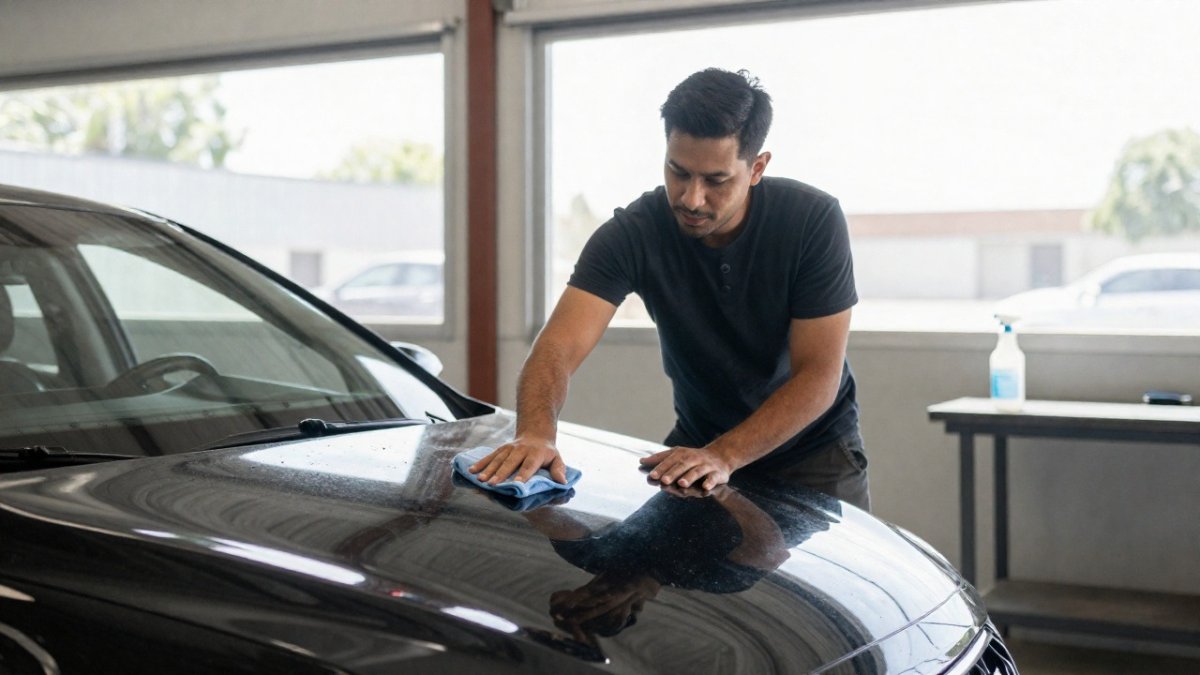
- Inspect the paint monthly. Catch hazy spots early, before they spread. Run a clean microfiber towel across the hood; chalky residue on the towel is an early oxidation signal.
Watch out: applying wax to a hot panel makes it bake on unevenly and leaves streaks. Work in the shade and on a cool surface, and never wax a panel that is warm to the touch.
Safe Washing and Drying to Avoid Adding Damage
A poor wash can cause more harm than the sun does. Automatic brush washes leave swirl marks that make oxidation look worse.
Use two buckets, one for soapy water and one for rinsing your mitt. Wash from the top down and dry with a clean microfiber towel rather than rubbing in circles. Choose pH-neutral car soap, since harsh detergents strip protective wax.
Choosing the Best Product for Car Paint Oxidation Protection
Most guides list the options without telling you how to choose between them. The framework below compares the main protection types by durability, upkeep, and typical cost so you can match a product to how you actually use and park the car.
Compare the options on durability, maintenance, and cost
Carnauba wax. Upkeep is frequent reapplication, and it is one of the easier products to apply by hand.
Synthetic paint sealant. Durability is typically three to six months. Upkeep is a reapplication a few times a year, and application is similar to wax with a longer cure. Cost is moderate, consumer bottles are usually $20-$50, and a professional sealant service commonly runs $100-$250. Best for daily drivers that need a longer interval than wax provides.
Ceramic coating. Upkeep is a maintenance wash and occasional inspection rather than reapplication.
Paint protection film (PPF). Upkeep is washing and inspecting edges. Pricing is typically quoted per panel or per package, so check current pricing with Rubio's Custom Repair inc.
Car cover. Durability depends on fabric and sun exposure. Upkeep is keeping the car and cover clean. Pricing varies, so check current pricing with Rubio's Custom Repair inc.
Match the product to your situation
- Garaged, weekend car: wax or sealant is enough; spend the savings on a proper wash setup.
- Daily driver, covered parking at home and work: a quality sealant refreshed every few months is the practical sweet spot.
- Parked outdoors every day: a ceramic coating pays back in fewer reapplications and better UV resistance.
- High-sun, coastal, or industrial area: ceramic coating plus PPF on the front end covers both UV and impact damage.
- Long-term storage outdoors: a coating plus a quality cover, applied only on a clean car.
Watch out: a coating applied over oxidized or contaminated paint locks in the dullness and can fail early. Prep, decontamination wash and, if needed, a light polish, matters more than the product tier you buy.
Pricing varies by region, vehicle size, and prep required, so confirm current pricing with Rubio's Custom Repair inc on its website or request a quote before committing. Our recommendation for most owners is a quality sealant refreshed every few months, paired with regular washing.
The table below compares the main protection options on durability, upkeep and cost as the article describes them.
| Option | Durability and upkeep | Best for |
|---|---|---|
| Carnauba wax | Frequent reapplication | Garaged cars, monthly hands-on care |
| Synthetic paint sealant | Three to six months | Daily drivers needing longer intervals |
| Ceramic coating | Maintenance wash, no reapplication | Cars parked outdoors, high-sun areas |
| Paint protection film | Washing and inspecting edges | Front bumper, hood leading edge, mirrors |
| Car cover | Keep car and cover clean | Long stationary outdoor parking |
How to Remove Oxidation From Car Paint by Hand and Whether It Can Be Restored
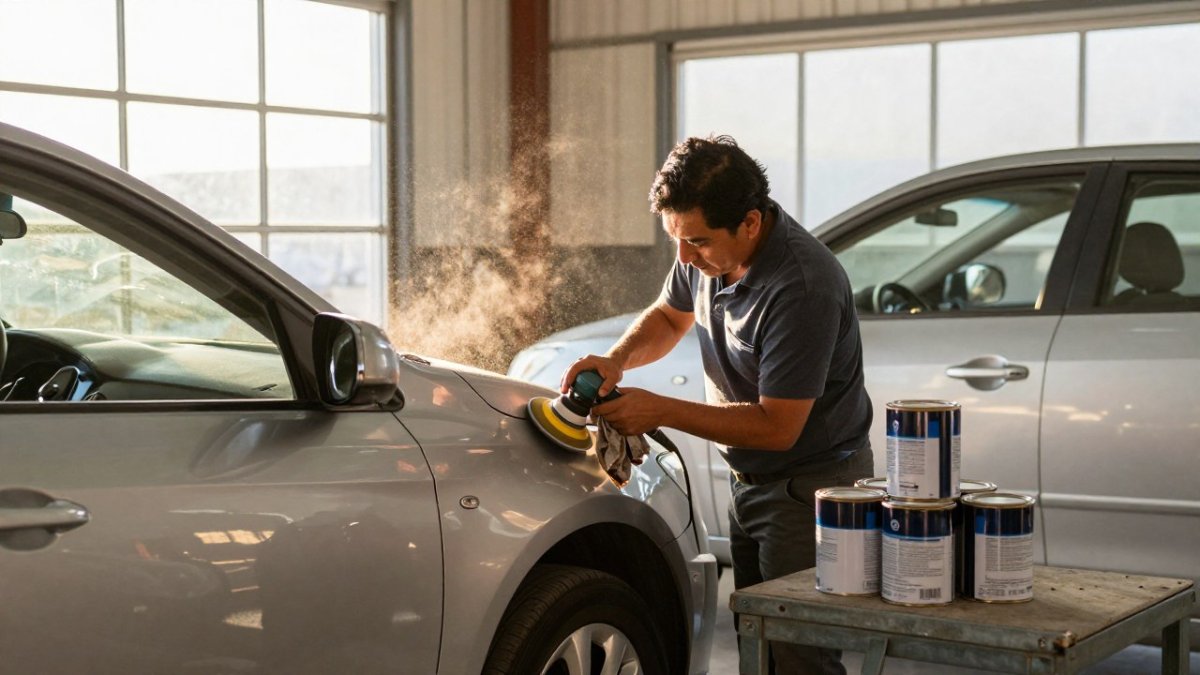
Light oxidation can often be removed by hand. Use a fine cutting polish on a foam pad, work in small sections and wipe away residue before it dries. Follow with a protective wax or sealant.
Severe oxidation is different. If the clear coat has failed or the color has faded deep into the paint, polishing alone will not restore it, and aggressive compounding can burn through the finish. At that point, a professional paint assessment is the safer choice. A professional paint assessment can help determine whether your paint can be restored or needs refinishing.
Booking Your Paint Assessment at Rubio's Custom Repair inc
If your finish is dull, hazy or peeling, a professional look now can save the paint and your budget later. Rubio's Custom Repair inc is a family-owned shop with over 30 years of experience in collision repair and paint, using original parts and premium PPG products. book a paint assessment to find out what your vehicle needs and whether a restoration or protection plan makes sense.
Frequently Asked Questions
How do I stop my car paint from oxidizing?
Stop oxidation by reducing its causes: wash the car regularly with a pH-neutral soap, dry it with a clean microfiber towel, and apply a wax or paint sealant that protects the clear coat from UV exposure. Park in shade or a garage when possible, and cover the car if it sits outdoors for long periods. Check the paint every few weeks, especially the hood, roof and trunk, which take the most sun. If oxidation has already started, prevention will slow it but will not reverse existing damage.
Does parking in the shade help prevent paint oxidation?
Yes. Shade reduces direct UV exposure and heat on the paint, which are two of the main drivers of oxidation. Parking under a tree or carport helps, though shade is not perfect because reflected light and heat still reach the paint. Pairing shade parking with regular waxing or a sealant gives the best protection, particularly if you live in a hot, sunny area or cannot use a garage.
How often should I wax my car to prevent oxidation?
Protective wax durability varies by product and conditions, so reapply based on how the paint looks and how water beads on it. Carnauba-based waxes often need more frequent reapplication than synthetic sealants, which can last several months. Cars parked outdoors in strong sun may need more frequent application. Test the paint by checking whether water still beads on the surface. When water stops beading tightly, the protective layer is likely worn and it is time to reapply.
Can oxidized car paint be restored?
Light oxidation can often be improved with cleaning, polishing and compounding, which remove the damaged top layer of paint. Heavy oxidation, especially on single-stage paint or where the clear coat has failed, may not be fully reversible through DIY methods. In those cases the damage can be reduced but not eliminated. A professional paint assessment can tell you whether the paint can be corrected or whether repainting is needed. For current pricing or a quote, contact Rubio's Custom Repair inc.