 How-to
Can a Car With Frame Damage Be Insured?
Table of Contents
- Does Frame Damage Automatically Make a Car Uninsurable?
- How Insurers Decide Whether to Total a Vehicle
- Does Frame Damage Total a Car?
- Car Frame Damage Inspection: What to Expect
- Will Insurance Fix a Car With Frame Damage?
- Insuring a Car With Previous Frame Damage
- Getting Your Damaged Car Insured and Repaired Next Steps
- Frequently Asked Questions
Last Updated: November 13, 2026
Does Frame Damage Automatically Make a Car Uninsurable?
Frame damage does not automatically make a car uninsurable, nor does it automatically make a car a total loss. The answer depends on whether the car can be repaired safely and whether the repair cost makes sense compared with the car's pre-crash value.
Insurers generally weigh repairability and repair costs against the vehicle's value. The real question is not "Is there frame damage?" but "Is it worth fixing?"
A car with frame damage can often still be insured, especially if repaired properly. Trouble starts when the insurer declares a total loss, or when the owner wants coverage for damage that already exists.
How Insurers Decide Whether to Total a Vehicle
Insurers usually total a vehicle when the repair cost exceeds the car's value. They look at the estimate, the pre-accident value, and whether the damage can be fixed to a safe standard.
Repair Cost Compared With Pre-Accident Value
The insurer compares the repair estimate with the car's actual cash value just before the accident. If repairs cost more than that value, the car is usually totaled.
Many owners are surprised when a fixable frame still gets totaled, usually because the car is older, market value is low, and frame work pushes the estimate past that value.
State Total-Loss Thresholds and Salvage Titles
A totaled car usually gets a salvage title, meaning it cannot be driven on public roads until repaired and inspected.
A rebuilt title can lower resale value, and some insurers are cautious about covering it. Check your state's rules and ask your insurer how a salvage or rebuilt title affects your policy.
Does Frame Damage Total a Car?
Frame damage does not total a car on its own. Insurers weigh the full repair cost against the car's value, and frame work is only one part of that math.
That said, frame damage often pushes repair costs up quickly, so a car worth a modest amount before the crash may end up totaled once the frame estimate comes in.
For a clearer answer, ask the repair facility for a written estimate that breaks out the frame work, so you and your insurer can see exactly where the cost comes from.
Car Frame Damage Inspection: What to Expect
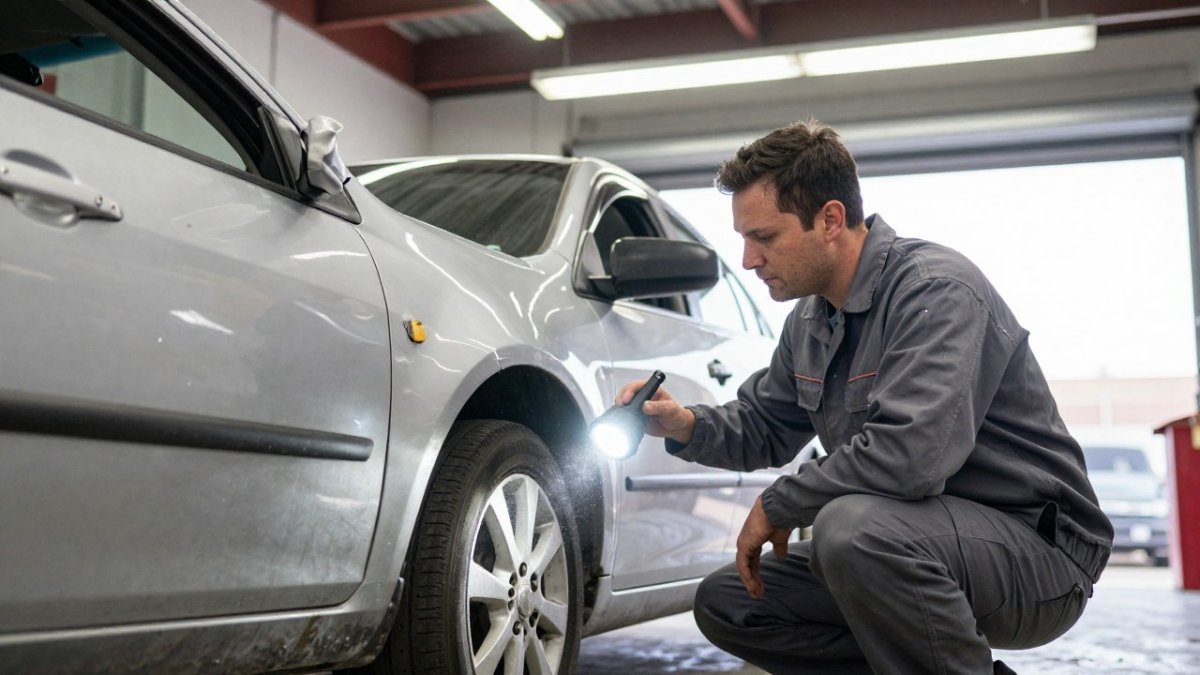
A frame inspection checks whether the car's structure is still straight and safe.

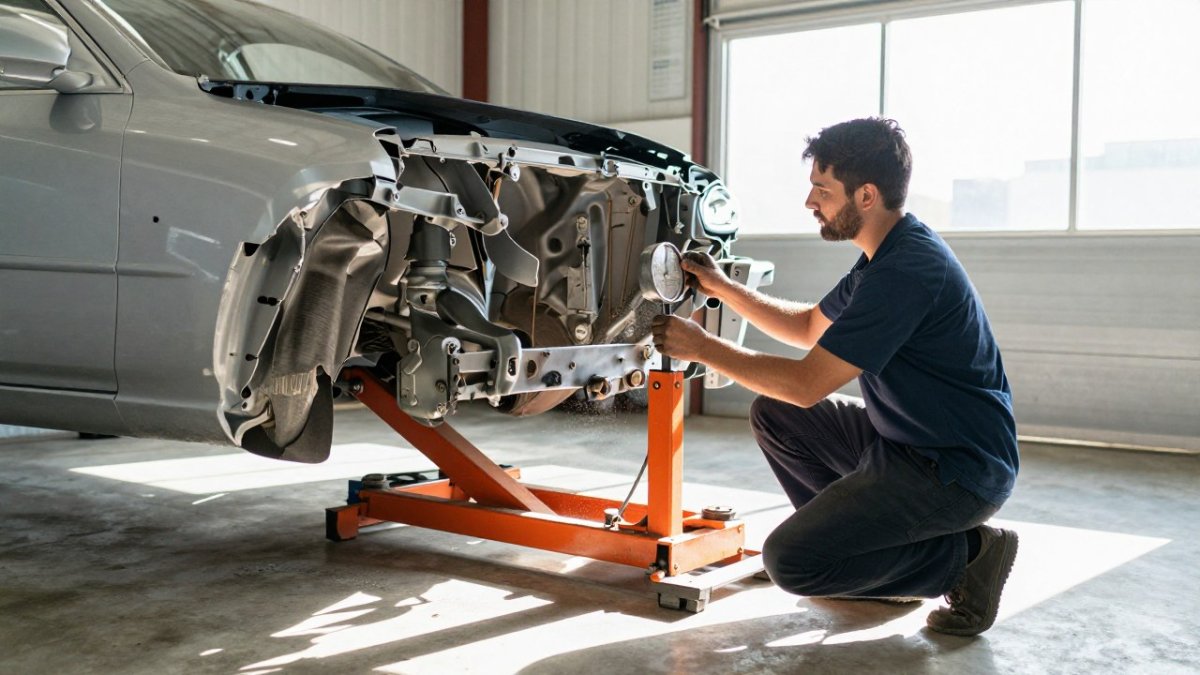
The inspection covers frame rails, crumple zones, and mounting points, parts that protect passengers in a crash, so even small misalignment matters.
If you are dealing with a claim, ask for a written inspection report. It helps you understand the damage and gives you something to compare if you disagree with the insurer's estimate.
Some owners also get an independent inspection, a second opinion can catch missed damage or challenge an insurer's decision to total the car.
The article breaks down what a frame inspection involves and what the owner should request.
| Inspection element | What it checks | Why it matters |
|---|---|---|
| Frame rails | Structure straightness vs. factory specs | Pinpoints exact damage before repair |
| Crumple zones | Crash-absorbing sections | Protects passengers; small misalignment matters |
| Mounting points | Attachment positions | Frame problems often show here |
| Door, hood, trunk alignment | Panel fit | Can reveal hidden frame damage |
| Written inspection report | Documented findings | Useful for disputing an insurer's estimate |
Will Insurance Fix a Car With Frame Damage?
Insurance may pay to fix a car with frame damage, depending on which coverage you carry, whether the damage is new or pre-existing, and whether the repair makes financial sense.
Which Coverage Pays for What
Liability coverage pays for damage you cause to others and their property.
Collision coverage pays to repair your car after a crash, regardless of fault, minus your deductible, the coverage most likely to pay for frame work.
Comprehensive coverage pays for non-collision damage, theft, vandalism, weather, fire, or hitting an animal. A frame can be bent by a pothole, curb strike, or flooding, and comprehensive responds in those cases.
Uninsured/underinsured motorist coverage can matter if a hit-and-run or uninsured driver caused the frame damage. It typically responds similarly to liability coverage, but rules vary by policy form.
The Pre-Existing Damage Exclusion
This mechanism decides most disputes. Personal auto policies may exclude damage that existed before the policy period began. Check your own policy's language on pre-existing damage.
What the policy does cover is new damage. If a later crash bends the frame further or damages a different section, the insurer should cover it, but the adjuster will try to separate old from new. That is why the disclosure file matters: it establishes the baseline.
Watch out: if you cannot show what the frame looked like before the new loss, the adjuster may attribute part of the repair to pre-existing damage and reduce the payout.
Repair Versus Total: How the Payout Works
If collision coverage applies and the car is repairable at a reasonable cost, the insurer pays for the frame work, minus your deductible. If the estimate exceeds the car's actual cash value, or crosses your state's total-loss threshold, the insurer totals the car and pays actual cash value minus the deductible.
If you carry a loan or lease, the lender is paid first and you receive the remainder. If the payout is less than the loan balance, gap coverage, if you bought it, covers the difference.
Challenging the Decision
You are not required to accept the first number. If the repair estimate looks low, ask the shop for a supplemental estimate and send it to the adjuster. If the valuation looks low, request the comparables and check they match your car's trim, mileage, and condition.
Most policies include an appraisal clause: you and the insurer each hire an independent appraiser, who pick a third if they disagree.
You can also hire an independent structural inspection before the repair decision is final. A written measurement report showing the frame is out of spec, or back in spec after repair, carries weight with an adjuster working from photos.
A Practical Checklist
- Confirm you have collision or comprehensive coverage that applies to this loss
- Ask the insurer to explain the total-loss calculation in writing
- Request the repair estimate and the valuation report with comparables
- Get a supplemental estimate if the first one missed frame work
- Check your policy for the appraisal clause and the pre-existing damage exclusion
- Keep every document, including photos and correspondence, in one file
Insuring a Car With Previous Frame Damage
This is the part most articles skip. The keyword asks whether a car with frame damage can be insured, not just whether an insurer will total it after a crash. Those are different questions, and the second is where owners actually get stuck.
A car with existing frame damage can usually still be insured. What changes is how the policy is written, what the insurer knows about the damage, and what it will and will not pay for later. Insurers underwrite risk at application, and a known structural repair is a risk factor they price in.
What Underwriters Actually Look At
When you apply for a new policy or switch carriers, the insurer runs the VIN, pulling a vehicle history report that can show a salvage or rebuilt title brand, a prior total-loss record, and sometimes collision repair entries.
The insurer may happily write liability coverage, because liability protects other people and does not depend on your car's condition. Physical damage coverage is where scrutiny lands, because that is what would pay to repair the frame again.
Some carriers require a pre-insurance inspection, photos of all four corners, the VIN plate, the odometer, and sometimes the frame rails. A few will ask for a structural inspection report from a body shop before binding collision coverage. Expect the process to take longer than a clean-title quote.
Disclosure: What to Say and When
Be direct about prior frame damage when you apply. Tell the agent or online application what you know: the date of the repair, what was damaged, who fixed it, and whether the title is branded.
Watch out: if you leave prior frame damage off an application and the insurer discovers it during a later claim, the company may rescind the policy or deny the claim on the grounds that the application was inaccurate, even if the new damage is unrelated.
That file does two things. It proves you were honest at application, and it gives the adjuster a baseline so a future claim is not blamed on old damage.
How Prior Frame Damage Affects Premiums and Future Claims
A rebuilt title or documented structural repair typically means a higher premium for physical damage coverage, and some carriers apply a surcharge or exclude prior damage outright.
That means the frame damage you disclosed is generally not covered, but new, unrelated damage still is. The practical consequence is that you need to be able to separate old damage from new damage.
Resale value takes a hit too. A car with a documented, properly repaired frame sells for less than a clean-history car, and a rebuilt title can cut value substantially. Buyers and dealers treat structural repairs as a permanent discount.
Shopping the Policy
Different carriers weigh prior structural damage differently. Some specialty and non-standard insurers write policies on rebuilt-title vehicles that mainstream carriers decline. A few quotes from carriers that explicitly handle branded titles will show you the range faster than calling one agent.
Ask each carrier three questions before you bind: Will you write collision and comprehensive on this VIN? Do you require an inspection, and who pays for it? Does the policy exclude damage that existed before the start date, and how is that defined? The answers tell you more than the quoted premium.
Getting Your Damaged Car Insured and Repaired Next Steps
If your car has frame damage, start by getting a written estimate from a repair facility, with the frame work listed separately so you can see the full cost.
Next, file your claim and ask your insurer to explain its total-loss calculation. Compare the repair estimate with the valuation report. If the numbers look wrong, ask for a second inspection.
Keep every document: the police report, photos of the damage, repair estimates, inspection reports, and all correspondence with your insurer.
Finally, choose a repair facility that works with your insurer and has experience with frame work.
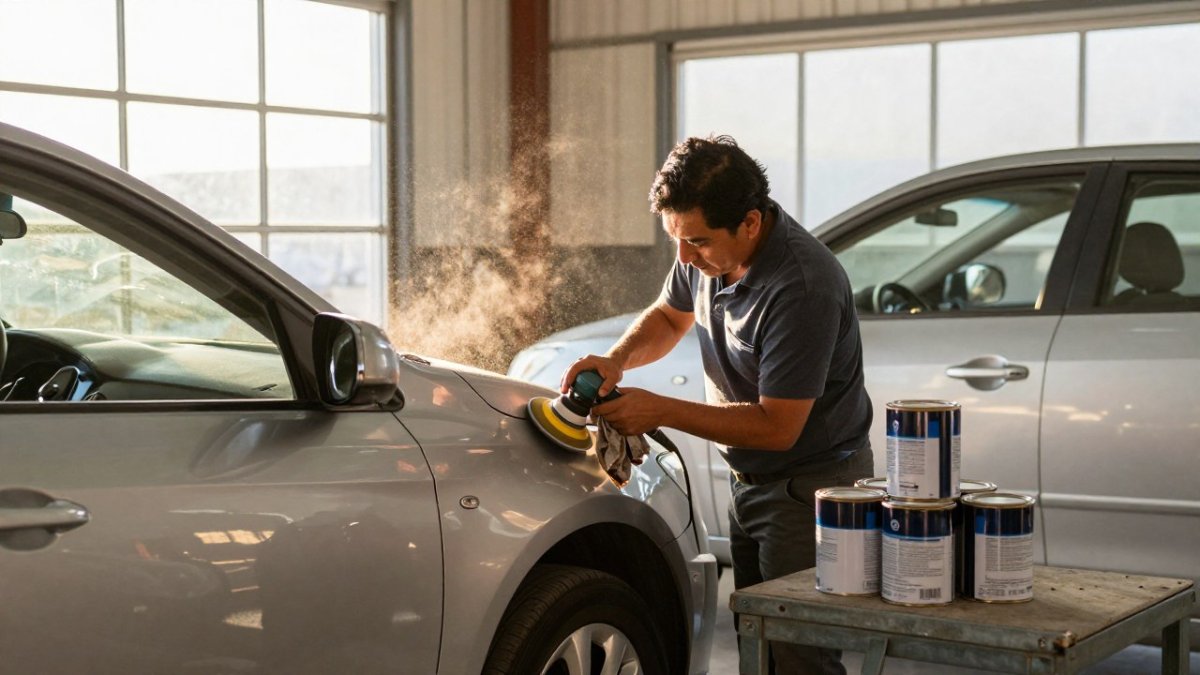
Rubio's Custom Repair inc works on collision repair and paint for vehicles in Manteca and nearby areas, with over 30 years in the business. If you are weighing a frame repair, book a drain inspection is not the right service here, but you can read more about how structural damage affects resale value in our guide on how structural damage lowers your car's resale value.
Frequently Asked Questions
Will insurance fix a car with frame damage?
Insurance can pay to repair frame damage when the vehicle is covered and the insurer determines the repair is economically sensible. Collision coverage typically pays for repairs after an accident minus your deductible, while liability coverage only pays for damage you cause to other people's property and does not fix your own car. Insurers usually compare the expected repair cost with the vehicle's pre-accident actual cash value before deciding. If the repair is approved, a certified repair facility should document the structural work and confirm measurements against manufacturer specifications.
Does frame damage total a car?
Frame damage does not automatically total a car. Insurers often declare a vehicle a total loss when frame-repair costs exceed its value, but repairability is assessed case by case. Insurers weigh estimated repair costs, the vehicle's market value, and state total-loss rules. A car with extensive frame damage that costs more to repair than it is worth is more likely to be totaled, while moderate damage on a valuable vehicle is often repaired.
What should I tell an insurer about a car with frame damage?
Disclose any known prior frame damage when you apply for coverage or switch policies, along with repair records, photos, and any salvage or rebuilt title history. Failing to disclose known damage can lead to claim denials or policy cancellation. Ask your insurer how it handles pre-existing damage and whether it will require an independent inspection before writing or adding coverage. Keeping documentation organized speeds up both underwriting and any future claim.
Can a car with previous frame damage be insured?
Many insurers will write coverage on a car with previous frame damage, though some may decline it or charge higher premiums, depending on the severity of the damage and the repair quality. Liability coverage is commonly available even when collision coverage is limited. Shopping several carriers and providing a professional inspection report can help you find an insurer willing to offer full coverage. Confirm in writing whether pre-existing damage is excluded from collision claims.